Too Long; Didn’t Read
One dress will never flatter six different bodies, and that is the whole secret. These 22 bridesmaid dresses cover the cuts, necklines, fabrics, and colors that actually work across a mixed bridal party: A-line and wrap cuts that suit nearly everyone, necklines that fix bust and shoulder worries, chiffon and satin that photograph completely differently, and three ways to mix dresses without the group looking random. Pick one thing the group shares, a color, a fabric, or a color family, and let each bridesmaid choose the shape that suits her. Order early, budget for alterations, and let comfort lead, because a bridesmaid who feels good in her dress shows it in every photo. This guide works all year, and it does its best work in spring wedding season, when bridesmaid dresses searches climb to their peak.
What's Inside This Guide
ToggleThe Fitting Room Meltdown That Changed How I Shop for Bridesmaids
My friend Sara was the maid of honor at her sister’s wedding, and she called me from a bridal shop parking lot in tears. The bride had picked one dress for all six bridesmaids. It was strapless, fitted, and pale sage. Sara is tall with broad shoulders. Her cousin is five foot two. Another bridesmaid was six months out from having a baby and still figuring out her body. The dress looked lovely on the model in the shop window. On the six of them, it looked like six different problems.
The bride was not being difficult. She just wanted the photos to look neat. She had seen a picture online of six matching dresses and thought that was the rule. Nobody had told her the rule had changed years ago, or that the prettiest bridal parties in photos are rarely wearing the same dress at all.
We went back the next weekend with a different plan. Same dusty sage color, but each bridesmaid picked her own shape. Sara took a one-shoulder A-line. Her cousin took a midi wrap with a raised waist. The new mom took an empire waist chiffon with sleeves. On the wedding day, they looked like a group, not like six copies. And for the first time all month, nobody spent the reception tugging at a strap.
That is what this list is for. Twenty-two bridesmaid dresses and styling ideas, each one chosen for a real body worry: broad shoulders, a fuller bust, a petite frame, a curvy figure, arms someone wants covered, a budget that has to stretch. You do not need all 22. You need one shared color or fabric, two or three shapes, and the confidence to let each bridesmaid pick the one that fits her.
What’s Inside This Guide
- The 3 Things That Make a Bridesmaid Dress Work
- The 22 Ideas, Grouped by Decision
- The 1-2-3 Lineup Method: One Shared Thing, Two Shapes, Three Fittings
- At a Glance: Every Idea, Its Best Body, and Its Best Moment
- Do This, Not That
- Your Bridesmaid Dress Plan
- Take It Further
- Lineup Cheat Sheet
- Questions People Ask
The 3 Things That Make a Bridesmaid Dress Work
Before you pick a single dress, get these three things right and the lineup will work, even if the dresses are not identical.
Hold one thing constant
A mixed lineup only looks intentional when the group shares something. One color in different cuts is the safest version. One fabric in different colors is the softer version. One color family in several shades is the boldest. Pick your constant first, then let everything else vary. The constant is what makes six different dresses read as one party in photos.
Fit beats the cut, every time
A simple A-line that has been altered properly photographs better than an expensive gown that gaps at the bust or drags on the floor. Hemming for the exact shoe height, taking in the bodice, and adjusting straps make more difference than the style name on the label. Budget for alterations from the start and book the whole party at once, not one by one.
Comfort shows in photos
If a bridesmaid is uncomfortable, it shows in every group photograph. She will stand stiff, she will tug at the dress, and she will avoid the dance floor. A dress she can sit in, eat in, and dance in is not a compromise. It is the whole point. When a bridesmaid feels good, she looks good, and the photos prove it.
Neuman’s Note: The best bridal party I ever saw was not wearing matching dresses. They were wearing the same dusty blue in five different shapes, and every single one of them was laughing in the photos. Matching dresses give you a neat picture. Comfortable bridesmaids give you a happy one. Pick the happy one.
The 22 Ideas
These are grouped by the decision you are actually making, because that is how you shop. Start with the cut, then the neckline, then the fabric, then the color plan, then the practical details. Work through one group at a time, and stop when the lineup feels settled. It will feel settled sooner than you think.
The Universal Cuts
These five cuts are the workhorses. If you only shop from this group, you can dress almost any bridal party, because each one solves a different fit problem without asking anyone to squeeze into a shape that was never meant for her.
1. The A-Line That Suits Nearly Everyone
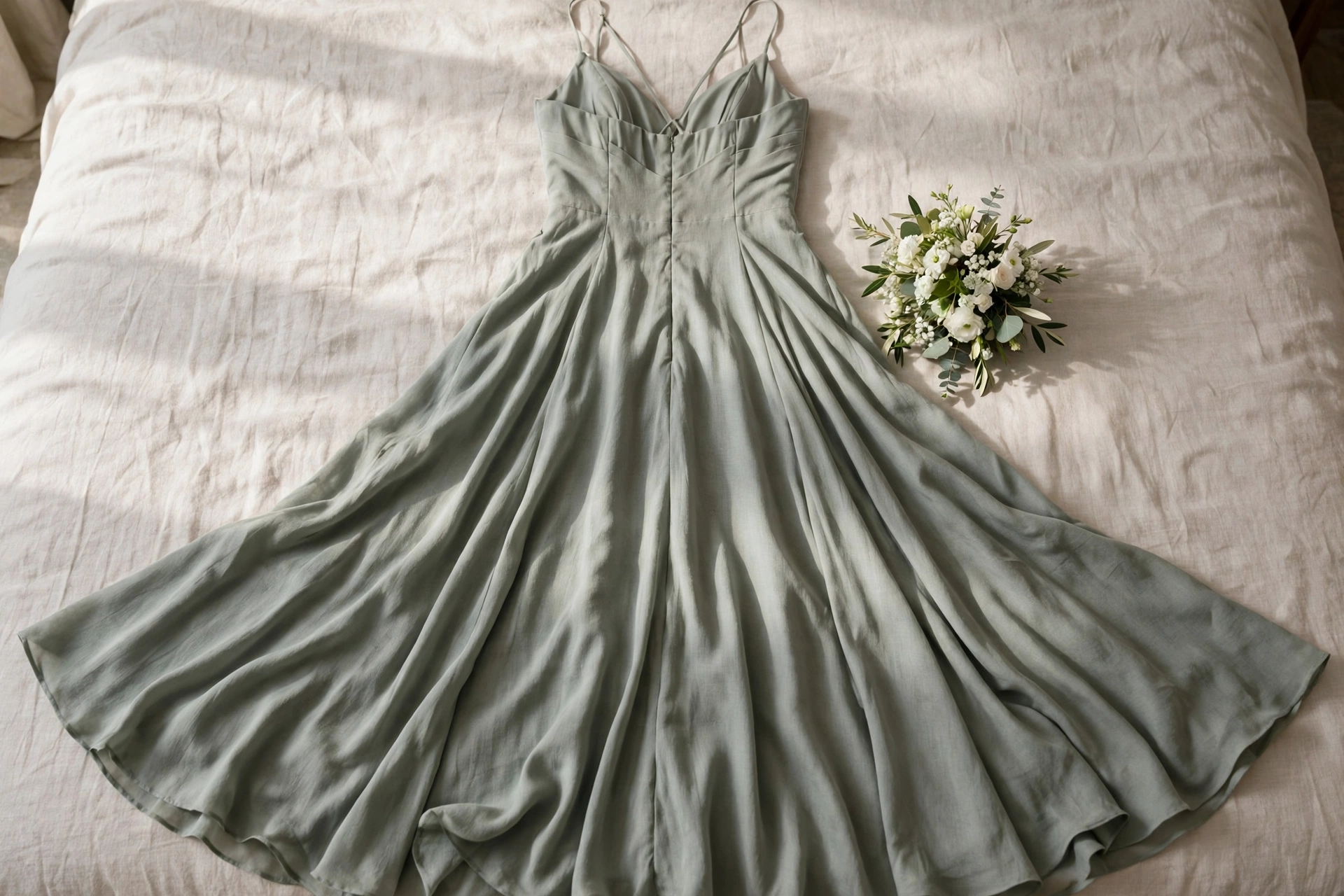
Start here. An A-line bridesmaid dress is fitted at the bodice and flows out gently from the waist, so it defines the waist and skims everything below it. It works on tall and petite frames, on straight and curvy figures, and it is the cut most bridesmaids already know they like. If your group cannot agree on anything else, agree on this shape and let the neckline and color do the rest.
Best for: Every body type, and especially a mixed group that needs one safe shape.
Why it works: The skirt falls away from the body instead of clinging to it, so nobody has to worry about how it sits when she sits down. A-line bridesmaid dresses are the closest thing to a universal cut, and they photograph cleanly from every angle.
You may also like: 22 Low Back Wedding Dress Ideas That Feel Truly Beautiful
2. The Wrap Dress That Adjusts to Every Bust
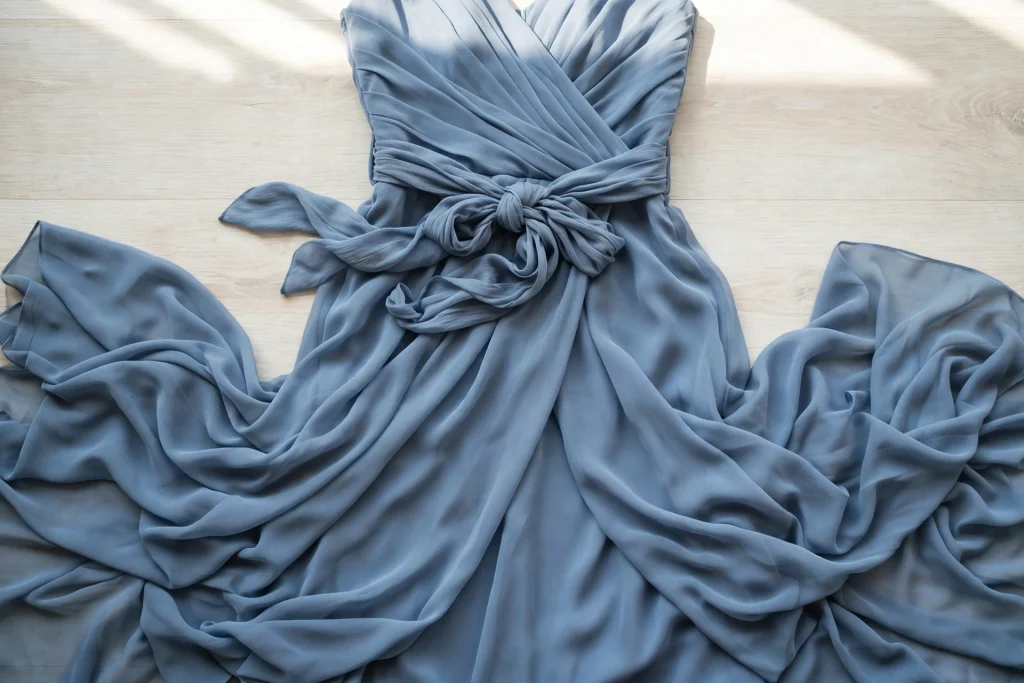
A wrap bridesmaid dress ties at the waist, so it adjusts to different bust sizes instead of forcing everyone into the same fixed bodice. The tie creates shape where you want it, the V shape at the front lengthens the neck, and the skirt moves when she walks. It is the most forgiving cut on this list, and it is the one to pick when your bridesmaids range from a small bust to a full one.
Best for: Mixed bust sizes, hourglass and curvy figures, and anyone who wants a waist that is defined but not tight.
Why it works: The wrap tie cinches differently on everyone, and that is fine. It is not a flaw in the design. It is the design. A wrap dress in chiffon is light enough for a summer wedding and structured enough to look formal in photos.
3. The Empire Waist That Lengthens Everything
An empire waist bridesmaid dress has its waistline sitting just under the bust, which makes legs look longer and softens the middle. It is the kindest cut for apple shapes and for anyone who does not want a waistband sitting at her natural waist. It also works beautifully for pregnant bridesmaids and for anyone who wants to eat, sit, and dance without thinking about her dress. Best for: Apple shapes, petite frames, pregnant bridesmaids, and anyone who wants comfort first. Why it works: The high waistline draws the eye up and lets the fabric fall straight from the bust. There is nothing to pull, nothing to suck in, and nothing that digs in after an hour of sitting. In chiffon, an empire waist dress floats, and in photos it looks effortless.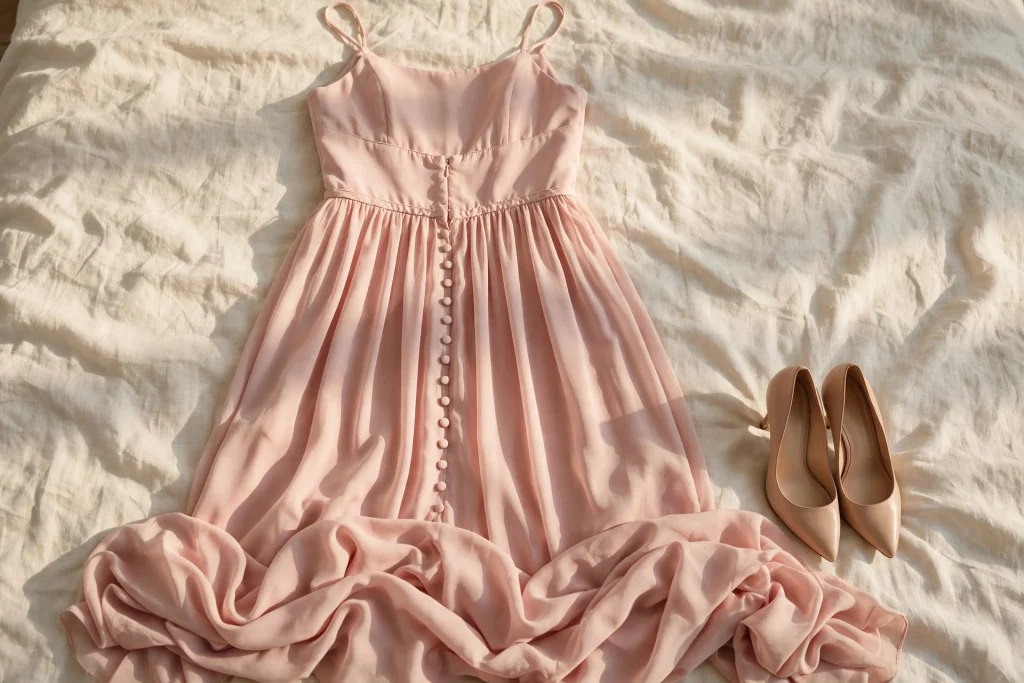
You may also like: 22 Low Back Wedding Dress Ideas That Feel Truly Beautiful
4. The Convertible Dress Everyone Ties Differently
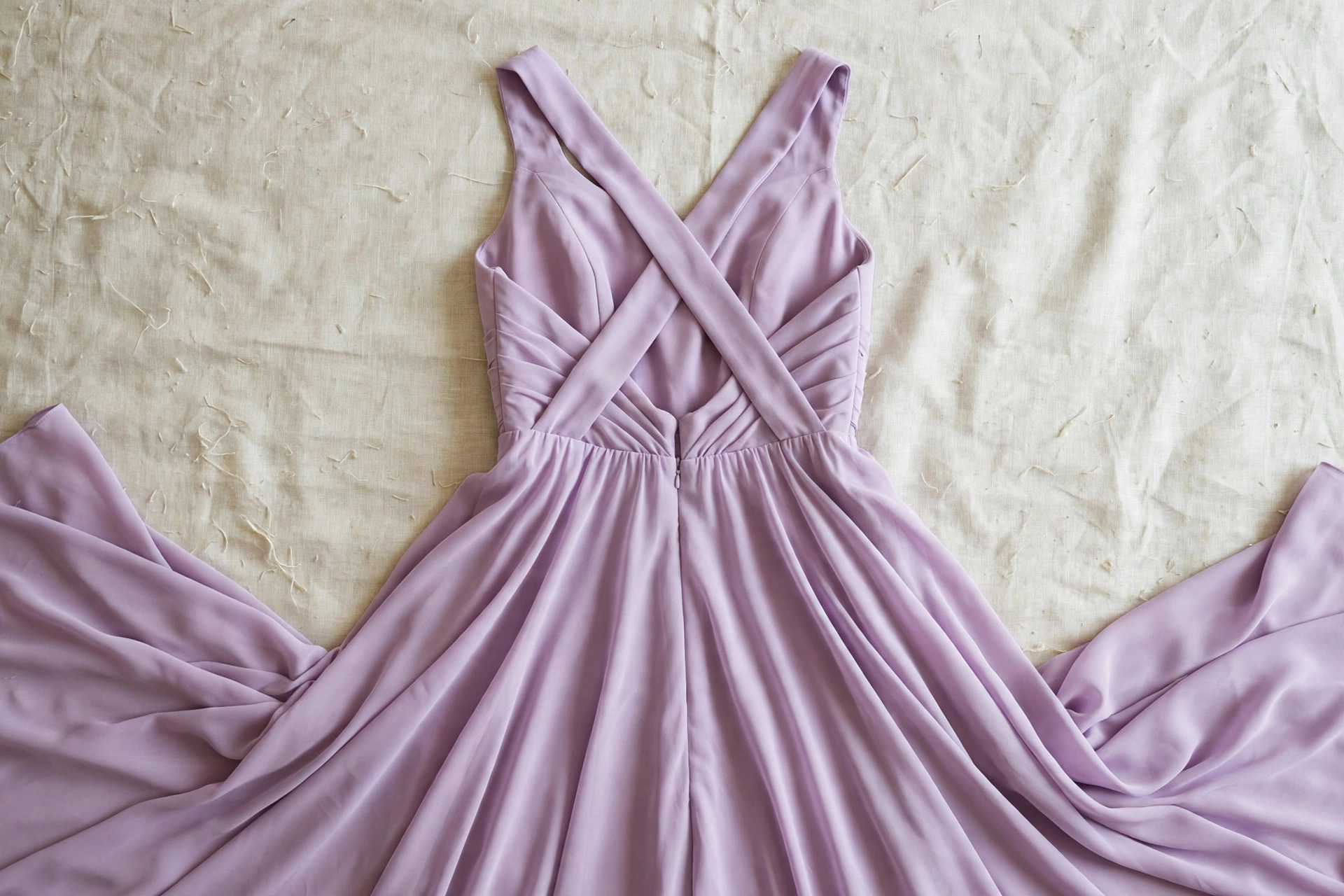
One dress, five necklines. A convertible multiway bridesmaid dress is a long skirt with straps you can wrap into a halter, a one-shoulder, a V-neck, or a cross-back. Everyone buys the same dress and ties it differently, which solves the matching question and the flattering question at the same time. It is the smartest buy for a group that cannot agree, because each bridesmaid gets the neckline she likes best.
Best for: Groups with very different tastes, destination weddings, and bridesmaids who want to restyle the dress later.
Why it works: The shared skirt keeps the group looking like one party, while the straps let each person fix her own worry, coverage, bust support, or shoulder shape. Convertible bridesmaid dresses also get worn again more than most, because the same dress becomes a different dress with a different tie.
5. The Fit-and-Flare That Celebrates Curves
A fit-and-flare bridesmaid dress hugs the bodice and waist, then flares out from the hip, so it follows the body’s natural shape without adding bulk. It is the best pick for hourglass and curvy figures, because it shows the waist instead of hiding it. The flare gives the skirt movement for the dance floor, and the fitted top keeps the whole look polished in photos. Best for: Hourglass and curvy figures, and anyone who wants her waist to show. Why it works: The flare starts at the hip, not the waist, so the dress skims the part most people feel shy about and flares where movement helps. In a matte fabric like crepe, a fit-and-flare dress looks smooth and expensive. In satin, it looks like a red carpet moment.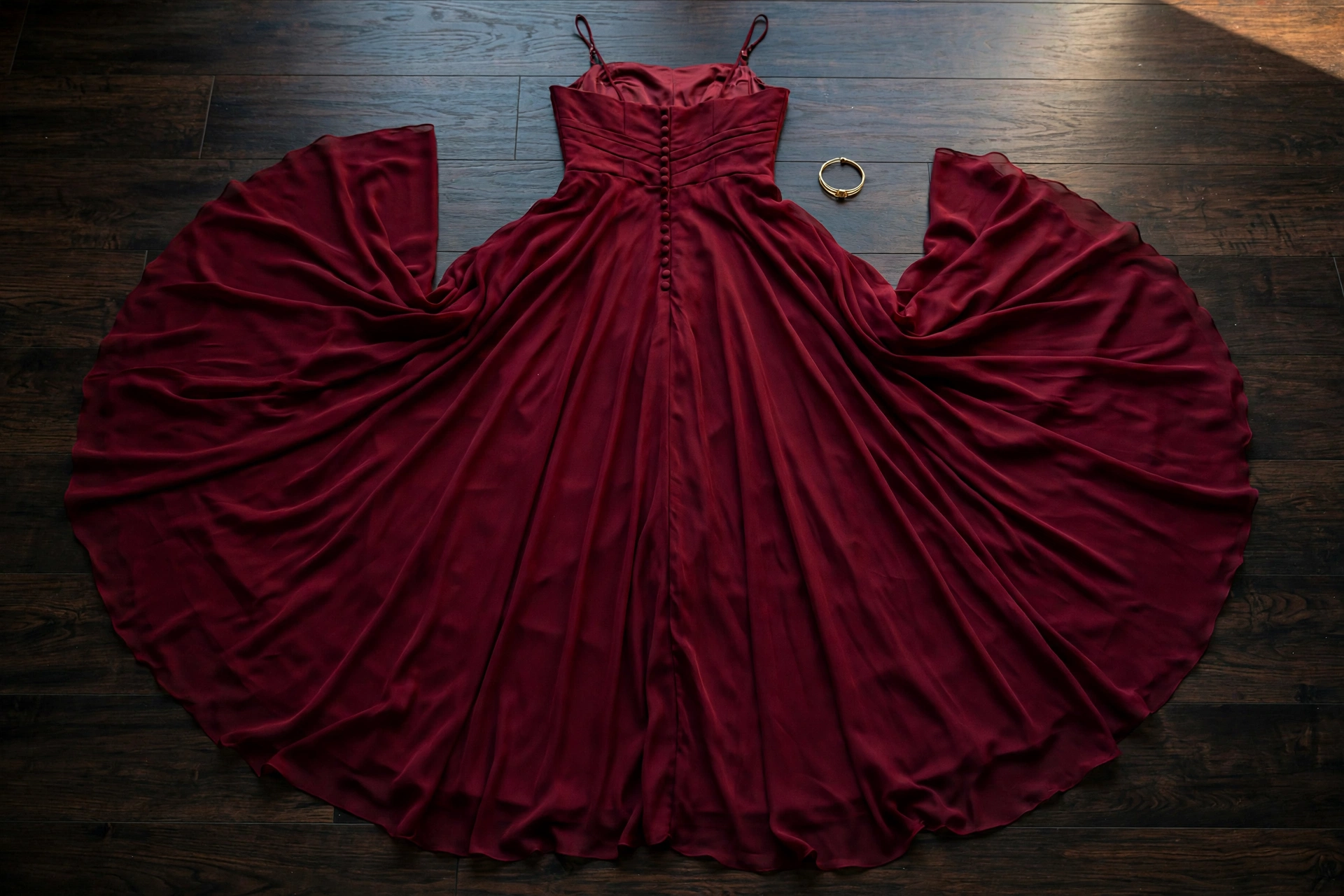
You may also like: 22 Low Back Wedding Dress Ideas That Feel Truly Beautiful
Necklines That Do the Work
The neckline is the part of the dress that fixes the most worries. A bust that needs support, shoulders that feel broad, a neck that wants lengthening, all of it is a neckline decision, not a whole-dress decision. These five necklines cover nearly every upper-body worry in a bridal party.
6. The V-Neck That Lengthens the Neck
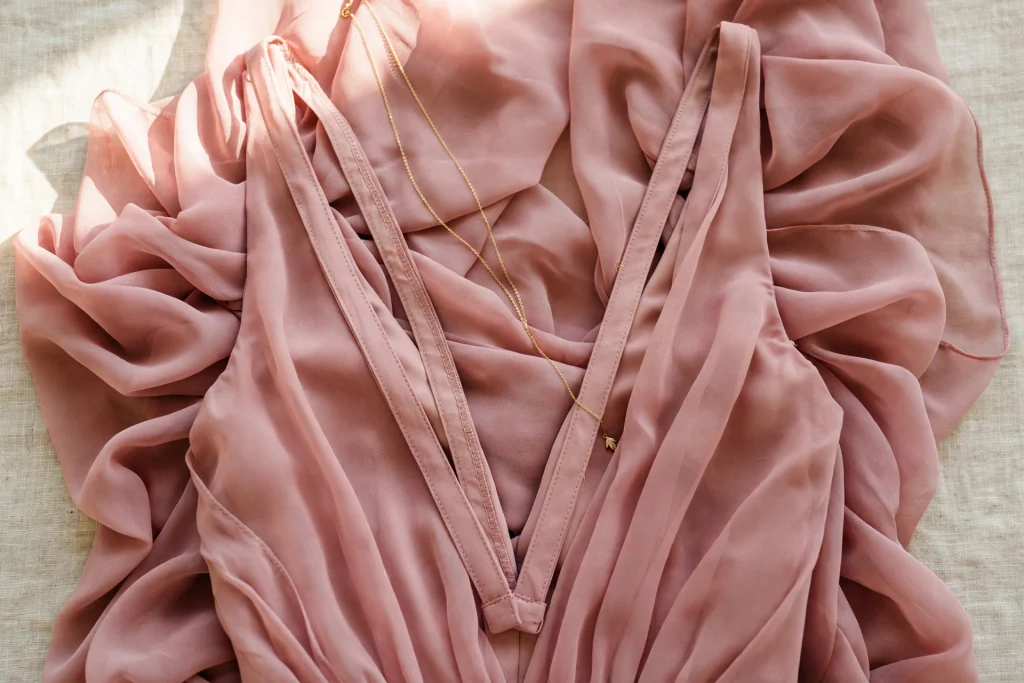
A V-neck bridesmaid dress lengthens the neck and works on most busts, from small to full. It draws the eye down the center of the body, which makes the torso look longer and the whole figure look taller. It is the safest neckline on this list, and it pairs with almost every cut, from A-line to wrap to slip.
Best for: Most busts, petite frames that want height, and anyone who wants a neckline that never looks wrong.
Why it works: The V shape creates a long vertical line, and vertical lines make people look taller. A deeper V adds drama for an evening wedding, while a shallow V stays modest for a church ceremony. Both versions flatter, and both photograph well.
You may also like: 22 Low Back Wedding Dress Ideas That Feel Truly Beautiful
7. The Sweetheart Neckline With a Softer Line
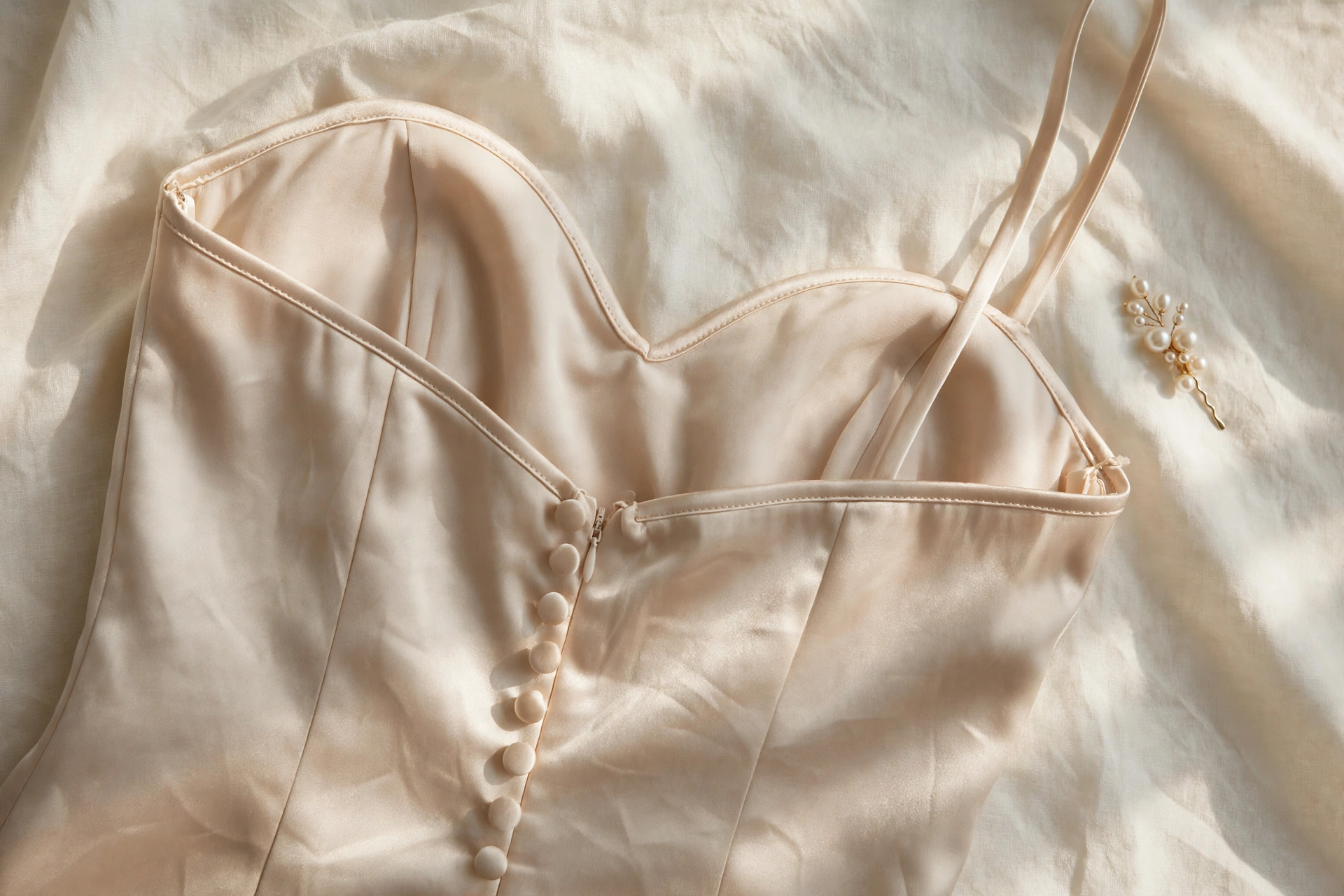
A sweetheart neckline bridesmaid dress does what a V-neck does, but with a softer, curved line across the bust. It frames the collarbones, gives a full bust a flattering shape, and looks romantic without showing too much. It is the neckline to pick when the bride wants the group to look soft and classic in photos.
Best for: Full busts, pear shapes, and classic or romantic weddings.
Why it works: The curved line follows the body’s shape instead of cutting across it, so it looks natural on a fuller bust and gentle on a smaller one. A sweetheart neckline also photographs beautifully from the side, which matters when the bridesmaids are standing in a row.
8. The Halter That Shows Off Shoulders
A halter bridesmaid dress wraps around the neck and shows off the shoulders and arms. It suits broad and narrow shoulders alike, and it is a good pick for anyone who likes her collarbones. The catch is that a regular bra will not work, so plan on a strapless or stick-on option, and look for a halter with a built-in cup or a thicker neck strap if bust support matters. Best for: Toned arms and shoulders, summer weddings, and anyone who wants a clean, modern line. Why it works: The halter line draws the eye up to the face and shoulders, which balances wider hips and makes the whole figure look lifted. In satin, a halter dress looks sleek. In chiffon, it looks light and easy.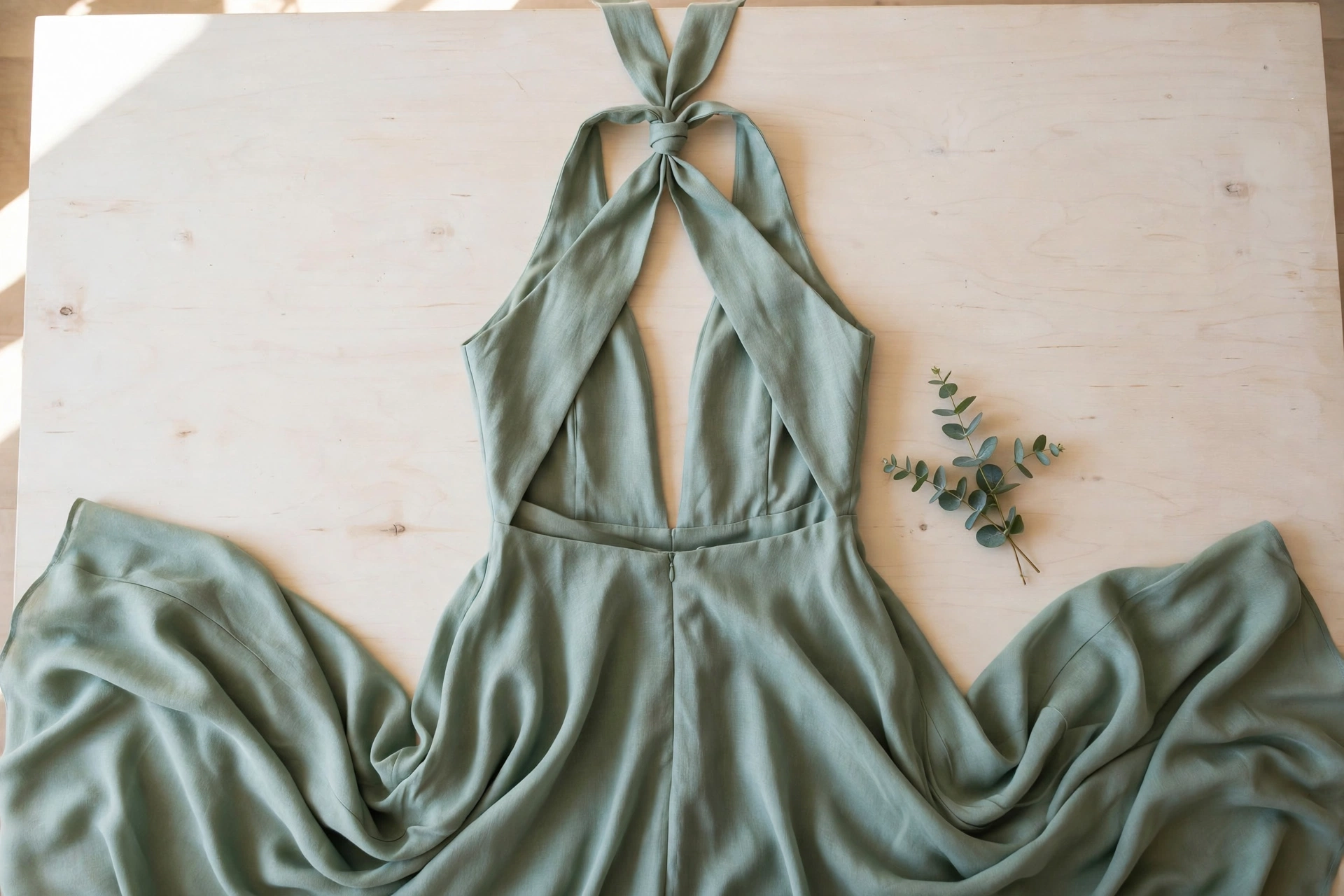
You may also like: 22 Low Back Wedding Dress Ideas That Feel Truly Beautiful
9. The One-Shoulder That Breaks Up a Straight Line
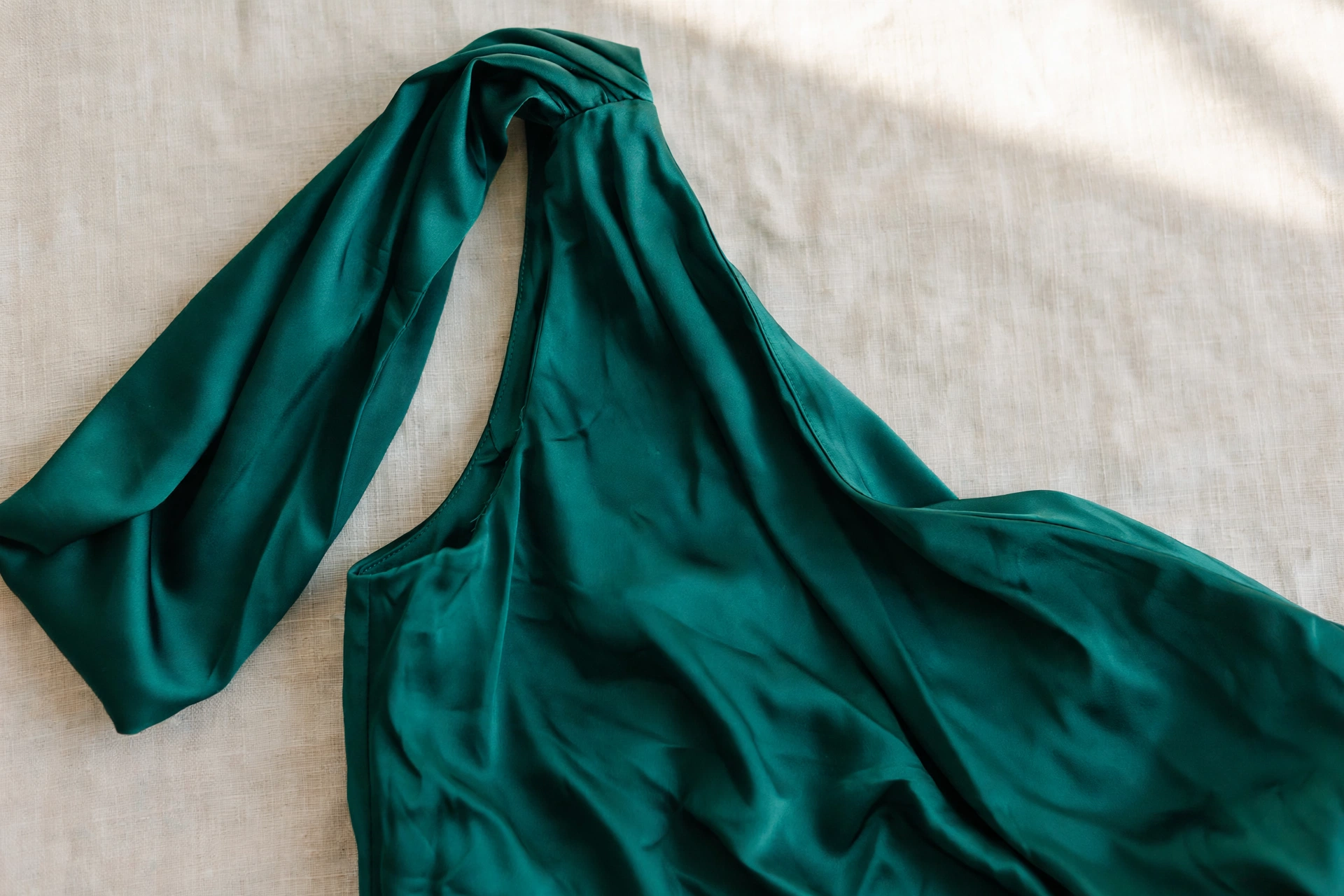
A one-shoulder bridesmaid dress draws a diagonal line across the body, which breaks up a straight silhouette and puts the focus on the neck and one shoulder. It stays in place better than a strapless dress, and the single strap gives some support. It is the neckline for the bridesmaid who wants something a little different without going dramatic.
Best for: Rectangle and athletic figures, tall bridesmaids, and modern weddings.
Why it works: The diagonal line adds shape where a straight figure has none, and the bare shoulder adds a little drama without showing much skin. A one-shoulder dress in a bold color like emerald or burgundy looks striking in photos, and in a soft pastel it looks fresh and modern.
10. The Off-Shoulder That Frames the Face
An off-shoulder bridesmaid dress sits below the shoulders and frames the face and collarbones. It balances wider hips by drawing attention upward, and it looks romantic in almost every photo. The one thing to know is that it restricts how high you can lift your arms, which matters if the dance floor is part of the plan, so try the dance move in the fitting room before you commit. Best for: Pear shapes, romantic weddings, and anyone who wants her face framed in photos. Why it works: The wide neckline creates a horizontal line across the top of the body, which balances a wider bottom half. In chiffon, an off-shoulder dress feels light and airy. In satin, it feels formal and polished.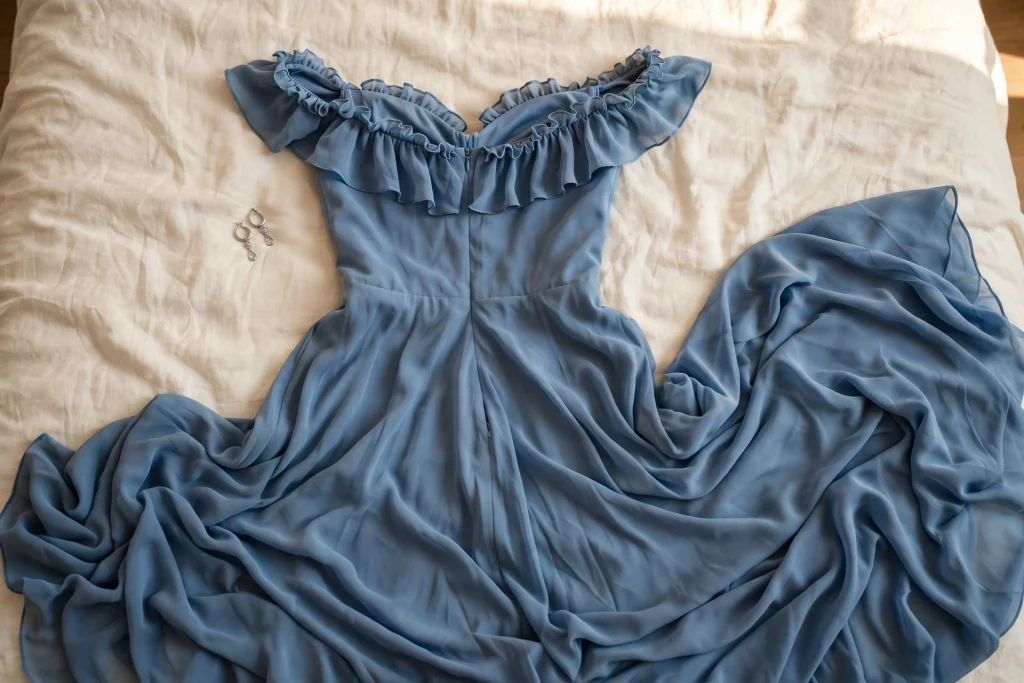
You may also like: 22 Low Back Wedding Dress Ideas That Feel Truly Beautiful
Fabrics and Feel
Fabric matters more than most brides realize. It decides how a dress moves, how it photographs, how hot it feels at 2 in the afternoon, and whether it shows every crease from the car ride. These four fabrics cover nearly every wedding, from a summer garden to a winter ballroom.
11. The Chiffon Dress That Moves in the Wind
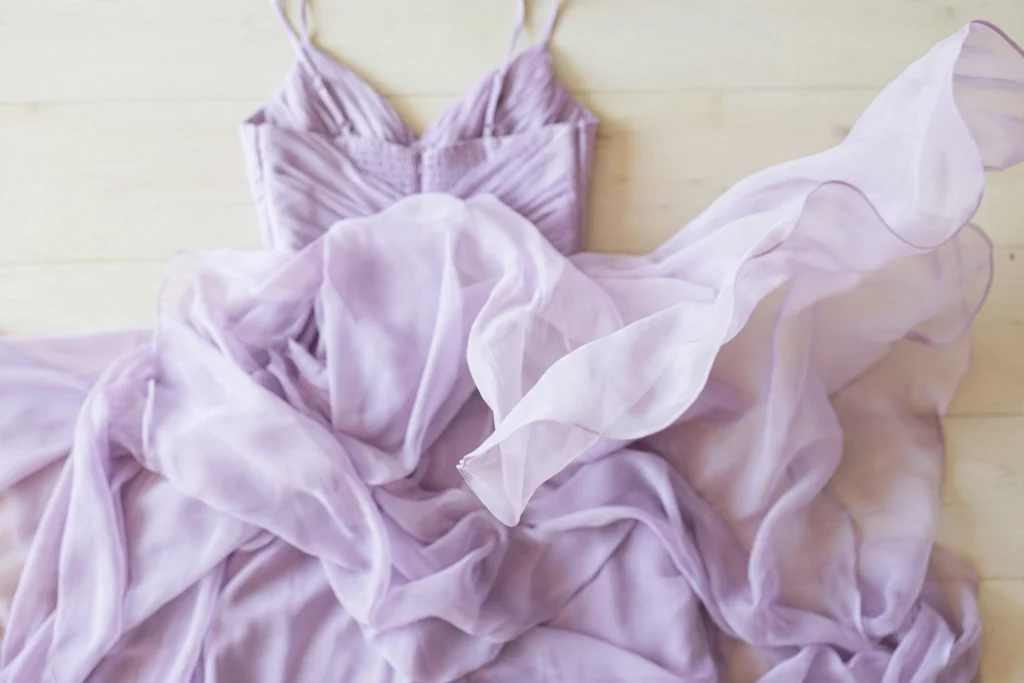
Chiffon is the most forgiving fabric on this list. It is matte, light, and layered, so it moves in the wind and blurs the line of the body. A chiffon bridesmaid dress breathes in summer heat, packs well for a destination wedding, and looks soft in photos. It does look less formal than satin, and pale chiffon can turn slightly see-through in direct sun, so check it in daylight before you order.
Best for: Summer and outdoor weddings, destination weddings, and anyone who wants a dress that does not cling.
Why it works: Chiffon skims instead of sticking, so it flatters every figure without calling attention to any one area. A-line chiffon bridesmaid dresses are the most popular cut in this fabric for a reason: the fabric and the cut both forgive.
You may also like: 22 Low Back Wedding Dress Ideas That Feel Truly Beautiful
12. The Satin Dress That Glows in Evening Photos
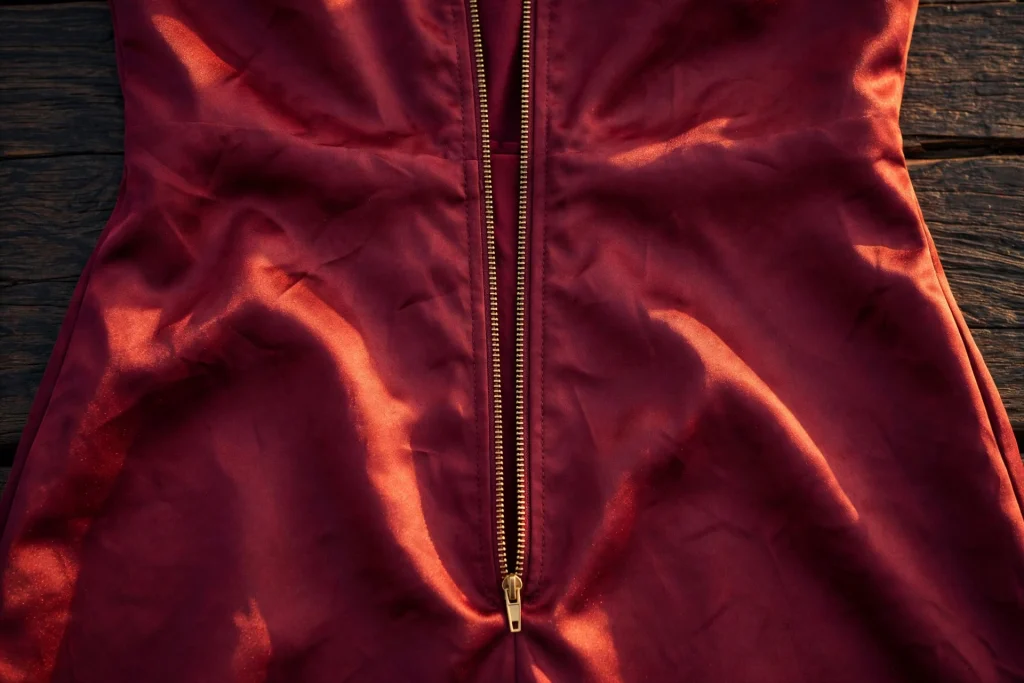
Satin shines. It catches light, looks rich in evening photos, and gives deep colors like wine and espresso their glow. A satin bridesmaid dress is the most formal choice on this list, and it is the one that looks most expensive in a photo. The downside is that it shows everything: creases from sitting in the car, seams, and any spot where the fit is a little off. A steamer in the getting-ready room is worth the space it takes.
Best for: Evening and black-tie weddings, fall and winter weddings, and deep colors.
Why it works: Satin reflects light, so the dress looks alive in photos instead of flat. A straight-cut satin dress with a little ease at the hips and a structured bodice hides more and photographs smoother than a bias cut, which follows every curve. If someone in the group feels unsure about satin, the straight cut is the kinder choice.
13. The Crepe Dress That Looks Smooth and Expensive
Crepe sits between satin and chiffon: smooth like satin, matte like chiffon, and comfortable for a long day of standing. A crepe bridesmaid dress drapes cleanly, does not wrinkle much, and looks polished without shining. It is the fabric to pick when the wedding is formal but the bridesmaids still need to move, sit, and dance all day. Best for: Modern and minimalist weddings, tall bridesmaids, and anyone who hates wrinkles. Why it works: Crepe has weight, so it falls in clean lines instead of floating away or clinging. It smooths the figure without squeezing it, and it photographs as a solid, expensive-looking color. A crepe sheath or column dress is one of the most elegant bridesmaid dresses you can buy at a mid-range price.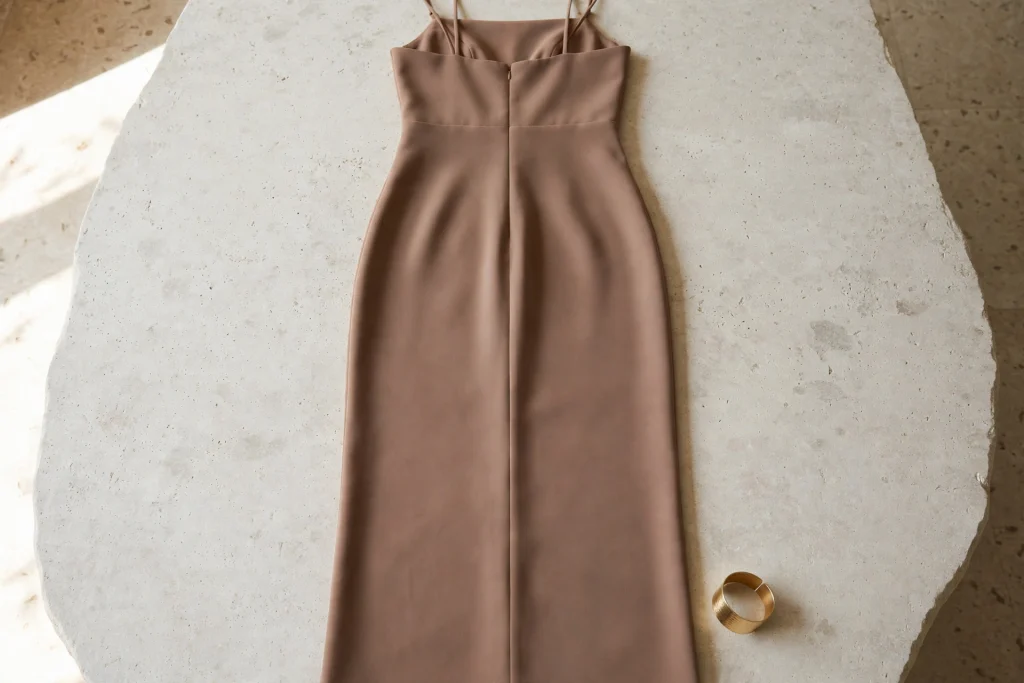
You may also like: 22 Low Back Wedding Dress Ideas That Feel Truly Beautiful
14. The Velvet Dress for a Winter Wedding
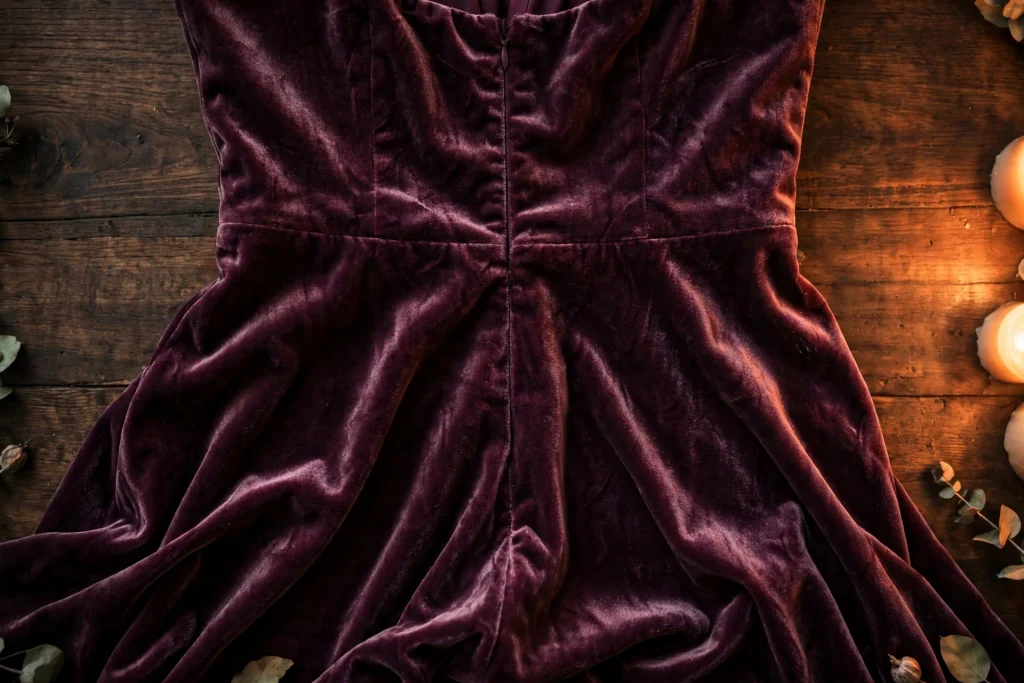
Velvet is the winter fabric. It is warm, rich, and soft to the touch, and it makes deep colors look even deeper. A velvet bridesmaid dress in emerald, wine, or plum looks stunning against candlelight and evergreen, and it keeps the bridesmaids warm at an outdoor photo session. It is too heavy for summer, but for a fall or winter wedding, nothing else photographs quite like it.
Best for: Fall and winter weddings, evening ceremonies, and deep jewel colors.
Why it works: Velvet absorbs light instead of reflecting it, so the color looks deep and soft at the same time. A velvet A-line or wrap dress is comfortable, warm, and forgiving, and it needs almost no steaming, because velvet does not crease the way satin does.
You may also like: 22 Cozy Christmas Apartment Decor Ideas for Small Spaces
Color and the Mixed Lineup
This is where the group stops looking like six separate shoppers and starts looking like a bridal party. Pick one of these four color plans, and the dresses will look intentional even when every shape is different.
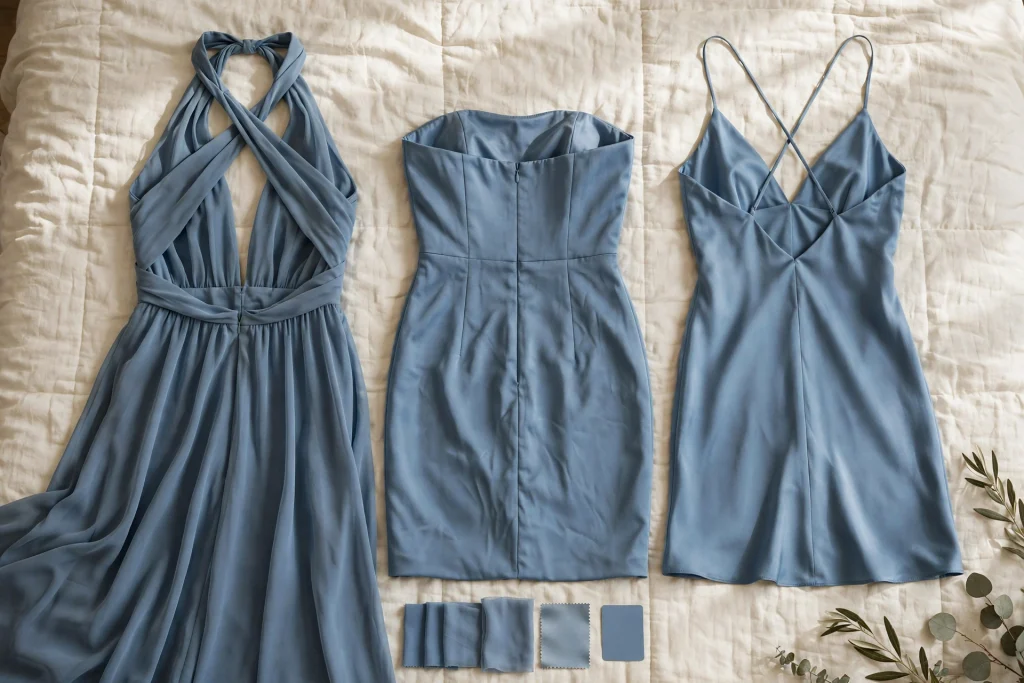
15. The Same Color in Different Cuts
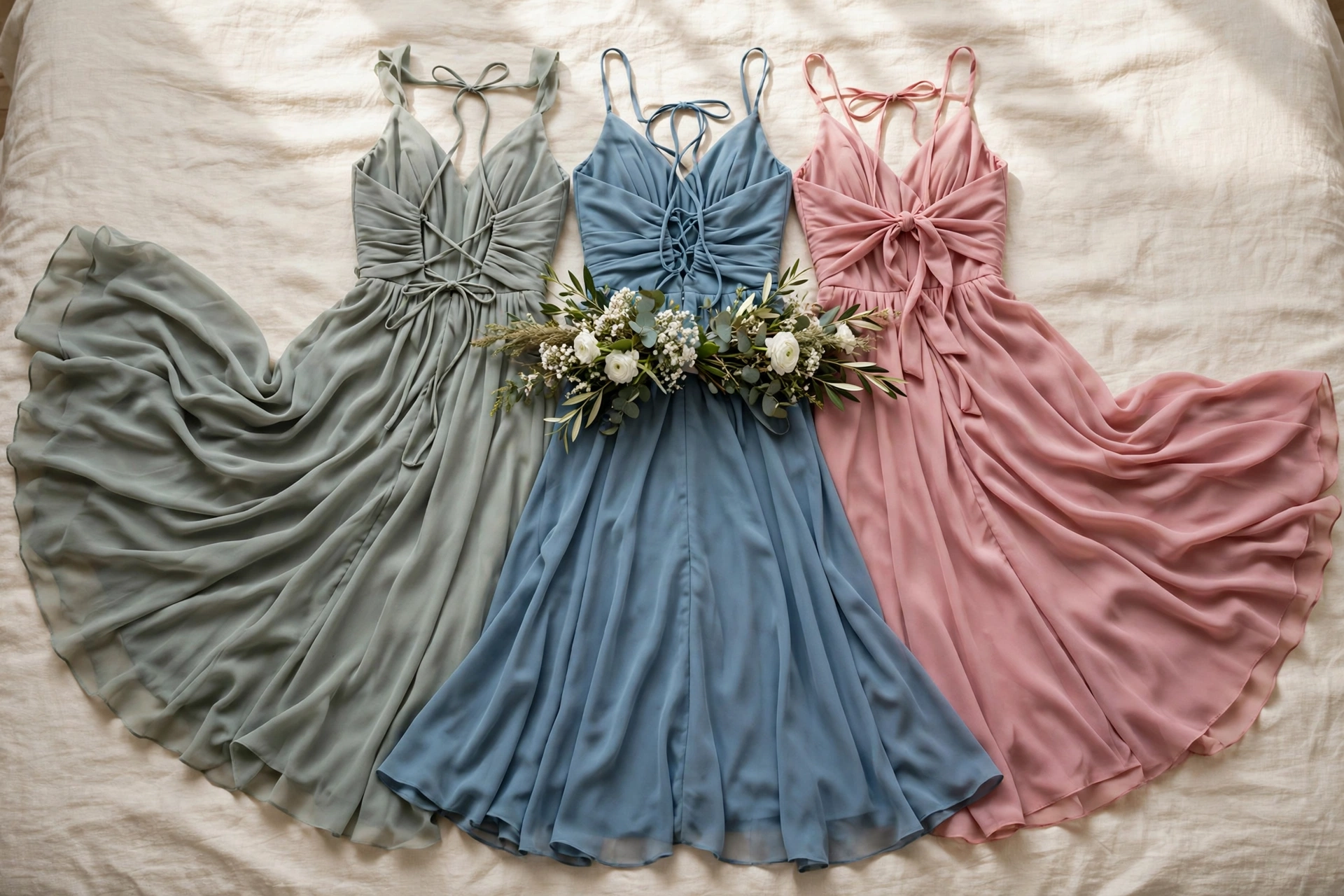
Everyone wears dusty blue, but one picks a halter, one a strapless, one a slip dress. This is the safest version of a mixed lineup and the one that photographs most clearly as a set. The trick is getting the shade right across different shops and fabrics, since one brand’s dusty blue can be another’s powder blue. Ordering swatches first, or buying from one retailer that offers many styles in the same colorway, solves most of that.
Best for: Brides who want a neat, coordinated look with zero risk.
Why it works: The shared color is the loudest signal in a photo, louder than the cut. When the color matches, the eye reads the group as one party, and each bridesmaid still gets the shape that suits her. Dusty blue, sage, dusty rose, and mauve all work beautifully this way.
You may also like: 22 Low Back Wedding Dress Ideas That Feel Truly Beautiful
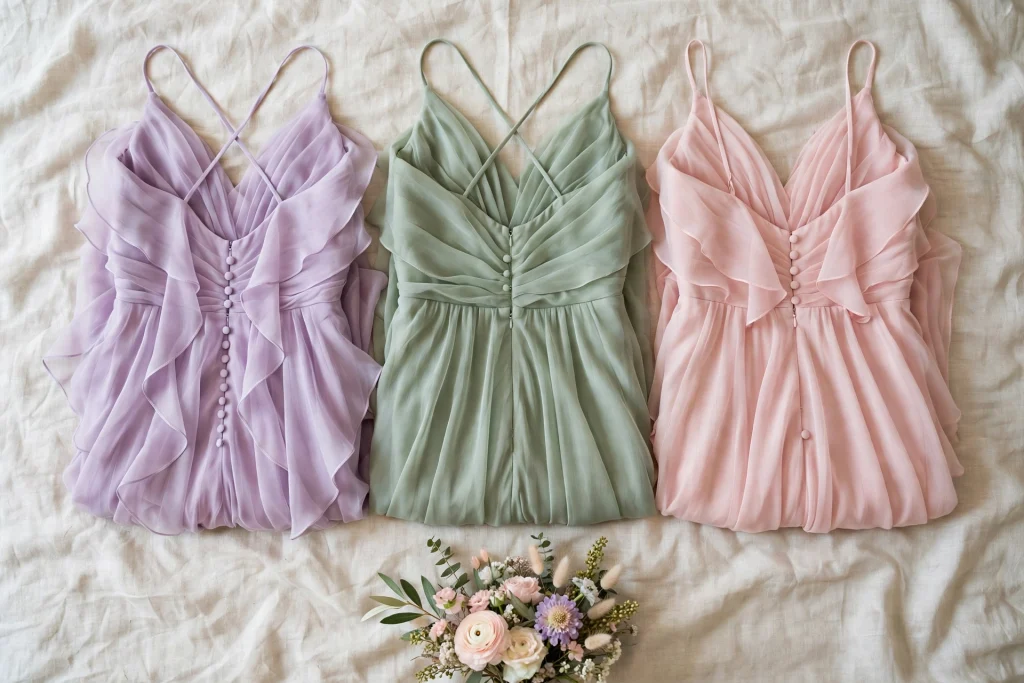
16. The Same Fabric in Different Colors
All satin or all chiffon, in a range of shades. The shared fabric keeps the group looking like one party even when the colors change, because the light hits every dress the same way. This is the softer, more romantic version of a mixed lineup, and it is the one to pick when your bridesmaids have very different skin tones and one color does not suit them all.
Best for: Mixed skin tones, spring weddings, and brides who love a soft, tonal look.
Why it works: Fabric is a quieter signal than color, but it is still a signal. When every dress is the same chiffon, the group looks styled even in five different pastels. A single exact color can look great on some skin tones and less so on others, while different colors in one fabric let each bridesmaid pick the shade that suits her face.
17. The Color Family in Several Shades
Sage, olive, and mint together. Blush, dusty rose, and mauve together. This is the boldest version of a mixed lineup, and it is where floral bridesmaid dresses fit in too. One or two printed dresses in the same tones as the plain ones make a mixed group look styled rather than random. Keep the print small and the background color in your family, and the floral dress ties the lineup together instead of standing out. Best for: Garden and outdoor weddings, bohemian weddings, and brides who love color. Why it works: A color family gives the group depth and movement in photos, and it lets each bridesmaid pick the shade that suits her best. The shades must stay close enough to read as a family, so hold the swatches together in daylight before you order, and check them again under warm reception lights, because a sage that looks fresh outdoors can turn gray indoors.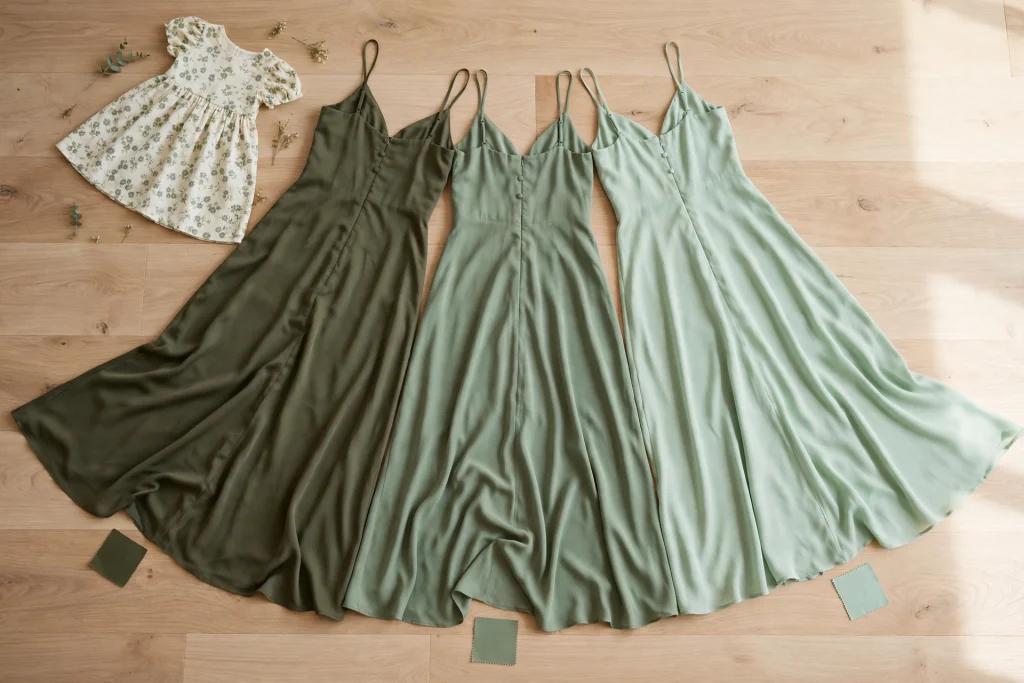
You may also like: 22 Low Back Wedding Dress Ideas That Feel Truly Beautiful
18. The Black Dress That Gets Worn Again
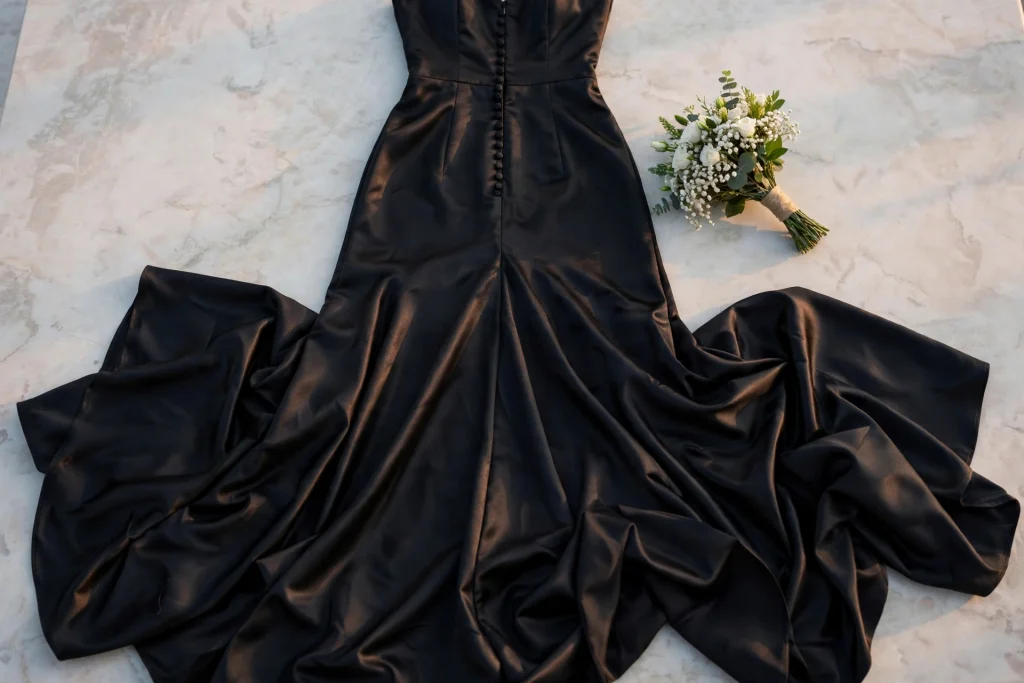
Black bridesmaid dresses suit formal evening weddings, flatter almost everyone, and get worn again more than any pastel. A black dress in a simple cut is the most practical bridesmaid dress you can buy, because it leaves the closet for other weddings, galas, and holiday parties. Some families still see black as a color for mourning, though, so it is a question for the bride and her family, not a default.
Best for: Black-tie weddings, evening ceremonies, and bridesmaids on a budget who want a rewearable dress.
Why it works: Black is slimming, it suits every skin tone, and it makes the bouquet pop in photos. A black satin slip or a black convertible dress looks expensive at any price, and it is the one bridesmaid dress that will not sit unworn in a closet for years.
Fit, Length, and the Practical Stuff
The dress is picked. Now make it fit, make it comfortable, and make it affordable. These four ideas are the difference between a dress that looks good on the hanger and a dress that looks good at midnight on the dance floor.19. The Midi Length That Saves Petite Bridesmaids
Petite bridesmaids often do better with a midi or a raised waist, since a floor-length skirt usually needs hemming and can swallow a small frame. A midi bridesmaid dress hits below the knee and above the ankle, which shows the shoe, lengthens the leg, and needs far less altering. It is also the most rewearable length on this list, because a midi dress works at other weddings and parties without looking like a bridesmaid dress. Best for: Petite frames, daytime and garden weddings, and anyone who wants to dance without tripping. Why it works: Proportion is everything on a petite frame. A floor-length skirt adds fabric where a small person does not need it, while a midi keeps the lines clean and the shoes visible. A side slit keeps a midi dress from looking heavy, and a raised waist adds height without heels.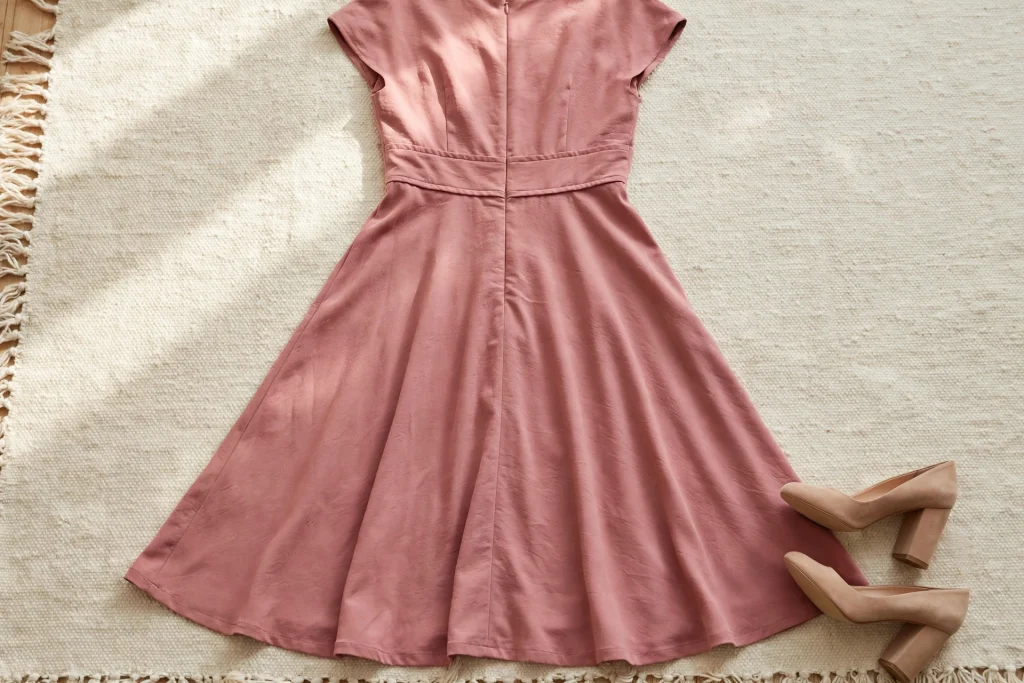
You may also like: 22 Low Back Wedding Dress Ideas That Feel Truly Beautiful
20. The Plus Size Dress With Real Support
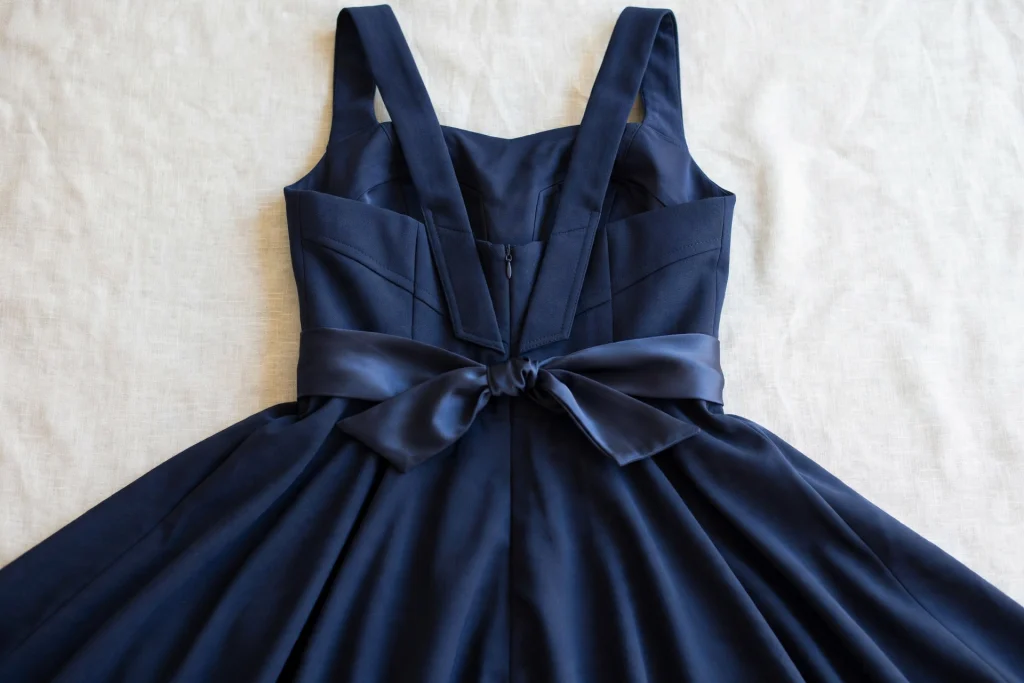
For plus size bridesmaids, wrap and A-line dresses with wider straps or sleeves give support without extra fabric, and most lines now offer the same colors in extended sizes. Look for a structured bodice, a built-in cup, and a fabric with a little weight, like crepe or matte satin, instead of a thin jersey that shows everything. The dress should support, not squeeze, and the bridesmaid should be able to sit and dance without adjusting it every ten minutes.
Best for: Plus size and curvy bridesmaids, and anyone who wants bust support built into the dress.
Why it works: Wider straps carry weight better than spaghetti straps, sleeves add coverage without adding heat if the fabric is light, and a wrap or A-line cut follows the body instead of fighting it. Extended sizing from the same retailer keeps the color consistent across the whole party, which is the detail that makes a mixed-size group look neat.
21. The Sleeve That Solves the Coverage Worry
Some bridesmaids want their arms covered, and that is a normal request, not a problem. A bridesmaid dress with sleeves, flutter sleeves, a sheer overlay, or a matching shawl gives coverage without making the dress look heavy. Flutter sleeves in chiffon add softness and movement. A sheer long sleeve looks formal and elegant. A detachable shawl gives the bridesmaid the choice to cover up for the ceremony and take it off for the reception. Best for: Religious ceremonies, cool-weather weddings, and anyone who feels better with her arms covered. Why it works: Coverage is a comfort decision, and comfort shows in photos. A sleeve that matches the dress fabric keeps the look clean, and a sheer sleeve gives coverage without warmth, which matters at a summer wedding. Let the bridesmaid pick her sleeve style the same way she picks her neckline.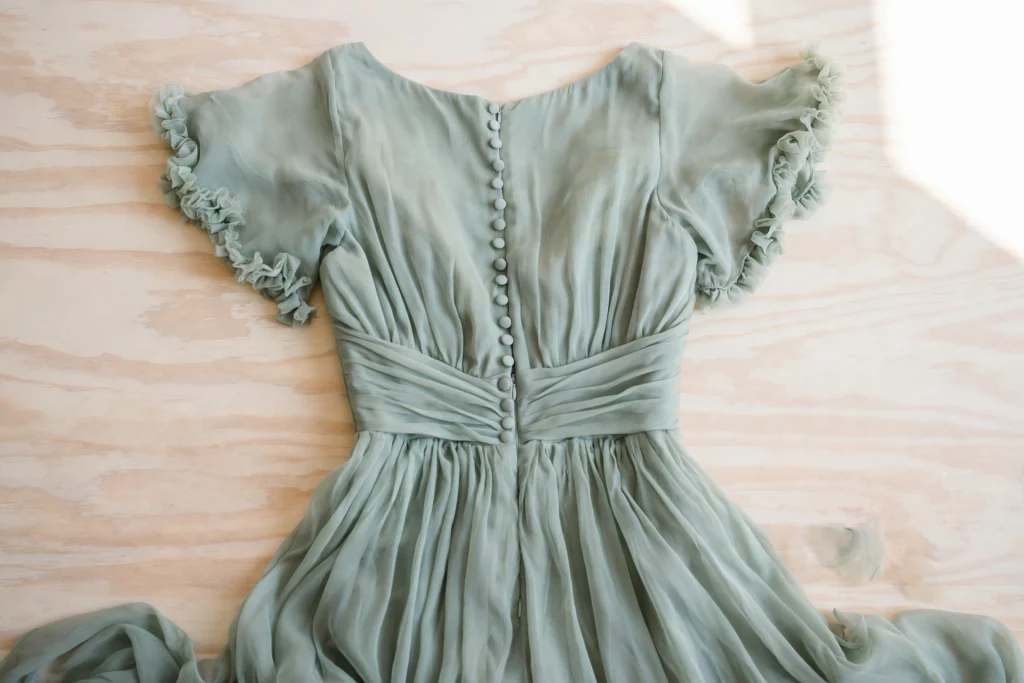
You may also like: 22 Low Back Wedding Dress Ideas That Feel Truly Beautiful
22. The Alterations Appointment That Changes Everything
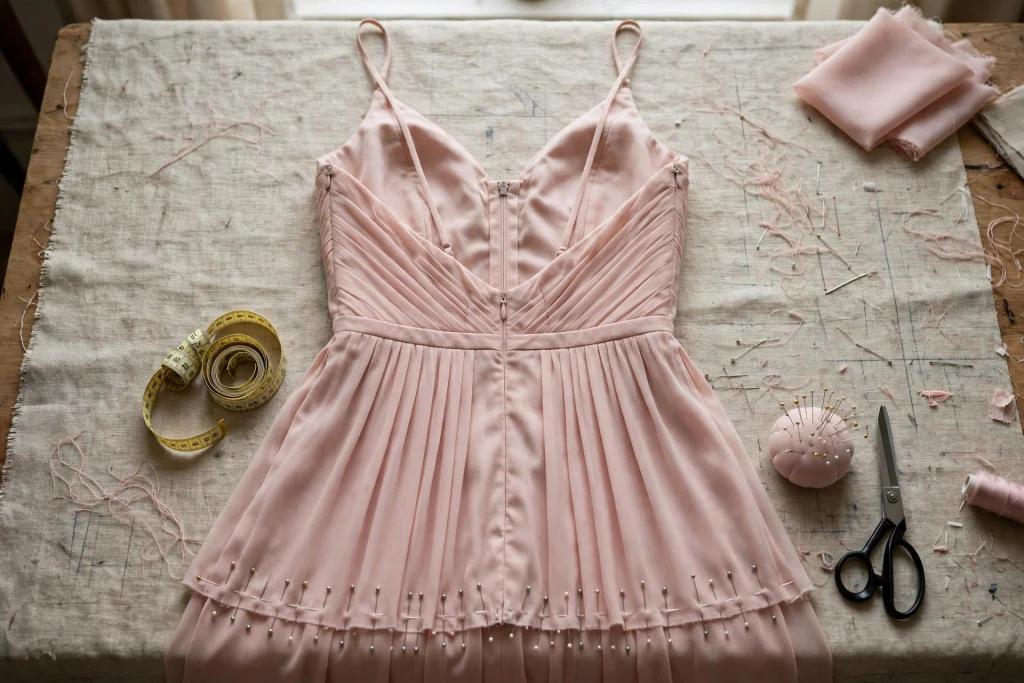
Whatever bridesmaid dress style each person picks, leave time for alterations. Hemming for the exact shoe height, taking in the bodice, and adjusting straps make more difference to how a dress looks than the cut itself. Ask everyone to bring the shoes they will wear to the fitting, because a hem pinned for flats will drag once heels go on. Book the whole party at once, agree on a price range before anyone falls in love with a style, and order early enough to leave room for shipping, a wrong size, and alterations.
Best for: Every bridesmaid, and especially a group ordering online.
Why it works: A dress that fits is a dress that photographs well, and a dress that has been altered for the real shoes and the real body is the one the bridesmaid will actually enjoy wearing. Most bridesmaids pay for their own dress, so agreeing on the budget privately before shopping avoids the awkward version of that conversation later. A simple dress in a solid color, altered properly, beats an expensive dress that was never fitted.
The 1-2-3 Lineup Method: One Shared Thing, Two Shapes, Three Fittings
If you take one thing from this guide, take this. You do not need a perfect dress. You need one shared thing, two shapes, and three fittings.
One shared thing. A color, a fabric, or a color family. Pick it first and hold it firm. It is the thread that makes six different dresses look like one party.
Two shapes. Offer two or three pre-approved silhouettes, like A-line and wrap, and let each bridesmaid choose between them. Two shapes give everyone a real choice without turning the group into a free-for-all. Three shapes is the most you should offer, or the lineup starts to look random.
Three fittings. One to order the right size, one to pin the hem with the real shoes, and one final check a week before the wedding. Three fittings sound like a lot. They are the reason the dresses look like they were made for the people wearing them, because by the last fitting, they nearly were.
That is the whole method. One shared thing, two shapes, three fittings. Do that and your bridesmaids will look like a group and feel like themselves.
At a Glance: Every Idea, Its Best Body, and Its Best Moment
| # | Idea | Best body | Best moment |
|---|---|---|---|
| 1 | The A-Line That Suits Nearly Everyone | Every body type | The safe first pick |
| 2 | The Wrap Dress That Adjusts to Every Bust | Mixed bust sizes | The forgiving fit |
| 3 | The Empire Waist That Lengthens Everything | Apple, petite, pregnant | The comfort pick |
| 4 | The Convertible Dress Everyone Ties Differently | Every taste | The flexible buy |
| 5 | The Fit-and-Flare That Celebrates Curves | Hourglass, curvy | The waist moment |
| 6 | The V-Neck That Lengthens the Neck | Most busts, petite | The safe neckline |
| 7 | The Sweetheart Neckline With a Softer Line | Full bust, pear | The romantic pick |
| 8 | The Halter That Shows Off Shoulders | Toned shoulders | The summer pick |
| 9 | The One-Shoulder That Breaks Up a Straight Line | Rectangle, athletic | The modern pick |
| 10 | The Off-Shoulder That Frames the Face | Pear shape | The romantic pick |
| 11 | The Chiffon Dress That Moves in the Wind | Every body type | The summer wedding |
| 12 | The Satin Dress That Glows in Evening Photos | Every body type | The evening wedding |
| 13 | The Crepe Dress That Looks Smooth and Expensive | Tall frames | The modern wedding |
| 14 | The Velvet Dress for a Winter Wedding | Every body type | The winter wedding |
| 15 | The Same Color in Different Cuts | Every body type | The safest lineup |
| 16 | The Same Fabric in Different Colors | Mixed skin tones | The soft tonal look |
| 17 | The Color Family in Several Shades | Every body type | The garden wedding |
| 18 | The Black Dress That Gets Worn Again | Every body type | The black-tie wedding |
| 19 | The Midi Length That Saves Petite Bridesmaids | Petite frames | The daytime wedding |
| 20 | The Plus Size Dress With Real Support | Plus size, curvy | The support pick |
| 21 | The Sleeve That Solves the Coverage Worry | Every body type | The ceremony |
| 22 | The Alterations Appointment That Changes Everything | Every body type | Before the wedding |
Do This, Not That
Do pick one shared thing first. A color, a fabric, or a color family. Everything else can vary once the constant is set.
Do not force one dress on six different bodies. One silhouette that genuinely flatters six different bodies is rare, and forcing it makes everyone unhappy.
Do let bridesmaids pick their own shape. Give them two or three pre-approved options so it is not overwhelming, but letting them choose the neckline and silhouette makes a huge difference in comfort.
Do not skip the swatch check. A dusty blue from one brand can be powder blue from another, and a sage that looks fresh outdoors can turn gray under warm reception lights. Check the swatch in both kinds of light before you order.
Do budget for alterations. Hemming, taking in the bodice, and adjusting straps make more difference than the style name on the label.
Do not order late. Allow at least three months before the wedding for custom sizing and alterations, and set the ordering deadline early enough to leave room for shipping, a wrong size, and alterations.
Do agree on the price range first. Most bridesmaids pay for their own dress, so asking each bridesmaid what she is comfortable spending, privately, avoids the awkward version of that conversation later.
Do not forget the shoes. Ask everyone to bring the shoes they will wear to the fitting, because a hem pinned for flats will drag once heels go on.
Do keep the hemline consistent. Even with varied cuts, using the same fabric and color palette and a similar hemline keeps the group visually aligned.
Do not put bridesmaids in white, ivory, or anything close to the bride’s dress. That includes very pale champagne, cream, and light silver, which can read as white in photos.
Your Bridesmaid Dress Plan
You do not need to do all 22 ideas. You need one shared thing, two shapes, and three fittings. Here is how to pick them, in order.
Six months before, pick the shared thing. Choose your color, fabric, or color family, and order swatches. Check them in daylight and under warm indoor light. This is the decision everything else hangs on, so make it when you are calm, not the week before the wedding.
Four months before, pick the shapes. Offer two or three silhouettes, like A-line and wrap, and let each bridesmaid choose. Order the dresses now, with time for shipping and a wrong size. Bridesmaid dresses searches peak in spring, so if your wedding is in spring, order even earlier, because the popular colors sell out first.
Two months before, first fitting. Pin the hem with the real shoes, take in the bodice, and adjust the straps. This is the fitting that fixes the big things.
One week before, final check. Try everything on together, in the shoes, with the jewelry. Line up the chosen dresses in a single photo on your phone. If they look like one group at that size, they will look like one group at the wedding too.
Take It Further
If you are planning the rest of the wedding party look, these guides from Supliice keep the planning going:- 22 Low Back Wedding Dress Ideas That Feel Truly Beautiful
- 23 Bridal Shower Finger Foods Your Guests Will Love Most
- 22 Cozy Christmas Apartment Decor Ideas for Small Spaces
- 21 Christmas Window Painting Ideas to Brighten Your Home
- 23 Friendsgiving Party Ideas That Make Hosting Feel Easy
- 21 Best Christmas Cookie Recipes to Bake This Holiday Season
- 22 Thanksgiving Table Decor Ideas for a Cozy Holiday Feast
- 22 Christmas Card Ideas That Feel Handmade and Truly Special
Lineup Cheat Sheet
- One shared thing, two shapes, three fittings. That is the whole method, and it works for any bridal party.
- A-line and wrap flatter the most body types. Start there when the group cannot agree.
- Pick the color for the party, the fabric for the season, and the silhouette for the body. Those are three separate decisions.
- Check swatches in daylight and warm light. Colors change with the light, and the reception light is not the shop light.
- Order at least three months early. Spring weddings need even more lead time, because bridesmaid dresses searches and orders peak in spring.
- Budget for alterations from the start. A fitted simple dress beats an expensive unfitted one in every photo.
- Comfort shows in photos. If a bridesmaid is uncomfortable, it shows. Let her choose the shape she feels good in.
- No white, no ivory, nothing close to the bride. Not even pale champagne.
- The group photo test. If the dresses look like one group on your phone screen, they will look like one group at the wedding.
Questions People Ask
A-line and wrap dresses work well for nearly all figures. They define the waist, allow movement, and adapt easily to different heights and proportions. An empire waist is the other safe pick, because the high waistline sits just under the bust and lets the skirt fall straight, which suits petite, apple-shaped, and pregnant bridesmaids too.
Yes, if you want everyone to feel confident. Give them two or three pre-approved options so it is not overwhelming, but letting them choose their neckline and silhouette makes a huge difference in comfort level. The shared color keeps the group looking coordinated, while each person wears the shape that suits her best.
Empire waist, A-line, and wrap styles work well across size ranges. Avoid anything with a defined waistband that sits at the natural waist, since that can emphasize height differences. Floor-length hems look elegant on taller bridesmaids, while petite bridesmaids often do better with a midi length or a raised waist, and plus size bridesmaids benefit from wider straps and a structured bodice in the same cut.
You usually cannot, and that is the honest answer. One silhouette that genuinely flatters six different bodies is rare. What works instead is holding one element constant and letting the rest vary, so the group reads as coordinated while each person wears a shape that suits her. Pick one shared color or fabric, offer two or three shapes, and let each bridesmaid choose the one she feels best in.
Neuman’s Sign-Off
Here is what I want you to remember from this whole guide. The prettiest bridal party is not the one in matching dresses. It is the one where every bridesmaid feels like herself. A-line for the friend who wants a safe cut, wrap for the one who wants her waist defined, empire for the one who wants to breathe, and the same color holding them all together. That is the whole trick, and it is not a trick at all. It is just kindness, sewn into a dress.
My friend Sara still talks about that second fitting, years later. She does not remember the dress that made her cry in the parking lot. She remembers the one-shoulder A-line in dusty sage, the one she picked herself, and the photo where all six of them are laughing.
So pick the shared thing, offer two shapes, and book the three fittings. Let each bridesmaid choose the dress she loves, and the photos will take care of themselves.