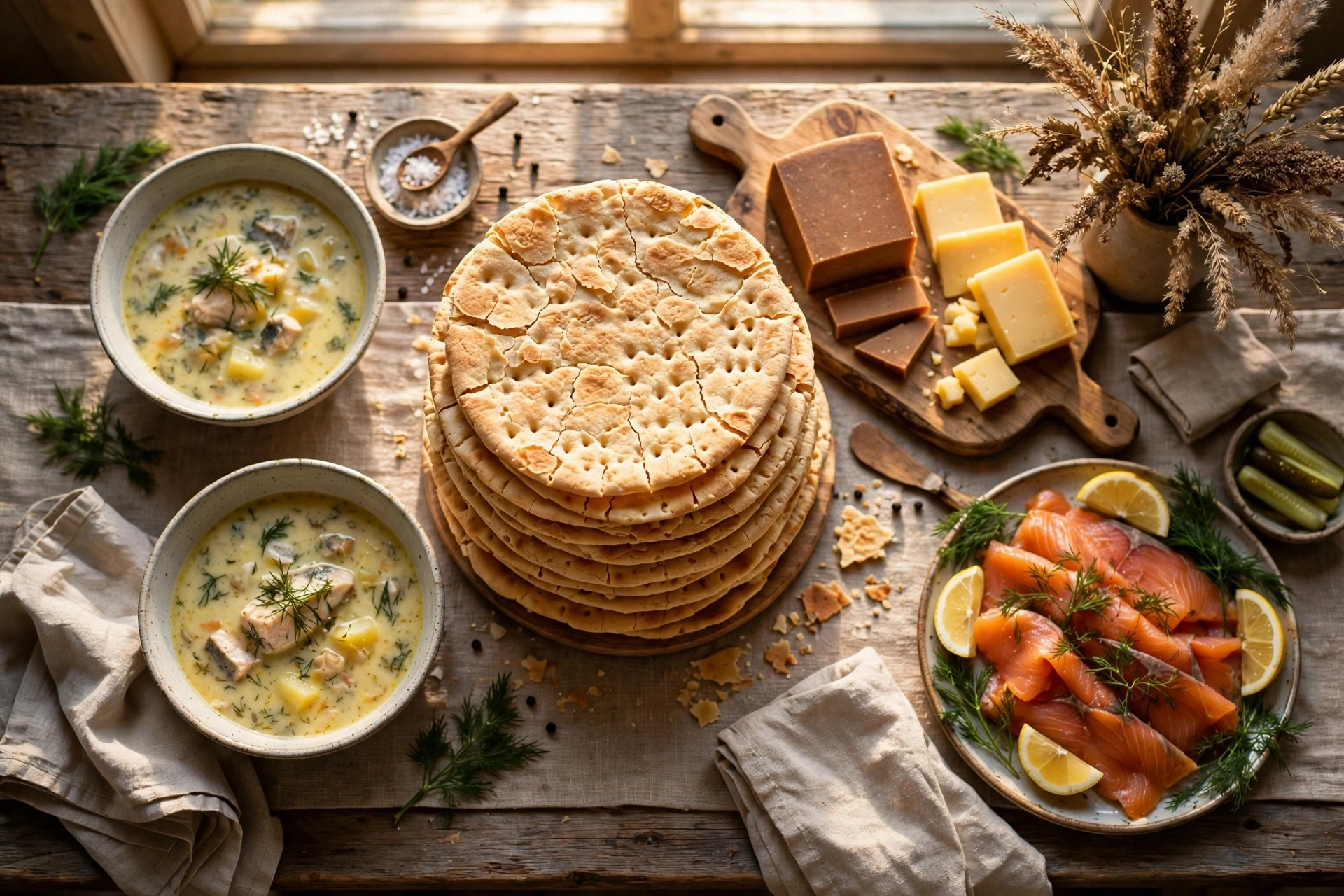
The first time I tried to roll Norwegian flatbread, I was sure I had gone too far. The dough was so thin I could see the counter through it, and I was convinced it would tear the second I lifted it. It did not. It puffed up with light brown spots on a hot dry griddle, dried out in a low oven, and snapped like a cracker when I broke it. That snap is the whole point of flatbrod, and it is the sound that tells you that you did it right.
Norwegian flatbread is one of the simplest breads in the world. The classic crisp version needs only whole wheat flour, water, and salt. No yeast, no waiting for a rise, no fancy equipment. The soft version, lefse, is made with potatoes and rolled just as thin, then spread with butter and cinnamon sugar and rolled up like a sweet little scroll. Both versions have fed Norwegian families for hundreds of years, because they keep for weeks and go with almost everything.
These 22 Norwegian flatbread ideas cover both styles and every way to serve them. You will find the crisp classic, soft lefse, rye and barley versions, seeded and herbed flatbreads, and plenty of toppings, from smoked salmon and brown cheese to soups, dips, and dessert spreads. Pick one, roll it thin, and trust the griddle.
Too Long; Didn’t Read
Norwegian flatbread comes in two styles: crisp flatbrod made from whole wheat flour, water, and salt, and soft potato lefse. The secret to both is rolling the dough paper thin, about 1/16 inch, and cooking it on a hot, dry griddle. Crisp flatbread keeps for weeks in an airtight container and is best with cheese, smoked salmon, soups, and dips. Soft lefse is best the same day, spread with butter and cinnamon sugar. This guide gives you 22 variations, the rolling and crisping tricks, and a plan for a full Nordic meal around them.
What's Inside This Guide
ToggleThe Griddle Lesson My First Flatbread Taught Me
I learned the most important flatbread rule the hard way, by making a batch that came out soft and chewy instead of crisp. I had rolled it thick because thin felt wrong, and I had cooked it gently because I was afraid of burning it. The result was fine, but it was not flatbrod. It was a sad, floppy cracker that bent instead of snapping.
The next batch I rolled until the dough was almost see-through, turned the heat up, and let the brown spots come fast. Then I dried the flatbreads in a low oven while I cooked the rest. That batch snapped. It stayed crisp for two weeks in a tin, and it turned a simple bowl of soup into a proper meal. Thin dough, hot pan, low oven to finish: that is the whole lesson, and it works every single time.
The 3 Things That Make Norwegian Flatbread Work
1. Roll it thinner than feels reasonable. Flatbrod should be about 1/16 inch thick, thin enough to see light through it. If the dough springs back, cover it and rest it for 10 to 15 minutes, then roll again. Thick flatbread stays soft, and soft is not the goal here.
2. Cook it on a hot, dry pan. No oil, no butter in the pan. A griddle or a large skillet over medium-high heat gives you light brown spots in 1 to 2 minutes per side. Wipe out burnt flour between batches so the next flatbread does not taste bitter.
3. Dry it out after cooking. A low oven, about 200F, while you cook the rest of the batch pulls out the last moisture. Cool the flatbreads fully on a rack before storing them, or trapped warmth will soften them again.
The 22 Norwegian Flatbread Ideas
1. The Classic Crisp Flatbrod
This is the original, and it is still the best place to start. Whole wheat flour, warm water, and salt, kneaded for five minutes and rolled paper thin. No yeast, no waiting, no fuss. The flavor is nutty and mild, and the texture is the whole point: dry, light, and snappy.
Cook it on a hot dry griddle for 1 to 2 minutes per side until light brown spots appear, then dry it in a low oven at 200F while you cook the rest. Cool it fully on a rack before you store it, or the trapped warmth will soften it again.
Try this: Roll each piece from the center outward and turn it often so it stays even.
You may also like: 16 Cozy Make-Ahead Breakfasts for Easy Mornings
2. Soft Potato Lefse
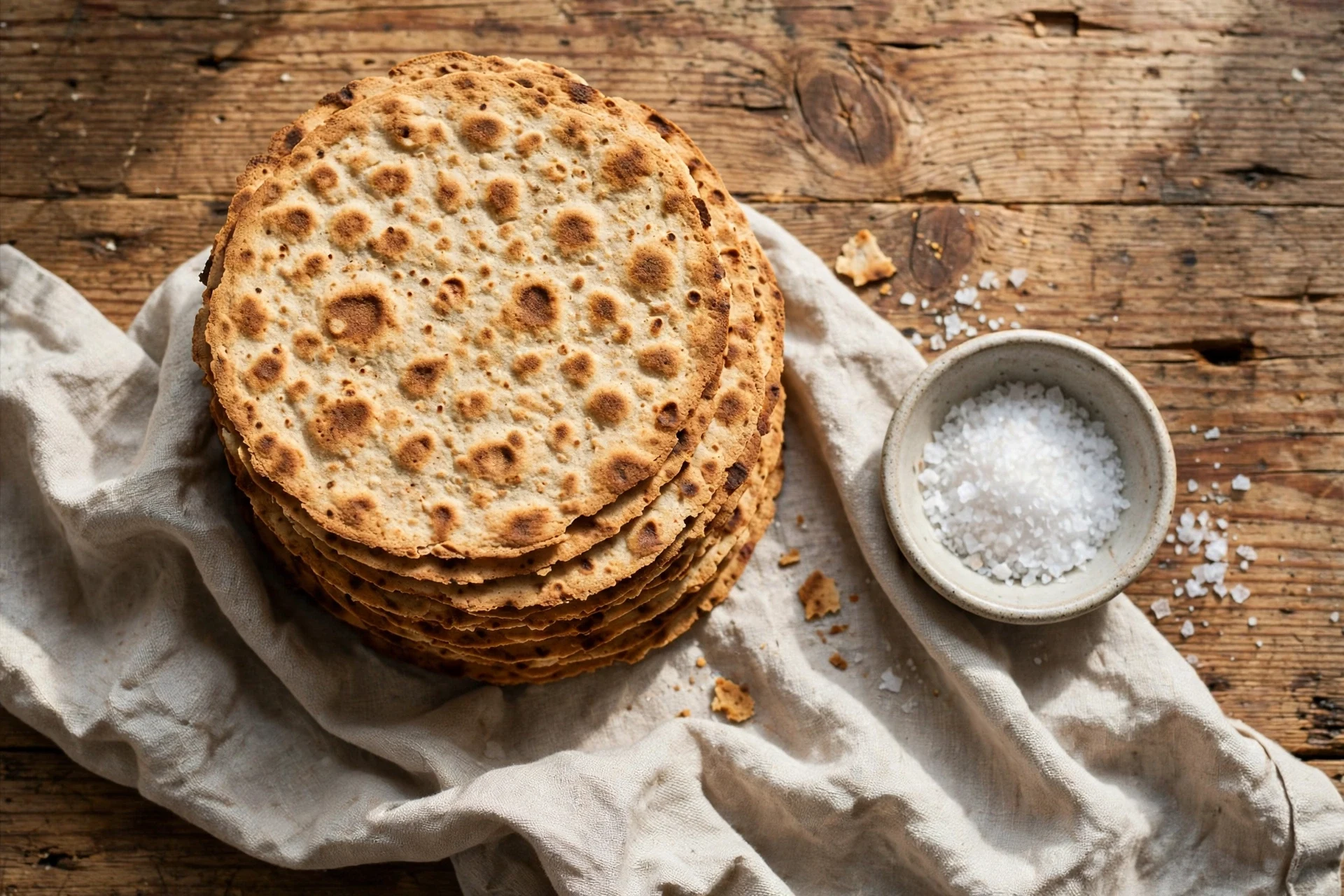
Lefse is the soft, flexible cousin of crisp flatbrod, made from leftover mashed potatoes worked with a little flour. It is more substantial than a crepe but more delicate than a tortilla, and it is best warm from the pan. The classic way to eat it is spread with sweet butter, sprinkled with cinnamon and sugar, and rolled up.
Use starchy potatoes mashed until completely smooth, with no lumps at all. Chill the potato mixture overnight if you can, because cold dough rolls much more easily. Cook each round on a hot dry skillet until pale golden spots appear.
Try this: Chill the mashed potato mixture overnight for the easiest rolling.
You may also like: 22 Gluten-Free Desserts Nobody Will Guess Are Gluten-Free
3. Rye Flour Flatbread
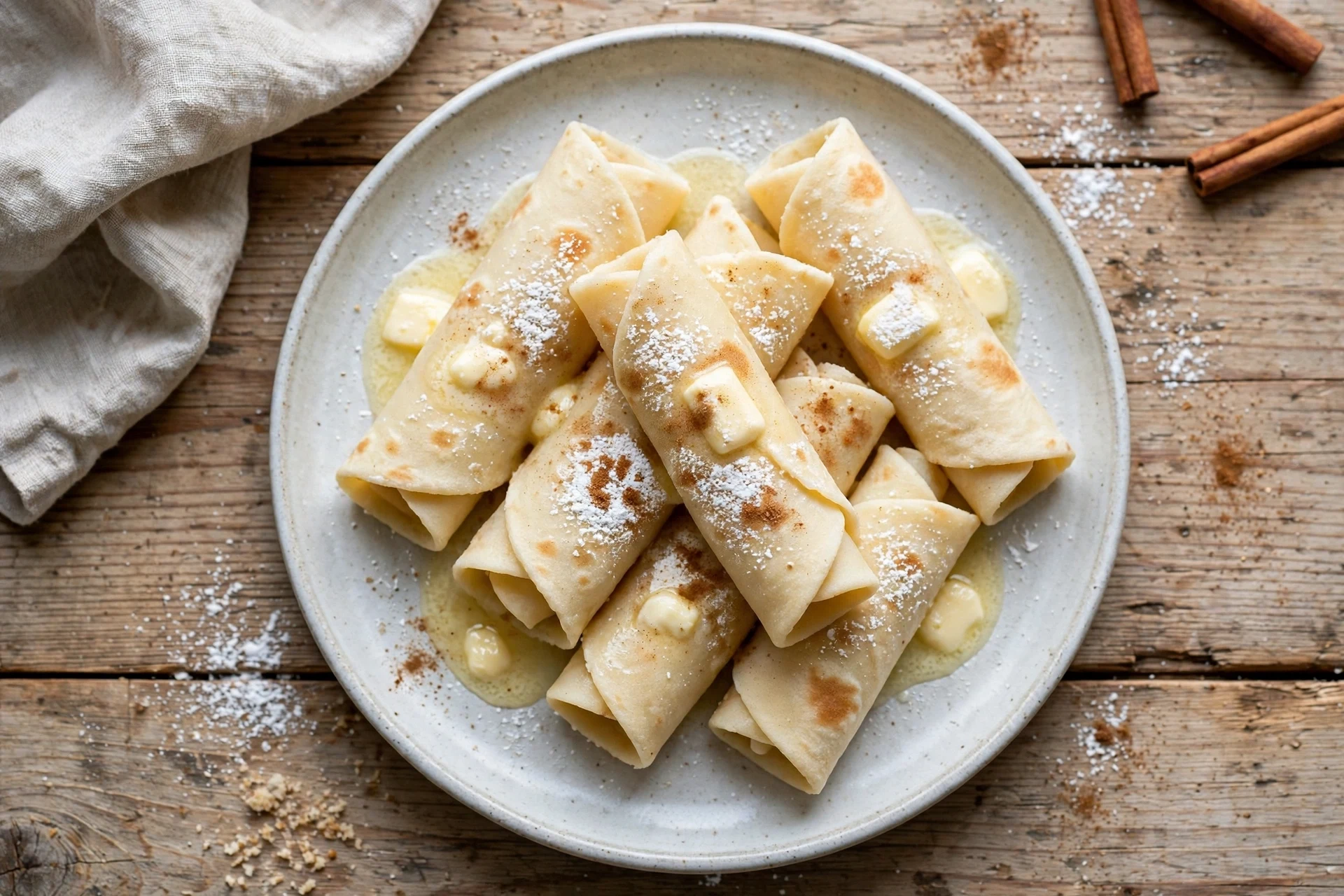
Rye gives flatbread a deeper, earthier flavor and a slightly darker color that looks beautiful on a cheese board. Use rye flour for the dough with a little potato puree for tenderness, and roll it as thin as you can. The result is a cracker that stands up to strong cheese and cured meats.
Rye dough can feel stickier than wheat dough, so flour your surface generously and keep turning the round as you roll. Prick it all over with a fork before cooking so it stays flat and dries evenly.
Try this: Prick each round with a fork so it dries flat instead of puffing.
You may also like: 22 Cozy Christmas Apartment Decor Ideas for Small Spaces
4. Barley Flatbread
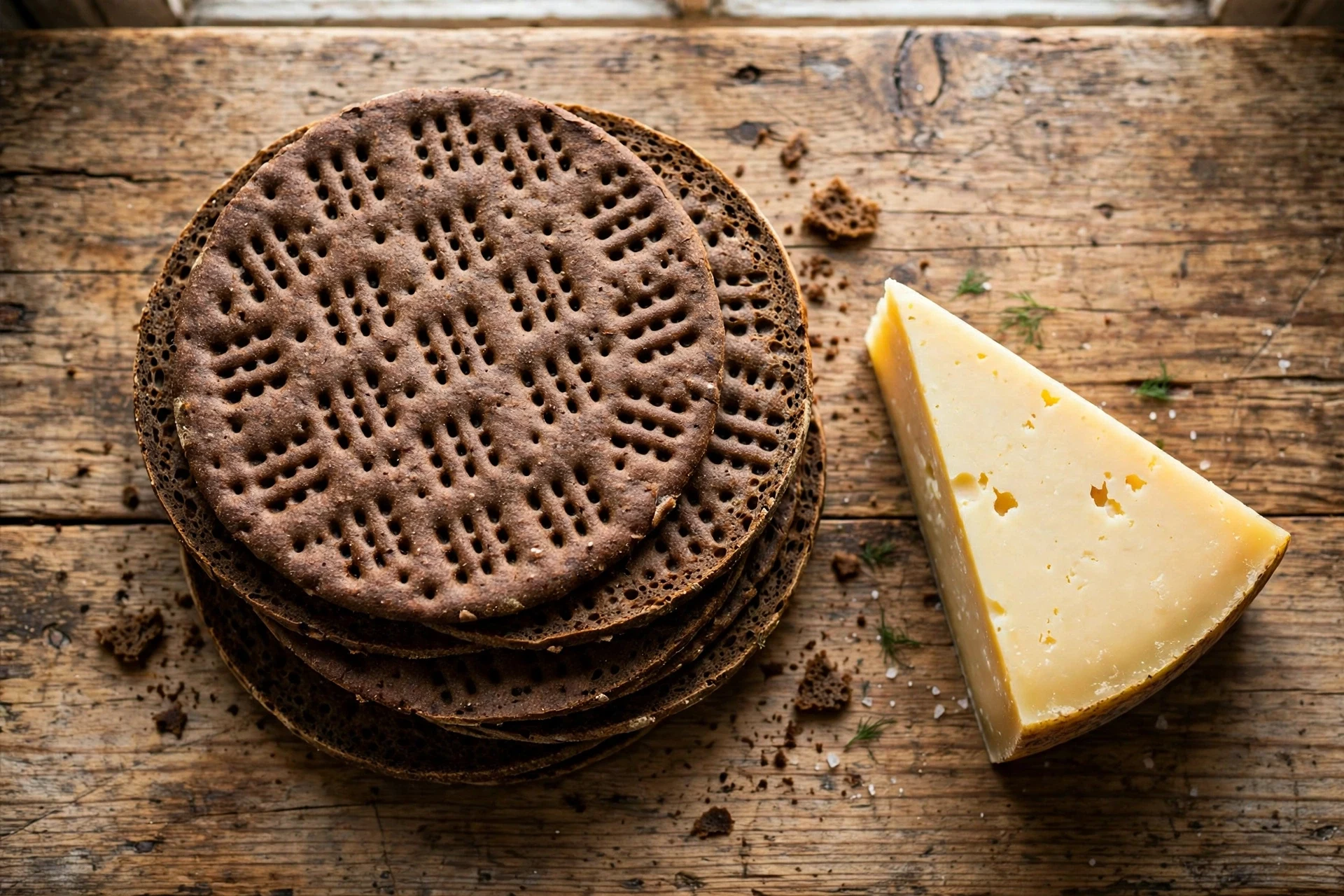
Barley is the oldest flatbread grain in Norway, and it gives a gentle, malty flavor that pairs well with butter and honey. Mix barley flour with a little white flour for a dough that is easier to roll, and cook it the same way as the classic version.
Barley dough tears more easily than wheat dough, so roll slowly and patch any small tears by pressing the edges together. The finished flatbread is a little more rustic looking, which suits it perfectly.
Try this: Roll slowly and patch tears by pressing the dough edges together.
You may also like: 16 Cozy Make-Ahead Breakfasts for Easy Mornings
5. Seeded Flatbread
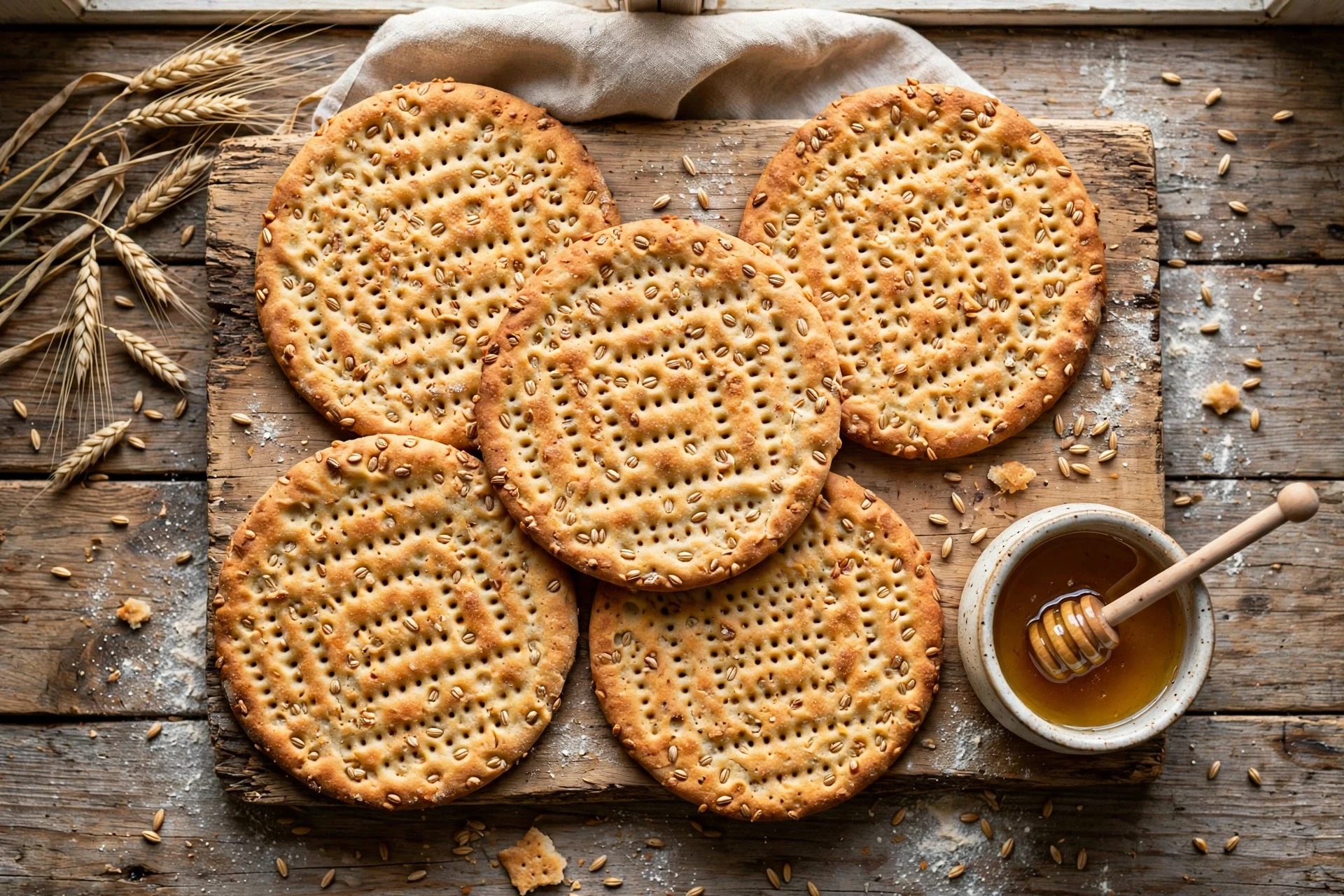
A handful of seeds turns plain flatbread into something worth reaching for on its own. Sesame, flax, and sunflower seeds add crunch and a toasty flavor, and they look lovely pressed into the surface. Mix them into the dough or sprinkle them on top before the final roll.
Press the seeds in gently with the rolling pin so they stick, and brush off loose flour before cooking so the seeds do not burn. These are wonderful broken into pieces for dips.
Try this: Press seeds in with the rolling pin so they stay put while cooking.
You may also like: 22 Gluten-Free Desserts Nobody Will Guess Are Gluten-Free
6. Herbed Flatbread
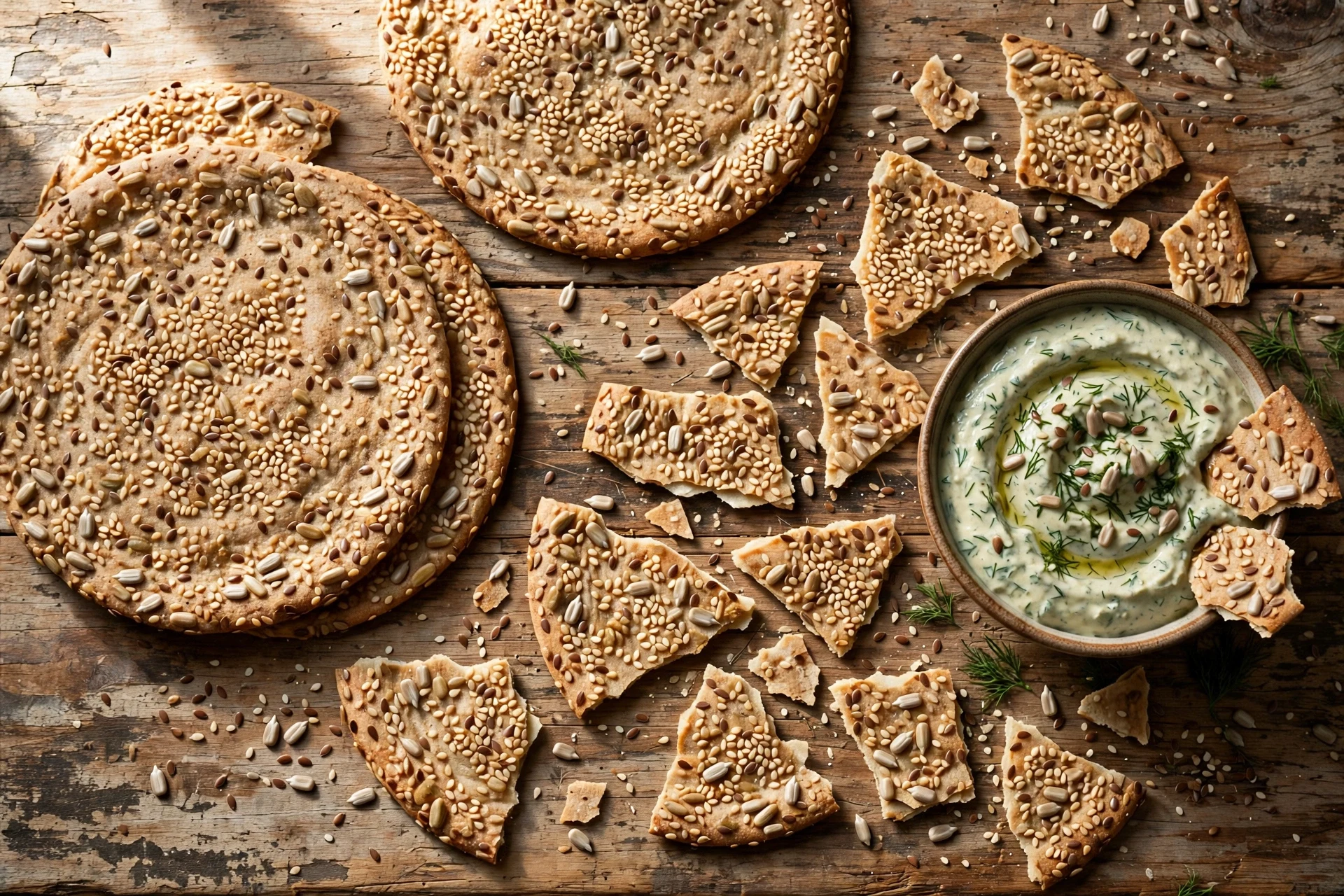
Fresh or dried herbs folded into the dough give flatbread a savory edge that works with soups and salads. Rosemary and thyme are the classic choices, but dill is the most Norwegian of all. Chop the herbs finely so they do not tear the thin dough.
Use about a tablespoon of chopped fresh herbs per batch, or a teaspoon of dried. The herbs darken slightly as the flatbread cooks, which is normal and adds to the flavor.
Try this: Chop herbs finely so they do not tear the thin dough.
You may also like: 22 Cozy Christmas Apartment Decor Ideas for Small Spaces
7. Smoked Salmon Flatbread
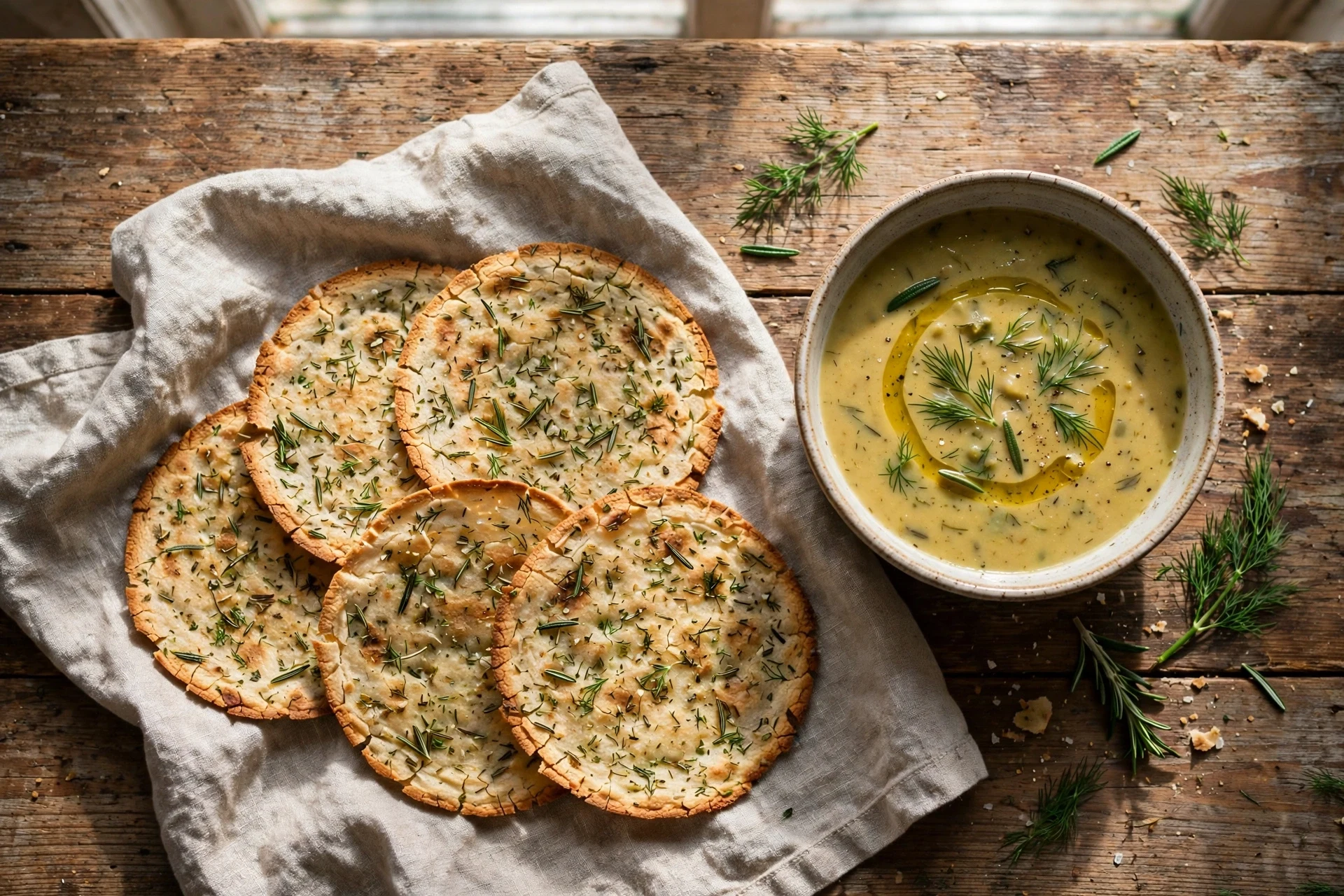
This is the flatbread topping most people dream about. A crisp round, a smear of cream cheese or butter, folds of smoked salmon, a little dill, and a squeeze of lemon. It is elegant enough for a party and easy enough for a weeknight supper.
Keep the flatbread crisp by adding the toppings just before serving. If you need to make it ahead, keep the salmon and the flatbread separate and assemble at the table.
Try this: Assemble just before serving so the flatbread stays crisp.
You may also like: 16 Cozy Make-Ahead Breakfasts for Easy Mornings
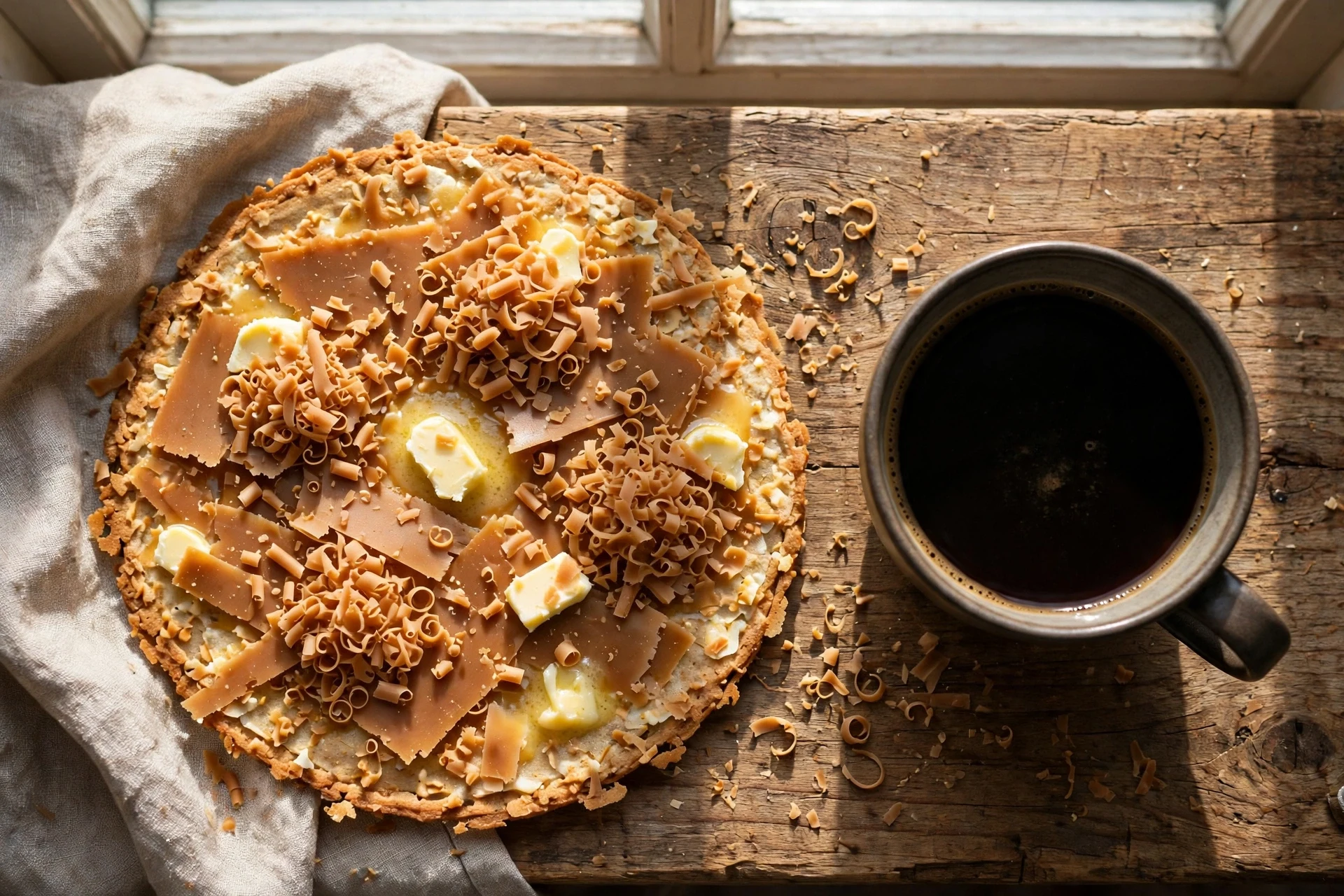
8. Brown Cheese and Butter Flatbread
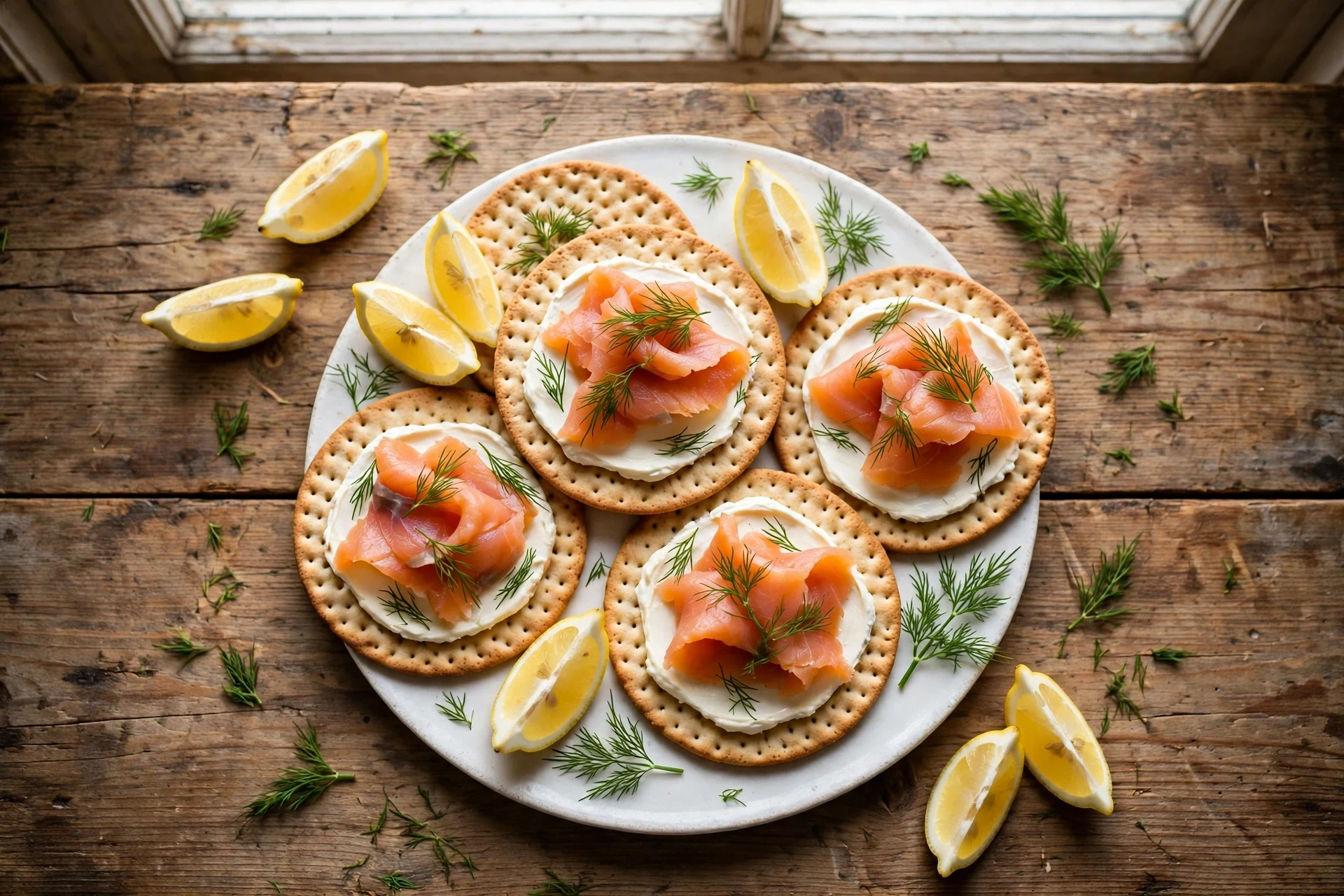
Brown cheese, or brunost, is sweet, caramel-like, and deeply Norwegian, and it melts slightly on warm flatbread in the best way. Spread a thin layer of butter first, then shave the brown cheese over the top. It is a simple, old-fashioned snack that tastes like a winter cabin.
Use a cheese plane to shave the brown cheese thinly, because thick slices overpower the delicate flatbread. A cup of coffee alongside is the traditional pairing.
Try this: Shave brown cheese thinly with a cheese plane.
You may also like: 22 Gluten-Free Desserts Nobody Will Guess Are Gluten-Free
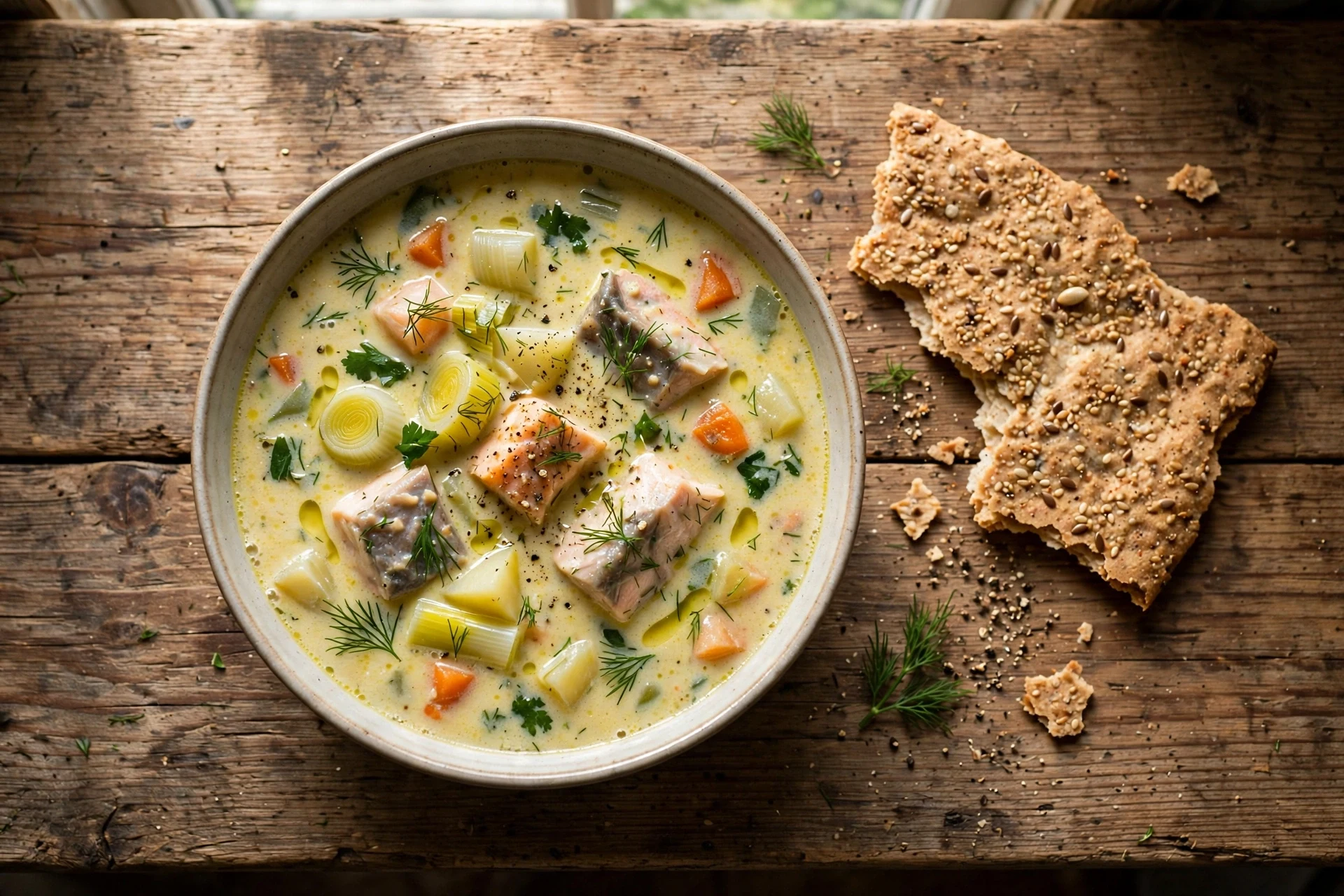
9. Flatbread with Soup
Flatbread was made for soup. It scoops, it dunks, and it soaks up just enough broth without falling apart. Fish soup is the classic partner, but it works just as well with potato soup, pea soup, or a simple vegetable soup.
Break the flatbread into large pieces and lay them beside the bowl rather than in it, so each person can dunk as they like. Keep a second batch warm in the oven for seconds.
Try this: Serve flatbread beside the bowl so it stays crisp until dunked.
You may also like: 16 Cozy Make-Ahead Breakfasts for Easy Mornings
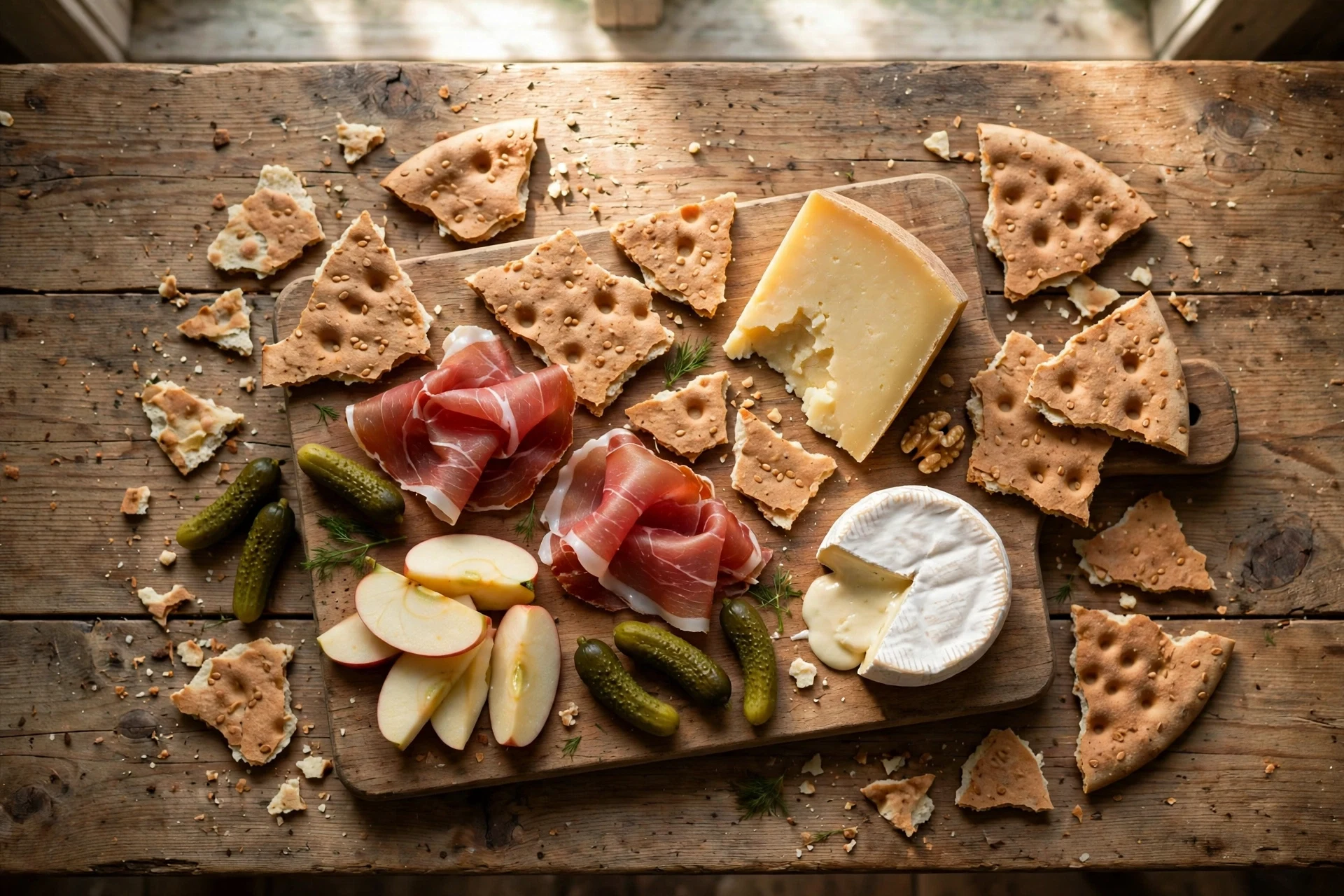
10. Flatbread Cheese Board
A cheese board built around flatbread looks generous and costs very little. Break the flatbread into irregular pieces and pile them next to hard cheese, soft cheese, cured meat, pickles, and apple slices. The flatbread is the neutral crunch that lets everything else shine.
Choose two or three cheeses with different textures, and add something pickled for brightness. A small pot of honey or jam ties the whole board together.
Try this: Add something pickled to brighten a rich cheese board.
You may also like: 22 Cozy Christmas Apartment Decor Ideas for Small Spaces
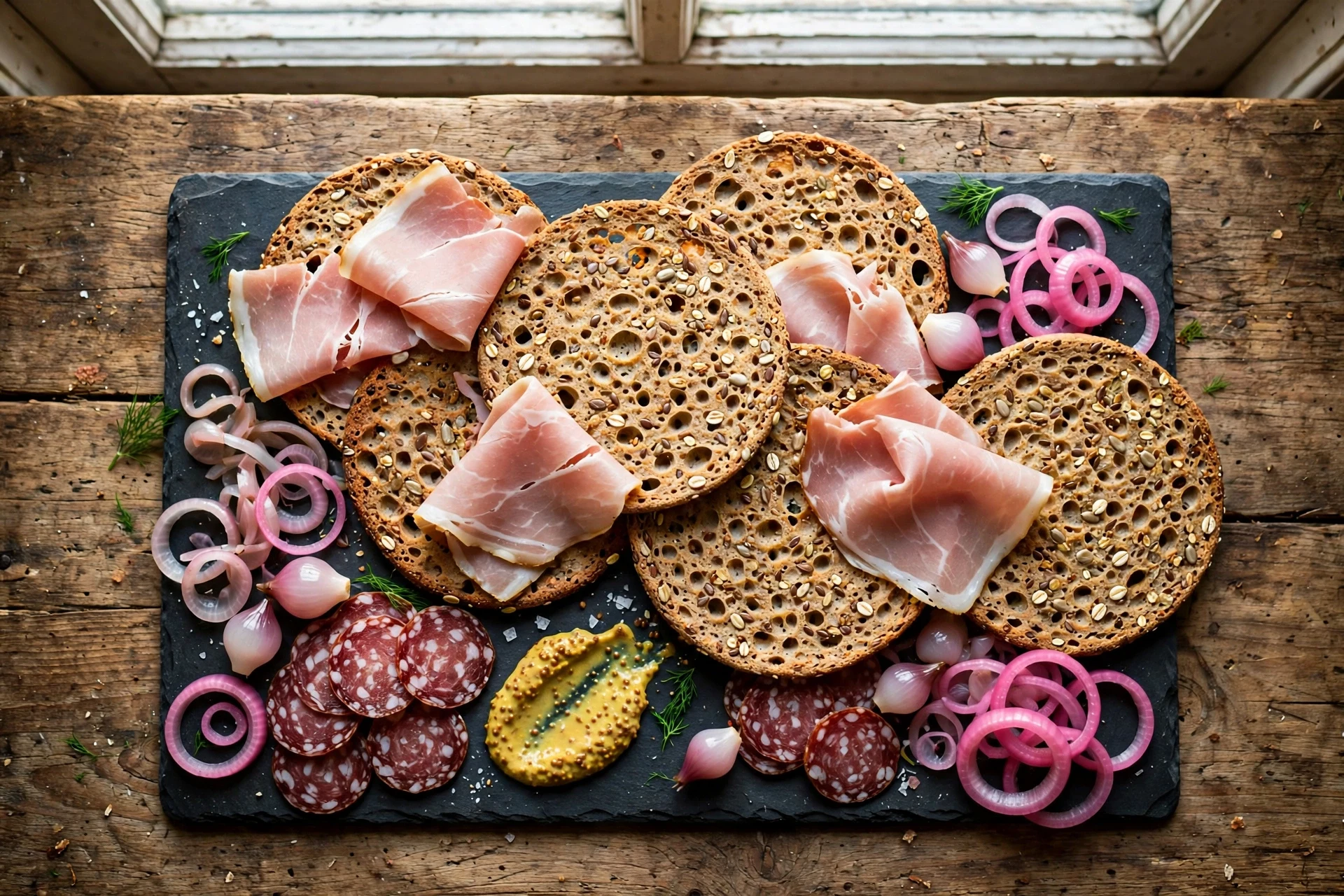
11. Flatbread with Cured Meats
Cured ham, salami, and dried sausage are natural partners for crisp flatbread. The salt and fat of the meat balance the plain, nutty bread, and a little mustard or pickled onion on the side keeps it from feeling heavy.
Slice the meat thinly and let it come to room temperature before serving, because cold cured meat tastes flat. Roll a slice of ham around a strip of flatbread for an easy bite.
Try this: Let cured meat come to room temperature before serving.
You may also like: 16 Cozy Make-Ahead Breakfasts for Easy Mornings
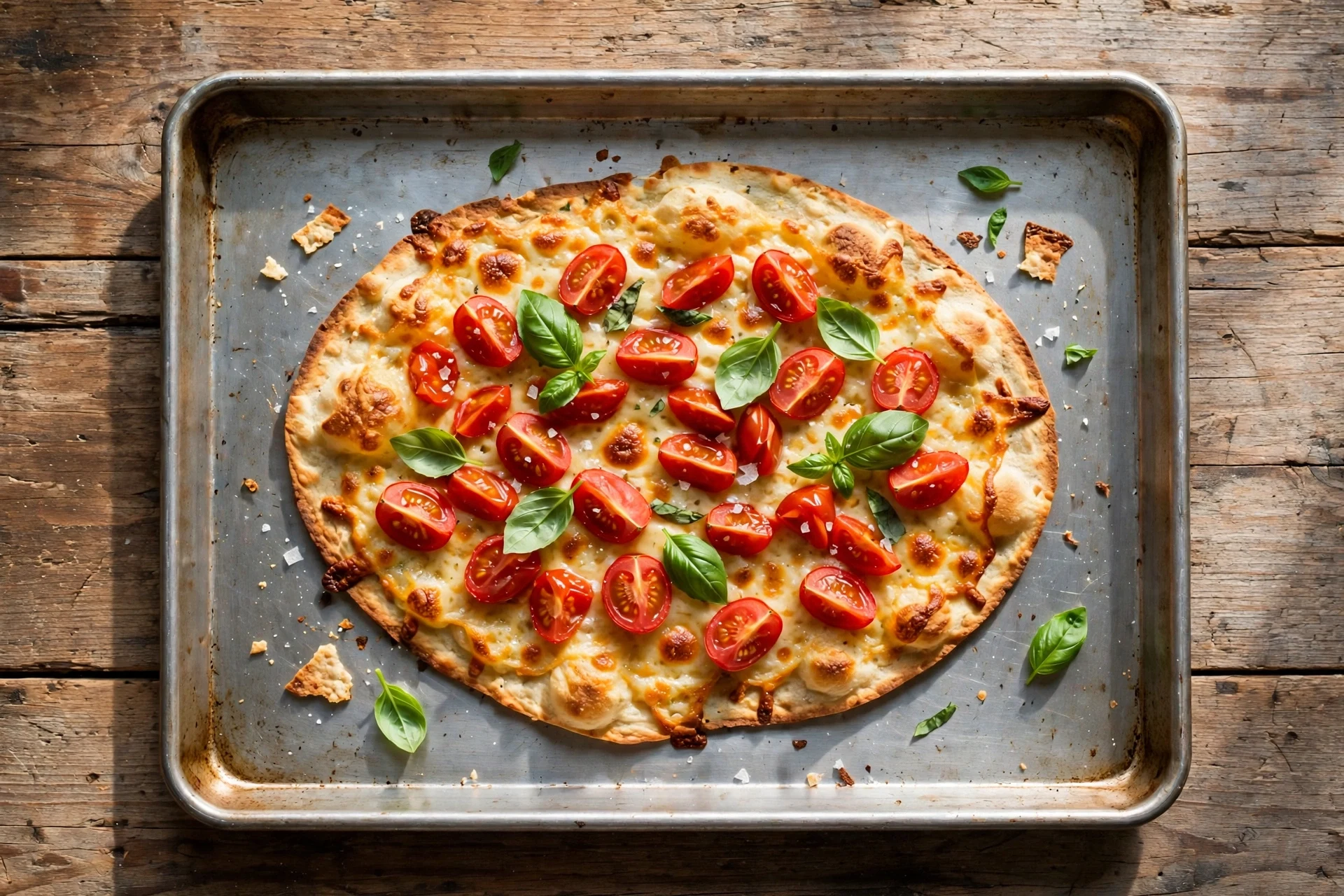
12. Flatbread Pizza Base
Thin flatbread makes a wonderfully crisp pizza base that cooks in minutes. Spread a thin layer of sauce, add cheese and toppings sparingly, and bake until the edges are golden. The key is not to overload it, or the base will soften.
Pre-bake the flatbread for a few minutes before adding toppings, and use less sauce than you think you need. A hot oven, around 425F, gives the best crunch.
Try this: Pre-bake the base before adding toppings.
You may also like: 22 Gluten-Free Desserts Nobody Will Guess Are Gluten-Free
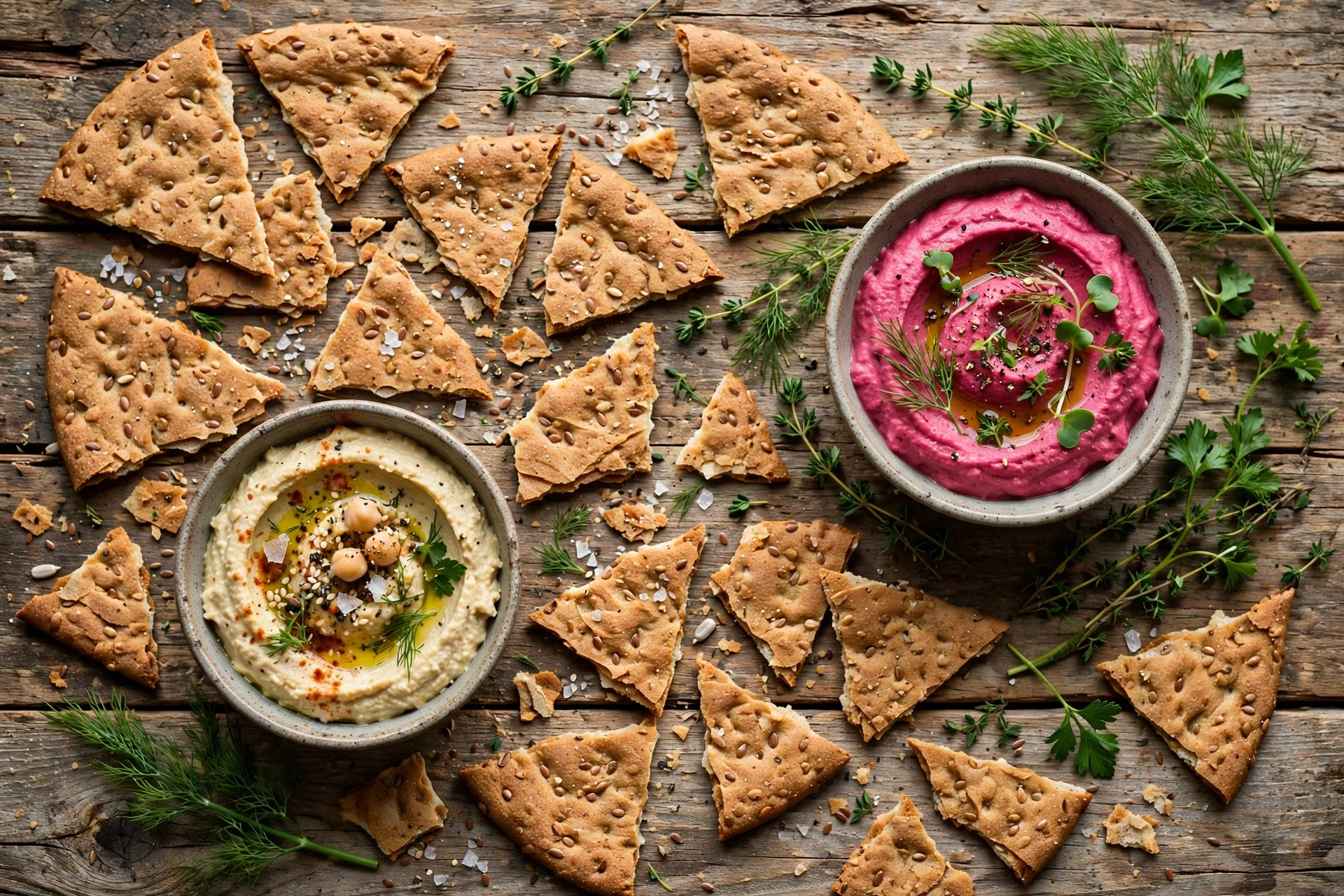
13. Flatbread with Dips
Hummus, whipped feta, beet dip, or a simple yogurt and herb dip all work beautifully with broken flatbread. The flatbread is sturdier than a chip, so it can handle thick dips without snapping in the bowl.
Break the flatbread into wide triangles rather than small shards, so each piece is a proper scoop. Serve two dips with different colors for a pretty table.
Try this: Break flatbread into wide triangles for sturdy dipping.
You may also like: 16 Cozy Make-Ahead Breakfasts for Easy Mornings
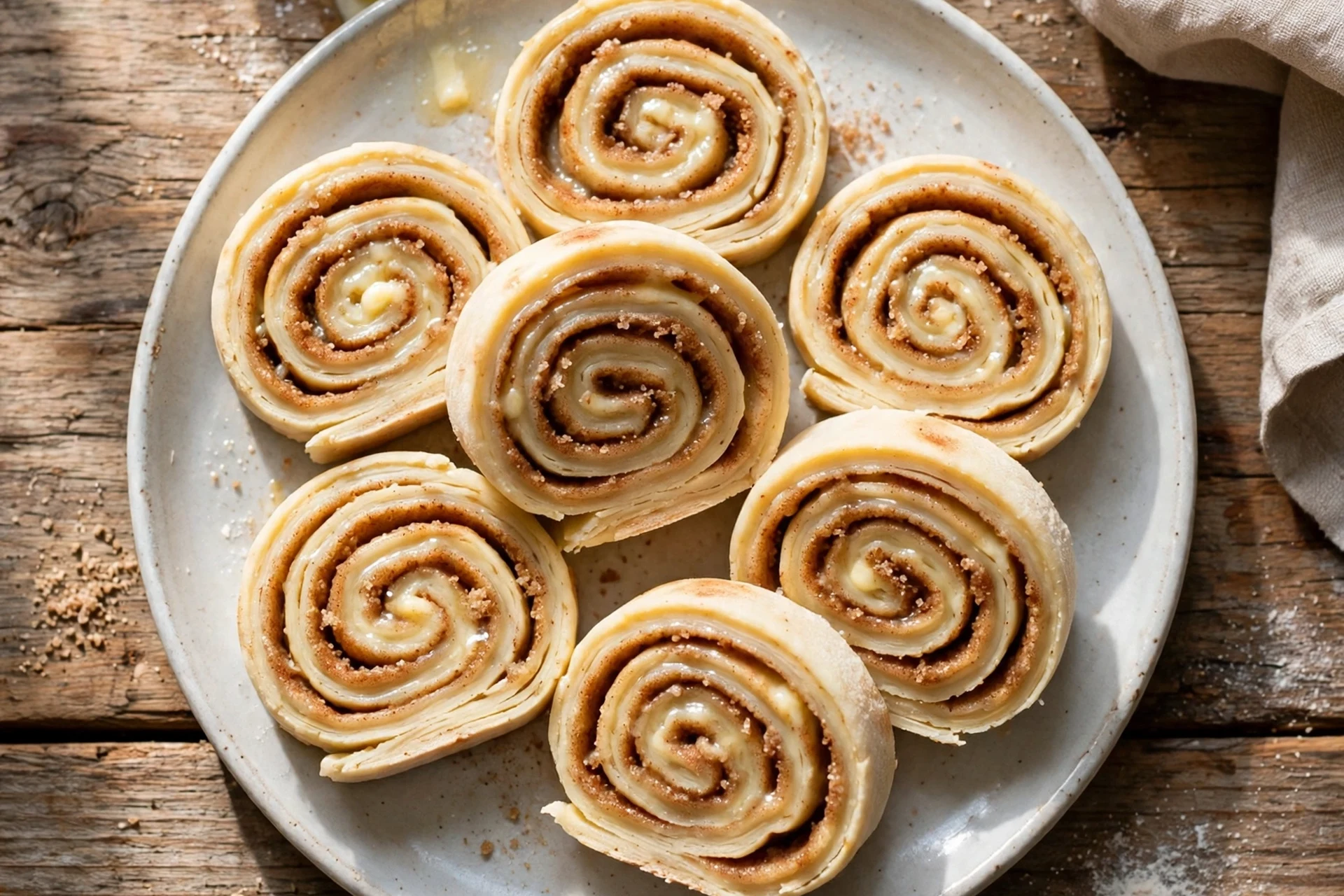
14. Cinnamon Sugar Lefse Rolls
This is the way most Norwegian families eat lefse, and it is hard to beat. Spread warm lefse with soft butter, sprinkle generously with cinnamon and sugar, and roll it up tight. Slice the roll into rounds for serving, or eat it whole, still warm, standing at the counter.
Spread the butter while the lefse is still warm so it melts into the surface. Use real butter, not margarine, because the flavor is the whole point here.
Try this: Butter the lefse while it is still warm.
You may also like: 22 Gluten-Free Desserts Nobody Will Guess Are Gluten-Free
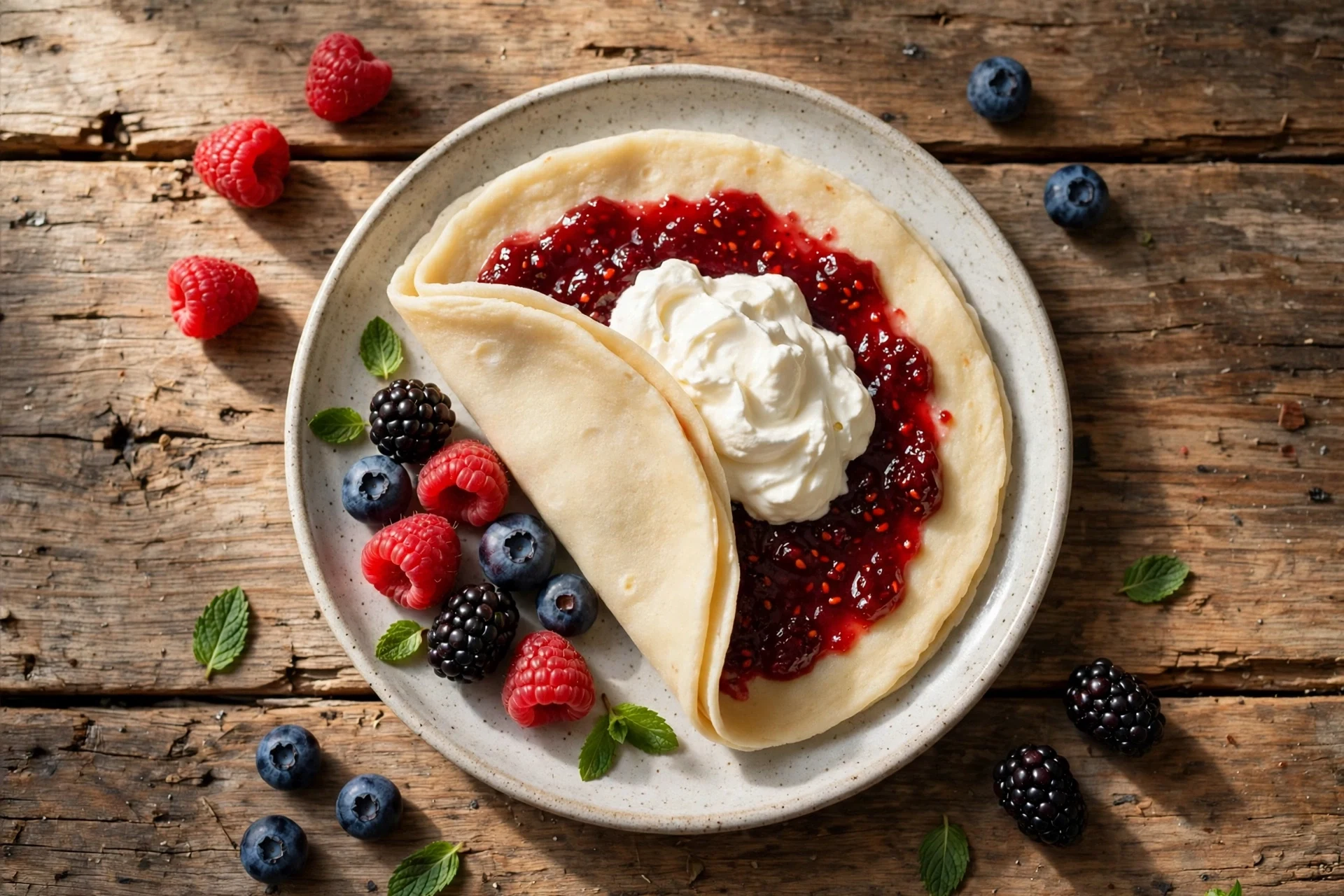
15. Lefse with Jam and Cream
Lefse spread with cloudberry or strawberry jam and a spoonful of whipped cream is a simple dessert that feels special. The soft flatbread wraps around the filling, and the jam soaks in just enough to make every bite sweet and tender.
Warm the lefse briefly before filling it so it stays flexible. Cloudberry jam is the traditional choice, but any good berry jam works.
Try this: Warm lefse briefly so it folds without cracking.
You may also like: 16 Cozy Make-Ahead Breakfasts for Easy Mornings
16. Lefse Breakfast Wraps
Lefse makes a lovely breakfast wrap. Fill it with scrambled eggs, cheese, and herbs, or with smoked salmon and cream cheese for a fancier start to the day. The soft flatbread holds together well and is easier to eat than toast on a busy morning.
Fill the lefse while it is warm and roll it snugly, tucking in the ends. Wrap it in parchment if you are taking it on the go.
Try this: Roll breakfast wraps snugly and tuck in the ends.
You may also like: 22 Gluten-Free Desserts Nobody Will Guess Are Gluten-Free

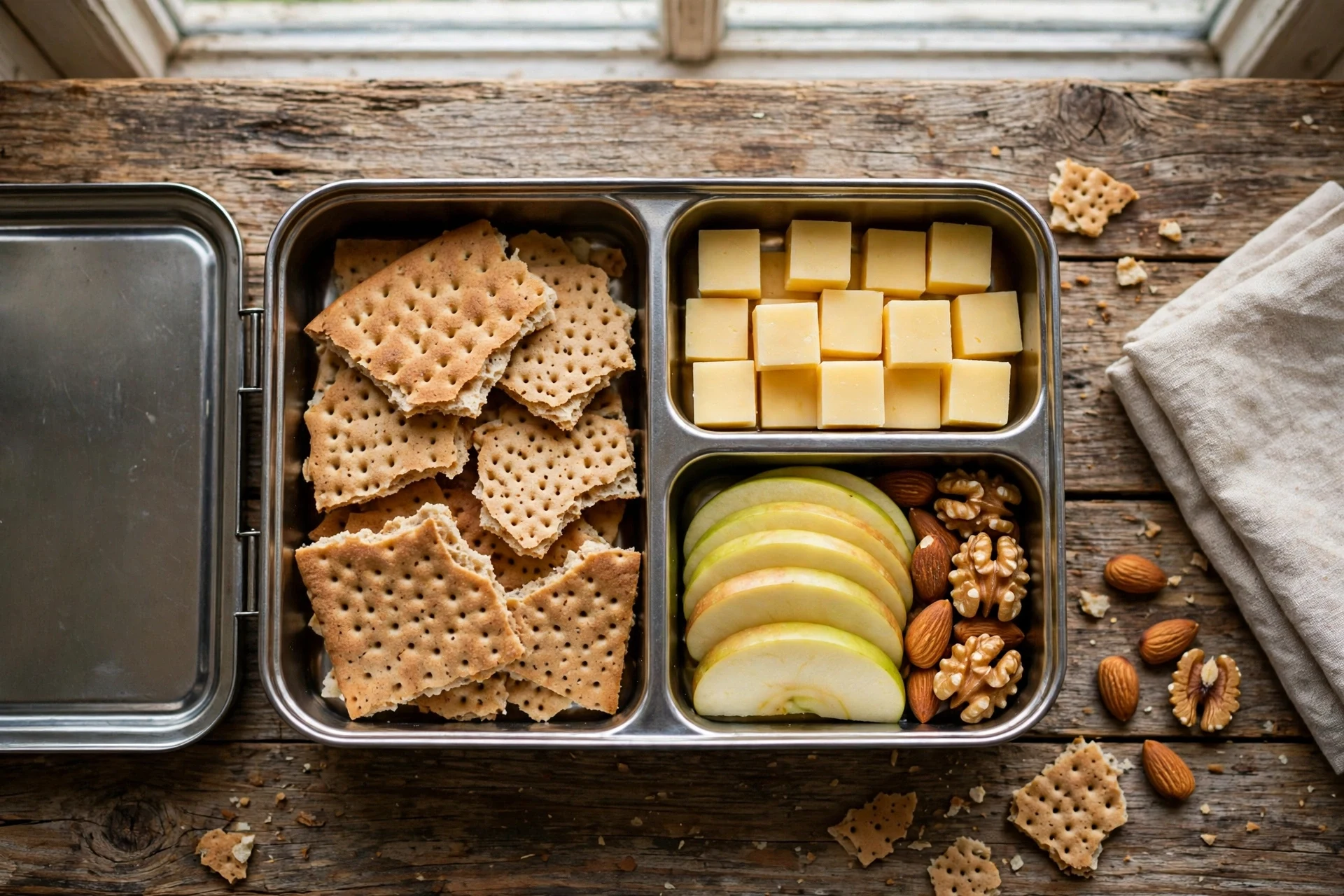
17. Flatbread Crackers for Lunchboxes
Break crisp flatbread into lunchbox-sized pieces and pack them with cheese, apple slices, and a few nuts. They travel better than crackers from a box, they stay crisp for hours, and they make a packed lunch feel homemade.
Pack the flatbread in a separate small container or bag so it does not pick up moisture from fruit or cheese. A little pot of peanut butter is a good extra.
Try this: Pack flatbread separately so it stays crisp.
You may also like: 16 Cozy Make-Ahead Breakfasts for Easy Mornings
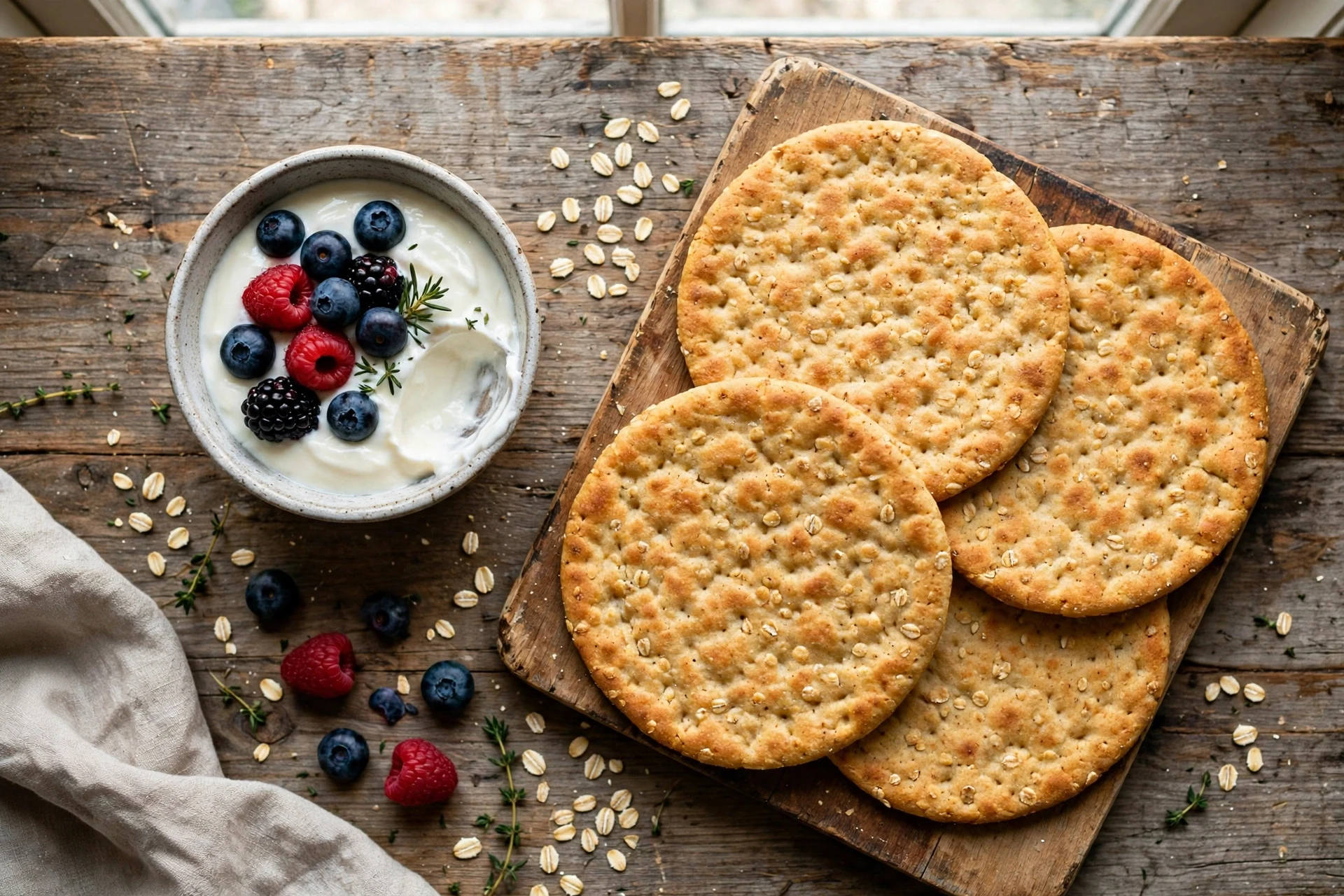
18. Oat Flatbread
Oat flour gives flatbread a softer crumb and a gentle, toasty flavor. Mix oat flour with wheat flour for a dough that rolls easily, and cook it the same way as the classic. It is a good choice if you want a slightly heartier flatbread for breakfast.
Oat dough can feel soft and a little sticky, so rest it for 15 minutes before rolling and flour the surface well. The finished flatbread is golden and lightly sweet.
Try this: Rest oat dough 15 minutes before rolling.
You may also like: 22 Gluten-Free Desserts Nobody Will Guess Are Gluten-Free
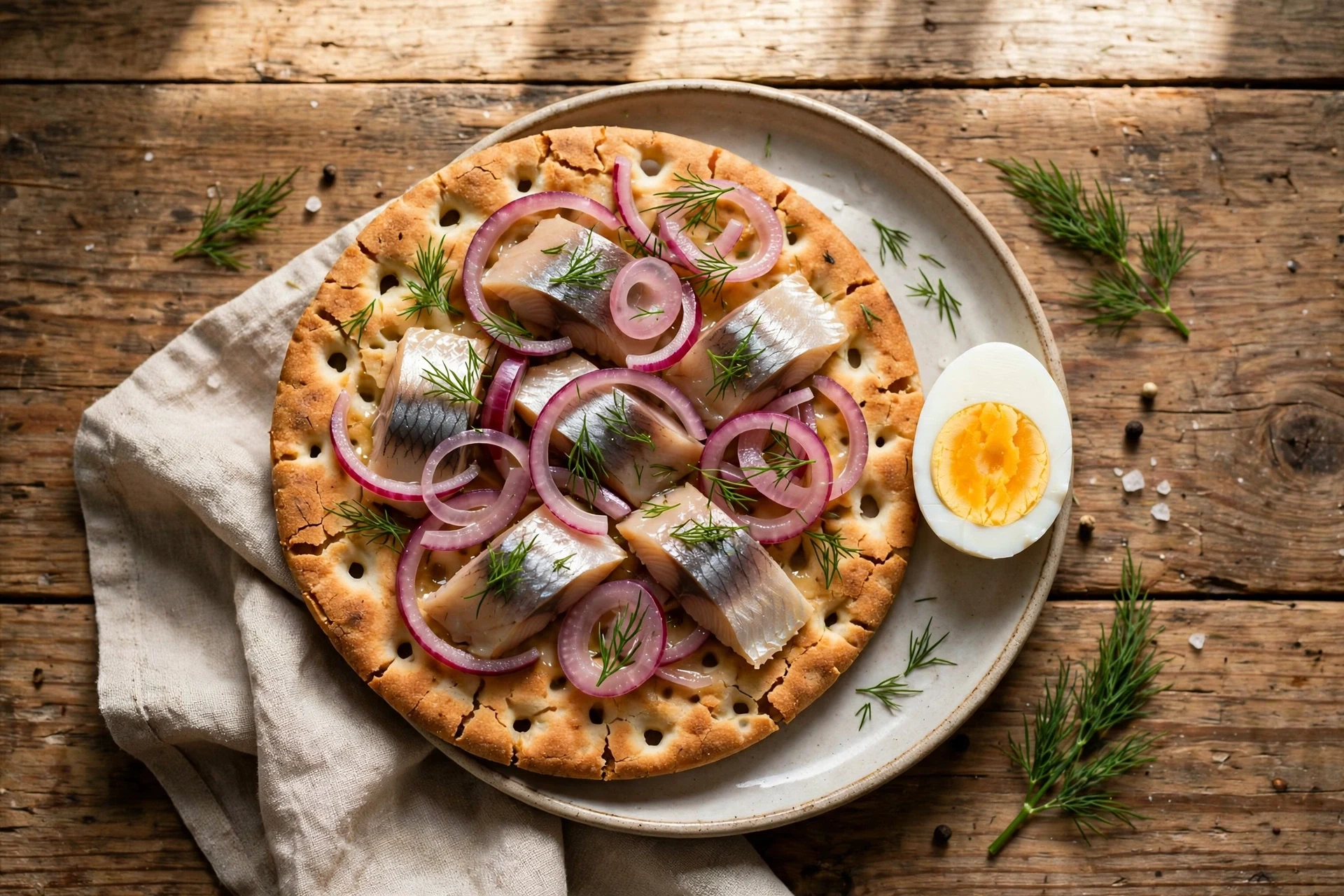
19. Flatbread with Pickled Herring
Pickled herring on crisp flatbread is a classic Scandinavian open sandwich. A piece of herring, a little pickled onion, and a sprig of dill on a buttered flatbread is salty, sharp, and satisfying. It is the kind of lunch that tastes like the sea.
Use a thin smear of butter as a barrier so the herring brine does not soften the flatbread. Serve with a boiled egg and rye bread on the side for a full lunch.
Try this: Butter the flatbread first so brine does not soften it.
You may also like: 16 Cozy Make-Ahead Breakfasts for Easy Mornings
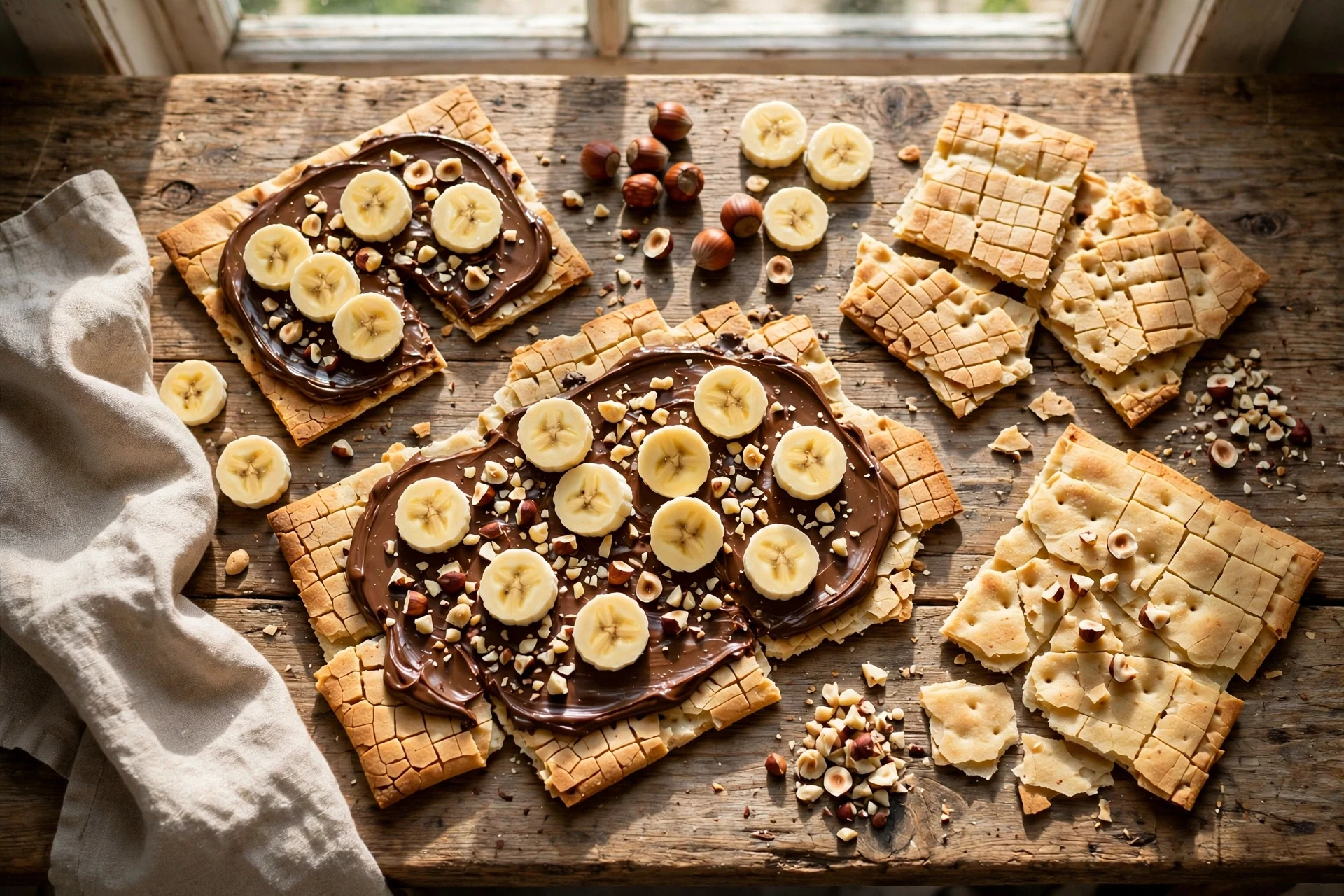
20. Chocolate and Hazelnut Flatbread
Crisp flatbread spread with chocolate hazelnut spread and topped with sliced banana or strawberries is a dessert that children love and adults secretly love too. The crunch of the flatbread against the creamy chocolate is a lovely contrast.
Spread the chocolate while the flatbread is at room temperature, not warm, or it will melt and slide off. A sprinkle of chopped hazelnuts on top adds crunch.
Try this: Spread chocolate at room temperature so it stays put.
You may also like: 22 Gluten-Free Desserts Nobody Will Guess Are Gluten-Free
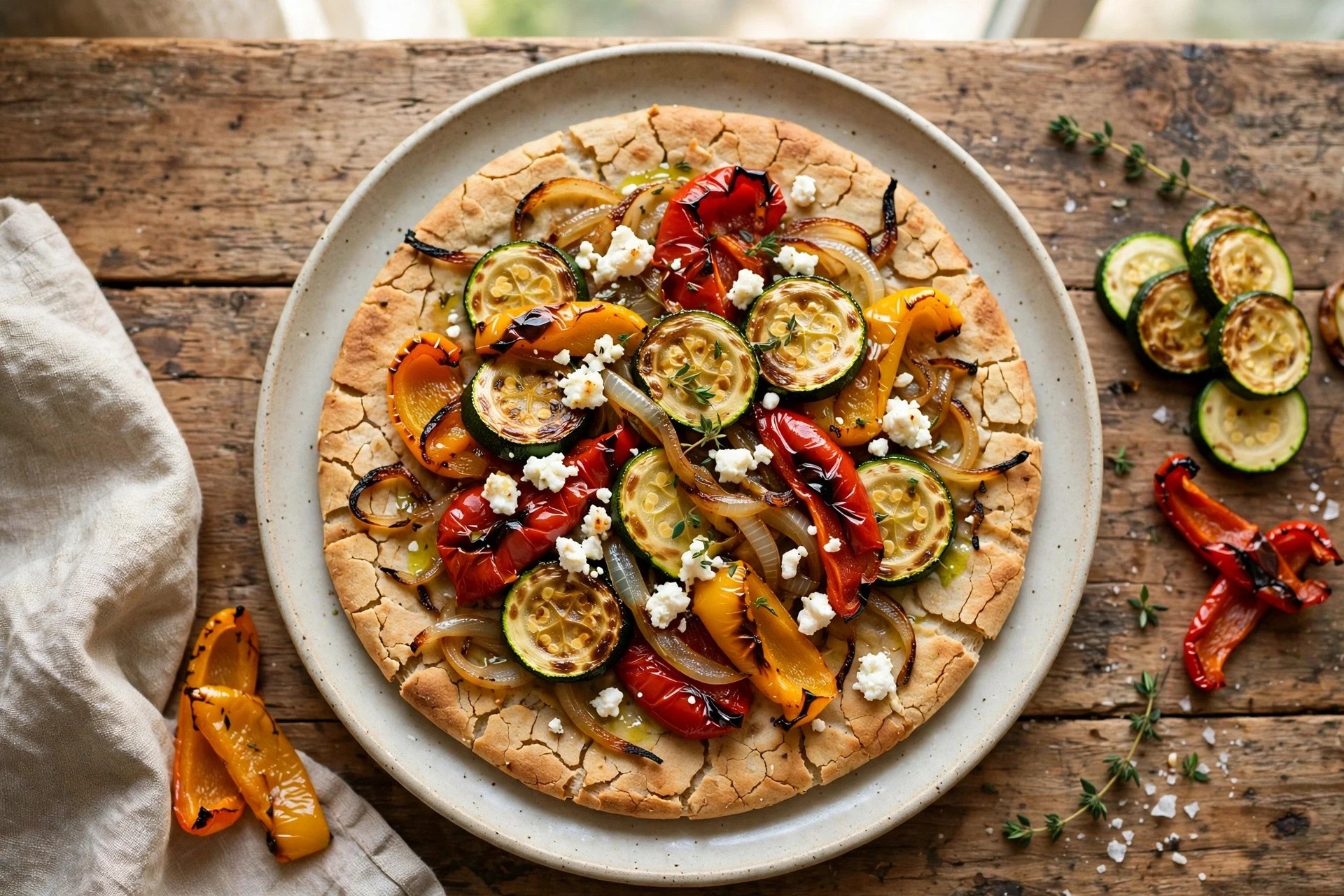
21. Flatbread with Roasted Vegetables
Roasted vegetables piled on crisp flatbread make a light, colorful lunch. Roast peppers, zucchini, and onions until soft and sweet, then spoon them over flatbread with a crumble of feta. It is an easy way to use up leftover roast vegetables.
Let the vegetables cool slightly before spooning them on, so the steam does not soften the flatbread. A drizzle of good olive oil finishes it.
Try this: Let roasted vegetables cool slightly before topping.
You may also like: 16 Cozy Make-Ahead Breakfasts for Easy Mornings
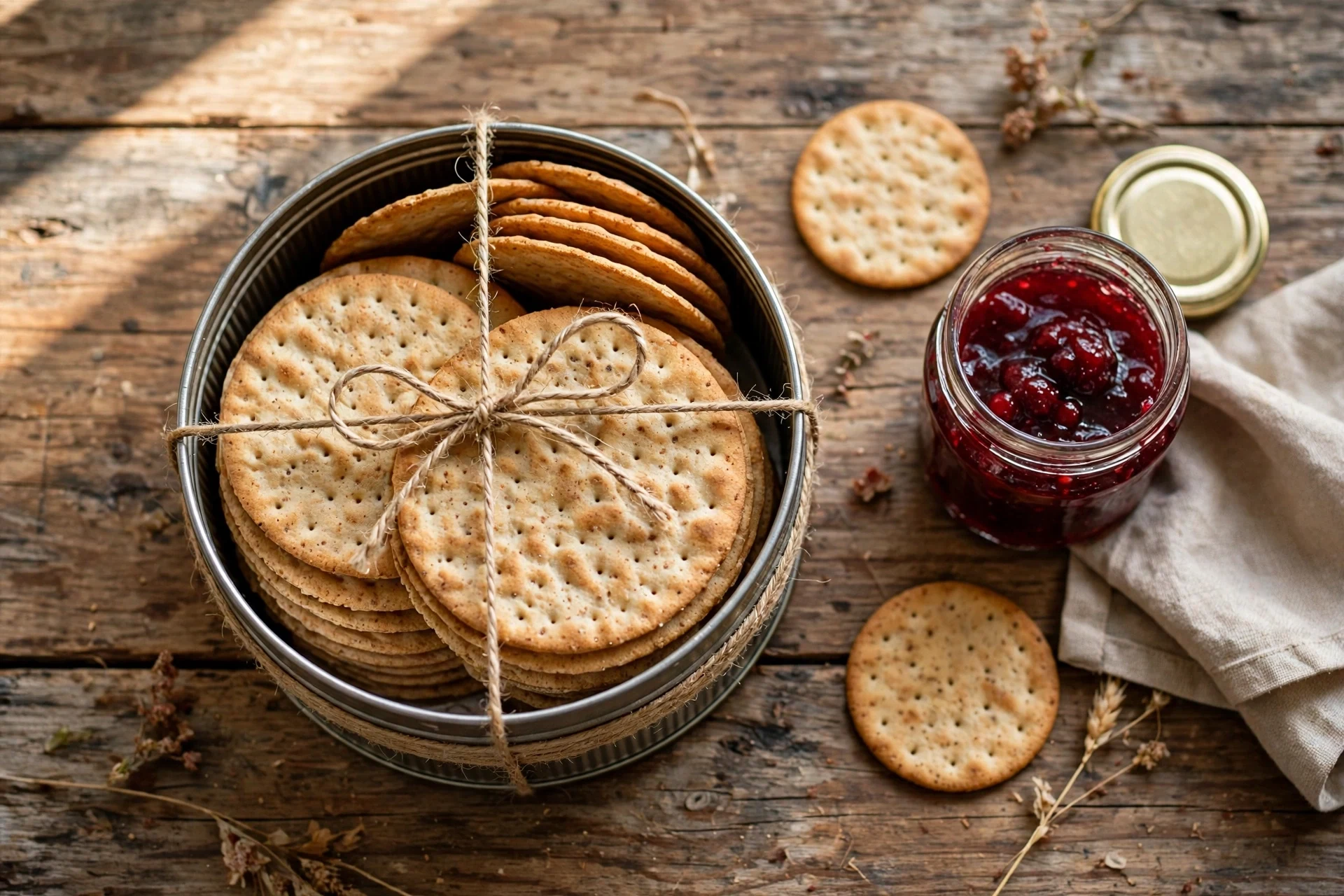
22. Make-Ahead Flatbread Gift Tin
A tin of homemade flatbread is a thoughtful, old-fashioned gift. Stack the rounds with parchment between them, tie the tin with twine, and add a small jar of jam or a wedge of cheese. It keeps for weeks, so it is a gift that does not need to be used the same day.
Make sure the flatbread is completely cool and crisp before packing, and include a little card with serving ideas. A mix of plain, seeded, and herbed rounds makes the tin feel generous.
Try this: Pack flatbread only when completely cool and crisp.
You may also like: 22 Cozy Christmas Apartment Decor Ideas for Small Spaces
The 1-2-3 Norwegian Flatbread Method
1
1. Mix and knead the dough.
Stir warm water and salt into whole wheat flour until a dough forms, then knead for about 5 minutes until it is soft and smooth. Divide it into 7 or 8 balls and keep them covered while you work.
2
2. Roll thin and cook fast.
Flour the surface well, roll each ball from the center outward, turning and flipping often, until it is paper thin. Cook on a hot dry griddle for 1 to 2 minutes per side, until brown spots appear.
3
3. Dry, cool, and serve.
Move each flatbread to a baking sheet in a low oven to dry, then cool completely on a rack. Serve with butter, cheese, smoked salmon, soup, or dips, and store the rest airtight at room temperature.
At a Glance
Do This, Not That
| Do This | Not That |
|---|---|
| Roll the dough paper thin, about 1/16 inch. | Roll it thick like a tortilla, it will stay soft and chewy. |
| Cook on a hot, dry griddle with no oil. | Cook on a cool, oiled pan, it will fry instead of drying. |
| Dry flatbreads in a low oven while you cook the rest. | Stack hot flatbreads in a pile, they will steam and soften. |
| Cool flatbreads fully on a rack before storing. | Store them while still warm, trapped moisture ruins the crunch. |
| Rest the dough 10 to 15 minutes if it springs back. | Fight the dough and tear it, thin patches cook unevenly. |
| Chill potato dough overnight for easy lefse rolling. | Roll warm potato dough, it will stick and tear. |
| Add toppings just before serving. | Top flatbread hours ahead, it will go soggy. |
| Wipe burnt flour from the pan between batches. | Leave burnt flour in the pan, the next batch tastes bitter. |
| Store crisp flatbread airtight at room temperature. | Store it in the fridge, it picks up moisture and softens. |
| Use whole wheat flour for the classic nutty flavor. | Use only white flour, the flavor turns flat and bland. |
Your Norwegian Flatbread Plan
If you want a full Nordic meal around your flatbread, here is the easy plan. The day before: make the crisp flatbread and store it airtight, and make any dips or pickled vegetables. The morning of: make soft lefse if you want it, and set out cheese, smoked salmon, and butter. One hour before: warm the soup, slice the cheese, and lay the flatbread on a board. At the table: put the flatbread in the middle so everyone can break off pieces, and keep a second batch in the oven to stay crisp. After the meal: pack leftover flatbread back into the tin, it keeps for weeks, and save any leftover lefse for breakfast with jam.
Take It Further
- Make a double batch of crisp flatbread and keep a tin on the counter for soup nights.
- Try one new flour each month, rye, barley, or oat, and note which one you like best.
- Keep a jar of pickled red onions in the fridge, they lift every smoked salmon flatbread.
- Freeze leftover mashed potatoes in portions so lefse is a 20 minute job next time.
- Serve flatbread with a simple fish soup on a cold night and see how fast it disappears.
- Buy a grooved rolling pin if you make flatbread often, it keeps the thickness even.
- Pack broken flatbread pieces into lunchboxes with cheese and apple slices.
- Teach a friend the rolling trick, thin dough is easier to learn by watching than by reading.
Norwegian Flatbread Cheat Sheet
1
Classic flatbrod: whole wheat flour, water, salt, nothing else
2
Target thickness: 1/16 inch, about 1 to 2 mm
3
Cook: hot dry griddle, 1 to 2 minutes per side
4
Finish: low oven at 200F to dry, then cool fully on a rack
5
Storage: airtight container at room temperature, keeps for weeks
6
Soft again? A few minutes in a low oven brings back the crunch
7
Lefse: potato dough, soft and flexible, best the same day
8
Best partners: butter, brown cheese, smoked salmon, soup, dips
9
Resting dough: 10 to 15 minutes if it springs back while rolling
10
No special pan needed: a large nonstick skillet works fine
Questions People Ask
No, although both are Norwegian flatbreads, they are different. Flatbrod is traditionally very thin, dry, and crisp, while lefse is soft and flexible and is often made with potatoes. Flatbrod keeps for weeks, while lefse is best eaten the same day it is made.
It is usually too thick or still holds moisture. Roll the dough thinner, cook it thoroughly on a hot griddle, and let the flatbreads dry in a low oven. They also become crisper as they cool, so let them cool completely on a rack before storing.
You can replace some of the whole wheat flour with all-purpose flour, but the flatbread will have a milder flavor and may need slightly less water. For the best flavor and the classic nutty taste, stick with whole wheat flour.
Crisp flatbread keeps for weeks in an airtight container at room temperature, as long as it is completely cool and dry before storing. If a piece loses its crunch, a few minutes in a low oven brings it back.
Start with the classic crisp flatbrod this week. Roll it thin, cook it hot, and dry it in the oven. Once you hear that snap, you will understand why Norwegian families have kept this bread around for centuries. Then try the lefse, because butter, cinnamon, and sugar on a warm soft flatbread is a small joy worth having.