Too Long; Didn’t Read
Winter is the best season to change your hair color, and the searches prove it. Winter hair colors peak in November and December every year, then fall close to zero in spring and summer, so a guide like this is at its best right now, in the middle of the peak. The 22 shades below run from jet black to icy blonde, grouped so you can find your match fast. Pick by your skin tone and by how much upkeep you will actually do, not by the photo alone. Dark shades fade faster than people expect, and light shades need toning to stay cool. The safest move is a shift of one or two shades from your natural color, with a gloss or a shadow root to make the grow-out gentle.
One honest note before you start. You will see the phrase winter 2027 hair color trends all over the internet right now, but it has no real search volume behind it. People search for winter hair colors, not for a 2027 label. This guide is about winter hair colors for this winter, at their best in the November and December peak, not a forecast of next year’s trends.
What's Inside This Guide
ToggleThe November I Went Too Dark
My cousin went dark one November, and I mean really dark. She had warm medium brown hair, the kind that turns golden in the sun, and she walked into the salon with a photo of jet black hair and asked for exactly that. The stylist warned her twice. Black is the hardest color to live with if your skin is warm, she said, because it can make warm skin look tired. My cousin smiled and said she wanted drama. She got it.
For two weeks it looked incredible. Then the roots started to show, the black started to fade into a flat grey brown at the ends, and her face looked washed out in every photo. She spent the next three months growing it out and covering the roots with a root spray every few days. The color was not the problem. The match was.
That is what this guide is about. These 22 winter hair colors are not ranked by how dramatic they look in a photo. They are picked by who they suit, how much work they take, and how they fade. Every shade below tells you who it flatters, what to ask for at the salon, how to keep it looking good, and what it looks like three weeks later when the shine wears off. The winter hair color ideas here cover the full range, from the darkest darks to the iciest blondes, and the winter hair color trends that actually matter are the ones people keep coming back to every November.
Winter hair trends change a little each year, but the shades that work in winter stay steady. Dark colors look richer against pale winter skin and dark coats. Warm browns glow under low winter light. Coppers and reds pick up the warmth that winter takes away. And icy blondes look their best in cold, bright light, when the sun is low and the sky is pale. The trick is picking the shade that fits your skin and your life, not the shade that fits the season’s mood board.
What’s Inside This Guide
- The 3 Things That Decide Whether a Winter Color Works
- Group 1: The Darks (Shades 1 to 5)
- Group 2: The Warm Browns (Shades 6 to 10)
- Group 3: The Coppers and Reds (Shades 11 to 14)
- Group 4: The Icy Blondes (Shades 15 to 19)
- Group 5: The Finishing Shades (Shades 20 to 22)
- The 1-2-3 Winter Color Method
- At a Glance
- Do This Not That
- Your Winter Hair Color Weekend Plan
- Take It Further
- Stylist’s Cheat Sheet
- Questions People Ask
The 3 Things That Decide Whether a Winter Color Works
Before you pick a shade, these three things decide almost everything.
1. Your undertone matters more than the shade name. Warm skin has golden, peachy, or yellow undertones, and it looks best with warm shades like chestnut, copper, and golden brown. Cool skin has pink or blue undertones, and it looks best with cool shades like ash brown, icy blonde, and deep plum. A shade that fights your undertone will make you look tired even when the color itself is beautiful. Hold a piece of gold jewelry and a piece of silver jewelry against your wrist in daylight. If gold looks better, you are warm. If silver looks better, you are cool. That one test saves more bad dye jobs than any photo.
2. How much upkeep you will actually do. Dark hair color fades faster than most people expect, especially if you wash daily or use hot water. Blonde needs toning every few weeks or it turns brassy. Red fades fastest of all. Be honest about your routine. If you wash your hair every day and never use a color-safe shampoo, pick a shade close to your natural color so the grow-out is gentle. If you love a salon visit every six weeks, you can go bolder.
3. How far you shift from your natural color. A shift of one or two shades is safe, easy to maintain, and easy to fix. A shift of three or more shades needs a professional, costs more, and takes more visits to get right. Going from dark brown to icy blonde in one sitting is a full day at the salon and a lot of damage. Going from dark brown to dark ash brown is one appointment and a gloss. Winter is a good time to go a little deeper, because the season suits depth, but depth does not mean a total overhaul.
Keep those three in mind and every shade below will make sense.
One more thing worth saying plainly. The best hair color for winter is the one you can live with in February, not just the one that looks good in a November photo. A shade that needs a touch-up every three weeks is a bad pick if you hate the salon. A shade that fades into something you still like is a good pick even if it is not the most dramatic one on the list. That is the whole idea behind the 22 shades below.
Group 1: The Darks
These five are the deepest shades on the list. Dark winter hair color looks its best in winter, when pale light and dark coats make deep shades glow. The trick with dark hair in winter is choosing the right undertone, because a dark shade with the wrong undertone is what makes skin look washed out.
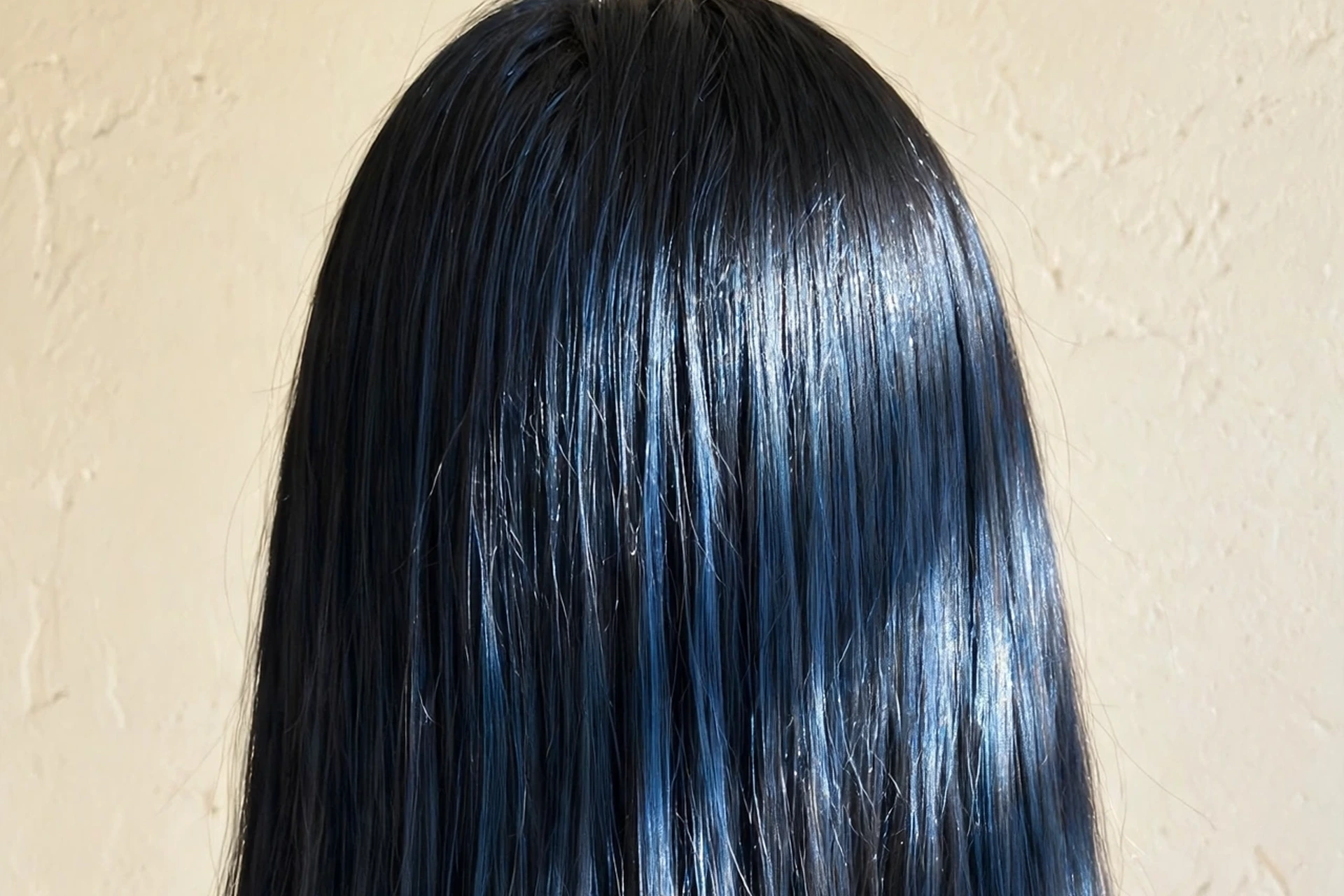
1. Jet Black with a Blue Sheen
Jet black is the darkest shade you can get, and it is unforgiving in the best way. It looks incredible on cool skin with dark eyes, and it makes pale skin look like porcelain. On warm skin it can look harsh, so check your undertone first. The blue sheen is what keeps it from looking flat. A pure black with no shine looks like a wig. A black with a cool blue reflect looks like glass.
Who it suits: Cool skin tones, dark eyes, and anyone with naturally very dark hair. If your eyebrows are dark, black will look natural on you. If your eyebrows are light, you will need to fill them in or the color will look disconnected from your face.
How to ask for it: Ask for a level 1 or 2 black with a cool blue reflect, not a warm black. Ask for a gloss on top, which adds the shine that makes black look expensive instead of flat. If you have any warm tones in your hair now, ask the stylist to fill the color first, or the black will fade unevenly.
Upkeep: Black fades faster than people think. Use a color-safe shampoo, wash in cool water, and expect a root touch-up every four to six weeks. The grow-out shows fast on black, so keep a root spray in your bag for the last week before your appointment.
How it fades: Black fades into a flat grey brown at the ends first. A gloss every six weeks keeps the shine and the depth.
You may also like: 22 Medium Length Hairstyles for Thick Hair That Work So Well
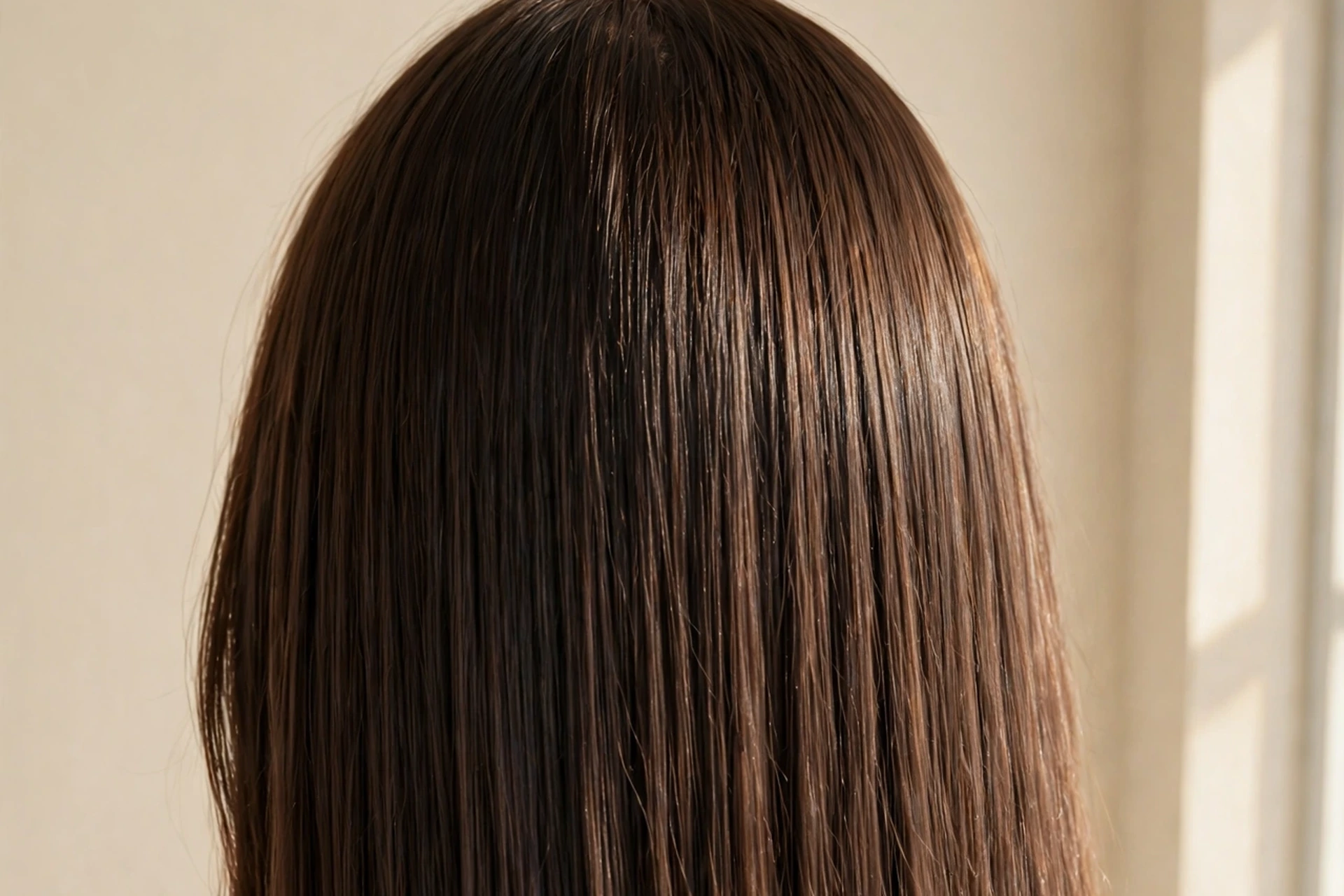
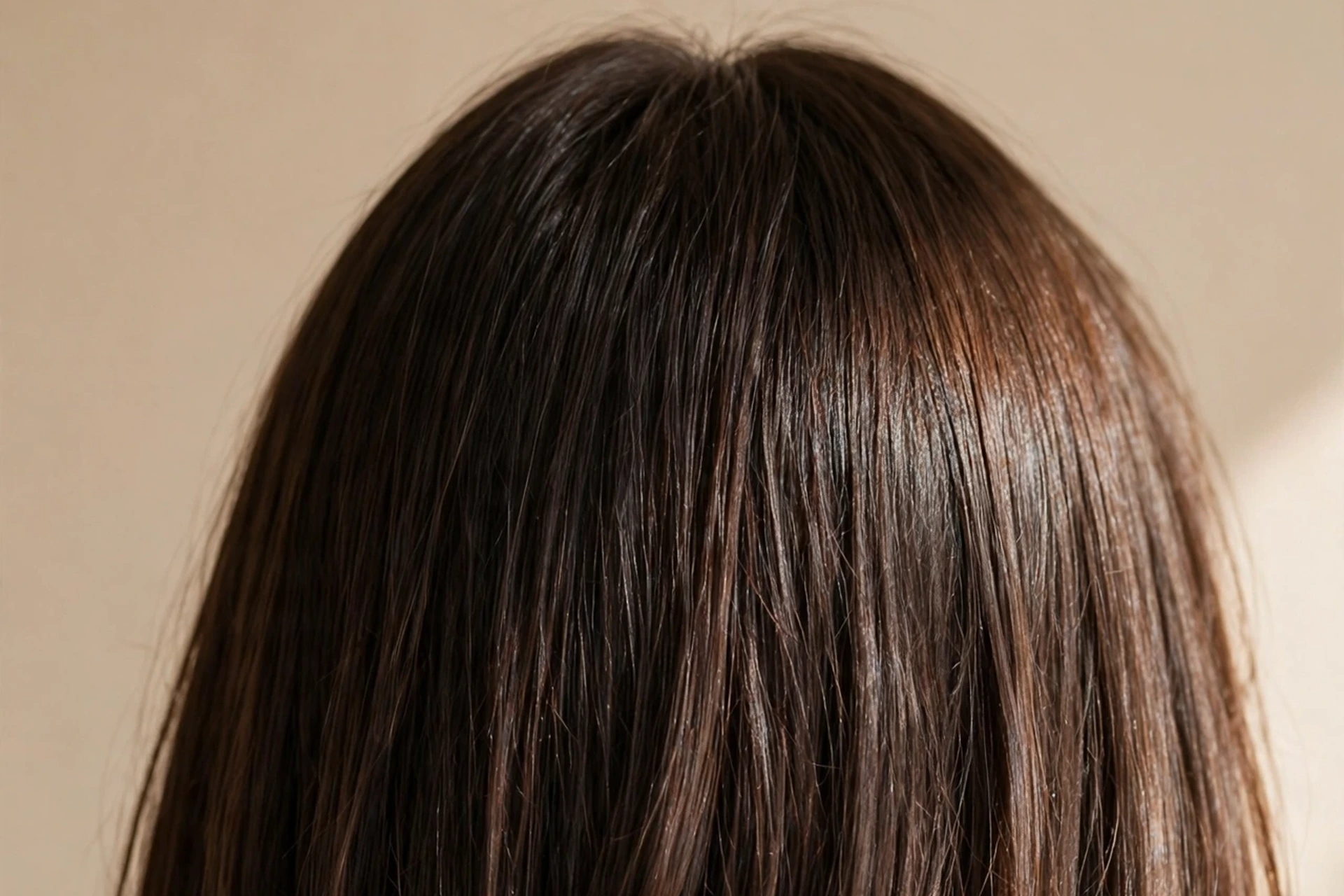
2. Espresso Brown
Espresso is the darkest brown, just one step above black, and it is the safest dark shade on this list. It has the depth of black without the harshness, and it suits more skin tones. A dark hair color like espresso works on warm and cool skin alike, because it reads as a rich neutral brown rather than a cool or warm extreme. If you want to go dark for winter but you are nervous about black, start here.
Who it suits: Almost everyone. Espresso is the dark shade stylists reach for when a client wants depth without drama. It suits warm skin because it has a soft warmth underneath, and it suits cool skin because it is deep enough to read as cool in low light.
How to ask for it: Ask for a level 3 dark brown with a neutral reflect. Tell the stylist you want it deep but not black, and ask for a demi-permanent color if you are trying it for the first time, because demi-permanent fades out in a few weeks and lets you change your mind.
Upkeep: Low to medium. Espresso grows out more gently than black, so you can stretch a touch-up to six or eight weeks. A color-safe shampoo and a gloss every couple of months keep it rich.
How it fades: Espresso fades into a warm medium brown, which still looks good. It rarely goes brassy, which is why it is such a safe pick.
You may also like: 22 Sweater Dress Outfits That Stay Warm Without the Bulk
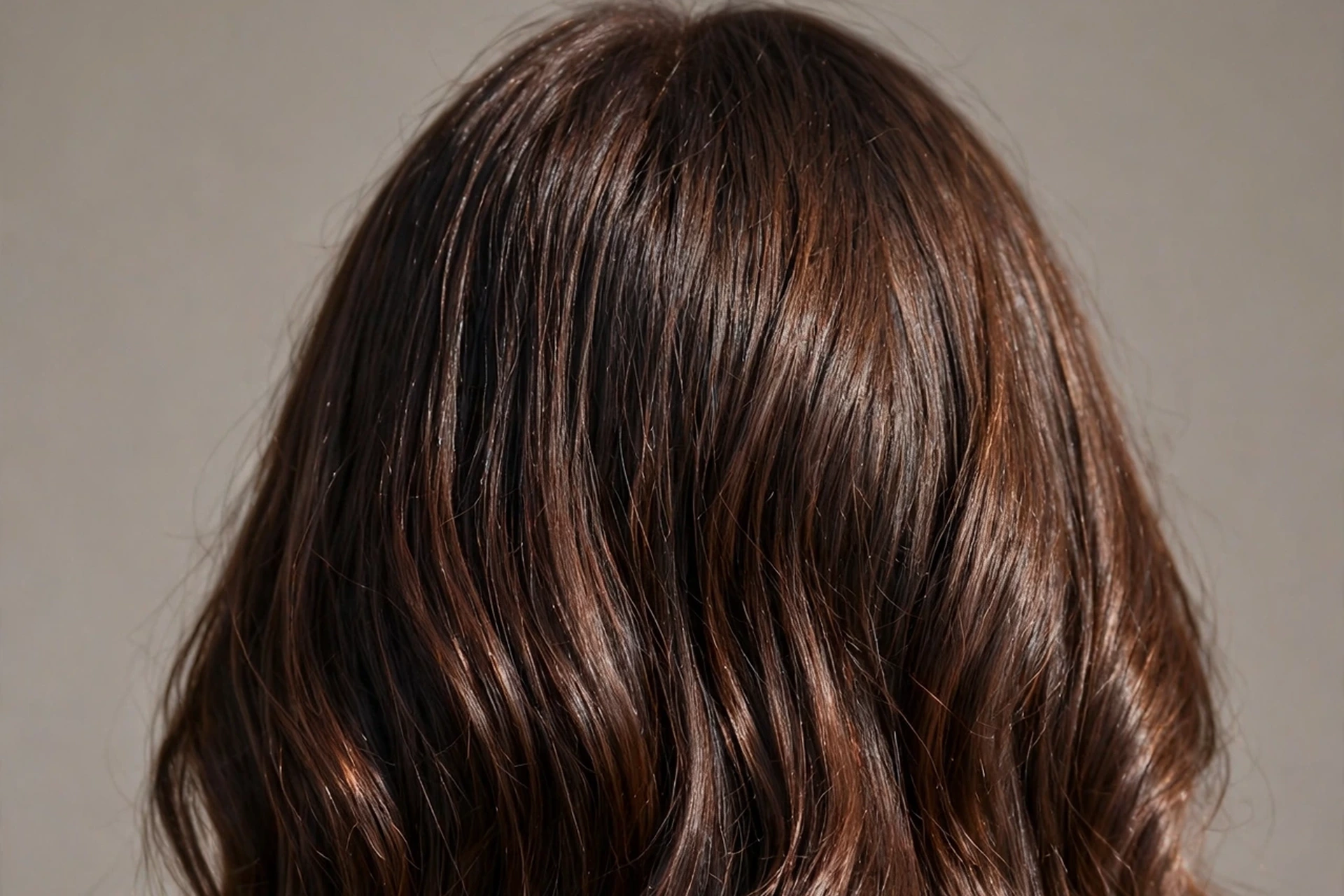
3. Deep Chocolate Brown
Deep chocolate is espresso with more warmth, and it is the shade that makes brown eyes glow. It has a cocoa richness that catches the light, and it looks especially good on warm skin. If espresso feels too cool for you, chocolate is the answer. It is also the dark shade that photographs best, because the warmth reads clearly even in bad light.
Who it suits: Warm and neutral skin tones, brown and hazel eyes, and anyone with naturally medium to dark brown hair. It is a great pick if you want a dark winter hair color that still feels soft.
How to ask for it: Ask for a level 4 chocolate brown with a warm reflect. If your hair is naturally lighter, ask for a fill first so the color holds. Ask for a few fine lowlights in a slightly lighter brown through the mid-lengths, which stop the color from looking flat.
Upkeep: Low. Chocolate brown is one of the easiest dark shades to maintain, because it fades into a lighter brown that still looks intentional. Touch up the roots every six to eight weeks.
How it fades: Chocolate fades into a warm milk chocolate, which is still a pretty color. It can go slightly brassy in hard water, so a blue or purple shampoo once a week keeps it cool enough.
You may also like: 22 December Nails That Feel Festive and Look So Beautiful
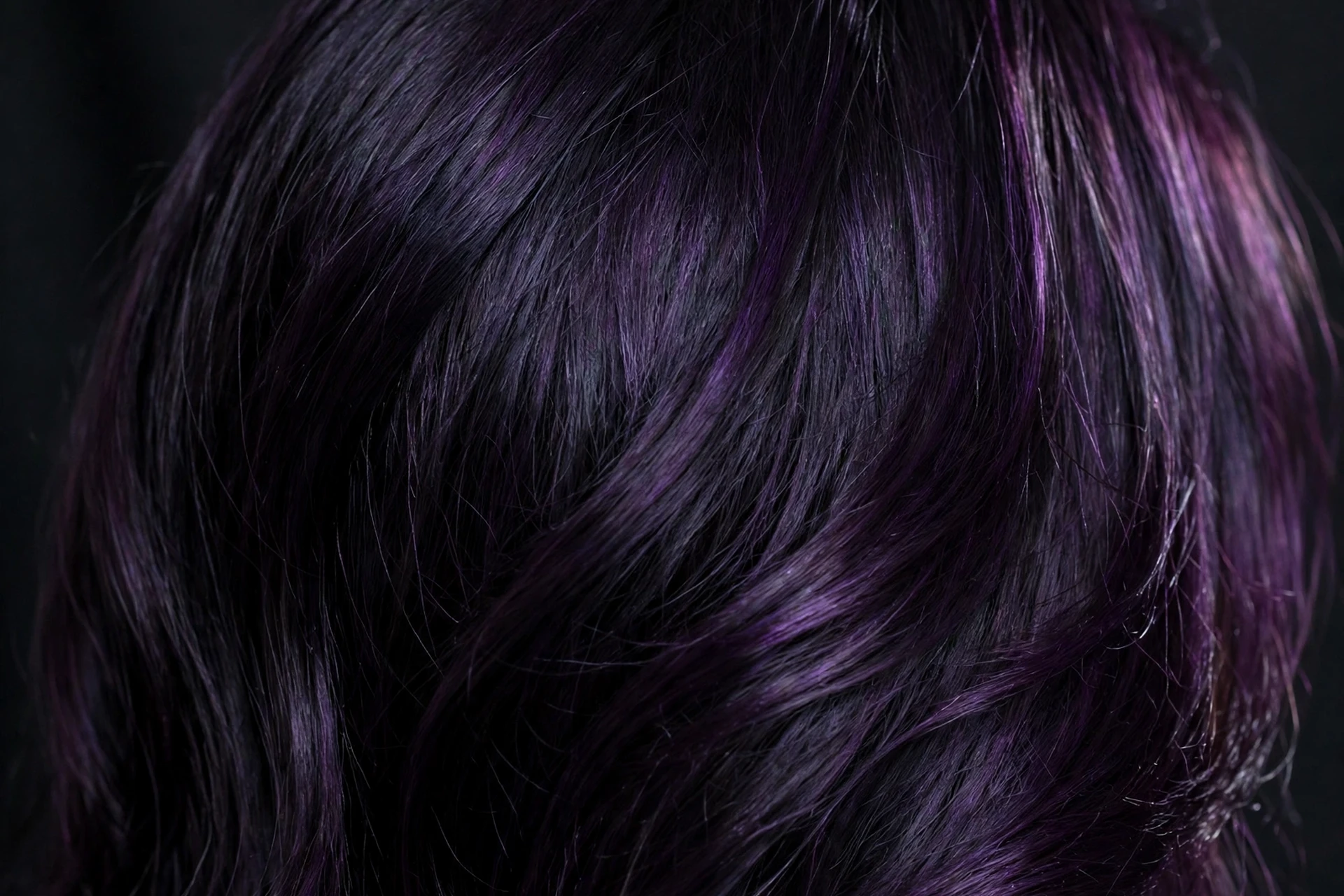
4. Midnight Plum
Midnight plum is black with a hidden purple reflect, and it is the most interesting dark on this list. In normal light it reads as a very dark brown or black. In sunlight or under bright indoor light, the plum comes out, and it looks like the hair is glowing from the inside. It is the shade to pick if you want dark hair with a secret.
Who it suits: Cool and neutral skin tones, and anyone who wants a dark color that is not plain black. It suits dark eyes especially well, and it makes pale skin look luminous rather than washed out.
How to ask for it: Ask for a level 2 or 3 with a violet reflect, and tell the stylist you want the plum visible in the light but subtle indoors. Ask for the color to be applied as a gloss over your natural dark base if your hair is already dark, which gives you the plum without a full dye job.
Upkeep: Medium. Plum fades fast, and it fades into a flat brown if you do not maintain it. A color-depositing conditioner in a violet shade once a week keeps the plum alive between appointments.
How it fades: Plum fades into a dark brown with a faint purple tint, then into a plain dark brown. The violet conditioner is what keeps it from going dull.
You may also like: 22 Winter Nail Color Trends That Make Winter Feel Beautiful
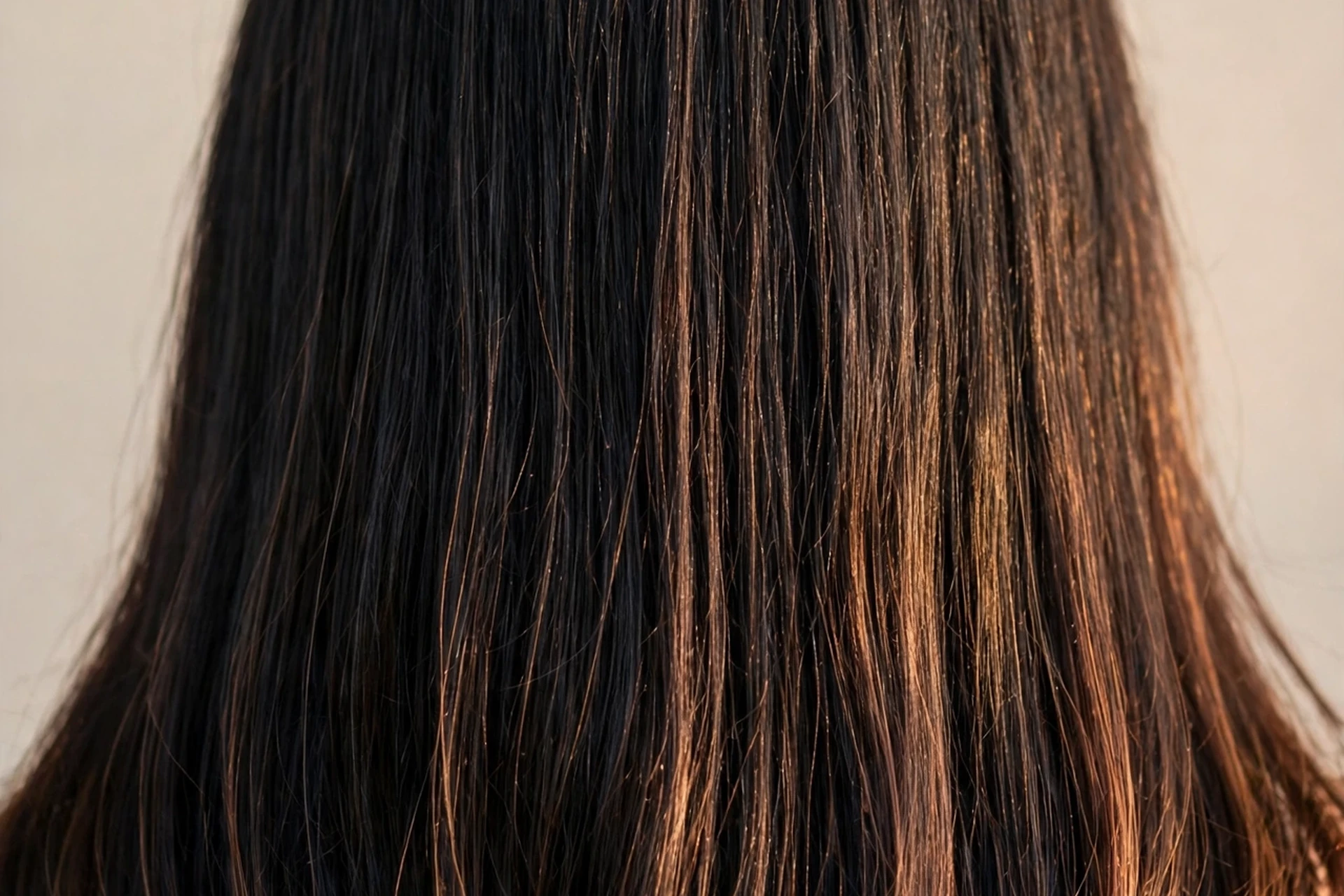
5. Soft Black with Warm Lowlights
Soft black is black that has been warmed up with fine lowlights in a dark warm brown, and it is the answer for warm skin that wants to go dark. The lowlights break up the solid black and add warmth and movement, so the color looks like it belongs to you instead of sitting on top of your head. It is the most forgiving black on this list.
Who it suits: Warm skin tones that want a dark shade, and anyone with naturally dark hair who finds pure black too harsh. It also suits people who are growing out a black dye job, because the lowlights soften the line between the dyed hair and the roots.
How to ask for it: Ask for a level 2 black base with fine lowlights in a level 4 warm brown, placed through the mid-lengths and ends. Ask for the lowlights to be thin and blended, not chunky, or they will read as stripes.
Upkeep: Medium. The lowlights need refreshing every eight weeks or they fade into the black and disappear. The black base needs a root touch-up every four to six weeks.
How it fades: Soft black fades into a dark brown with faint warm streaks, which still looks good. The lowlights are the first thing to go, so book the refresh before they vanish completely.
You may also like: Minimal Jewelry Ideas That Make You Look Put Together Without Trying
Group 2: The Warm Browns
Warm browns are the workhorses of winter hair colors. They suit the most people, they fade the most gracefully, and they look good in every kind of winter light. If you are unsure where to start, start here.
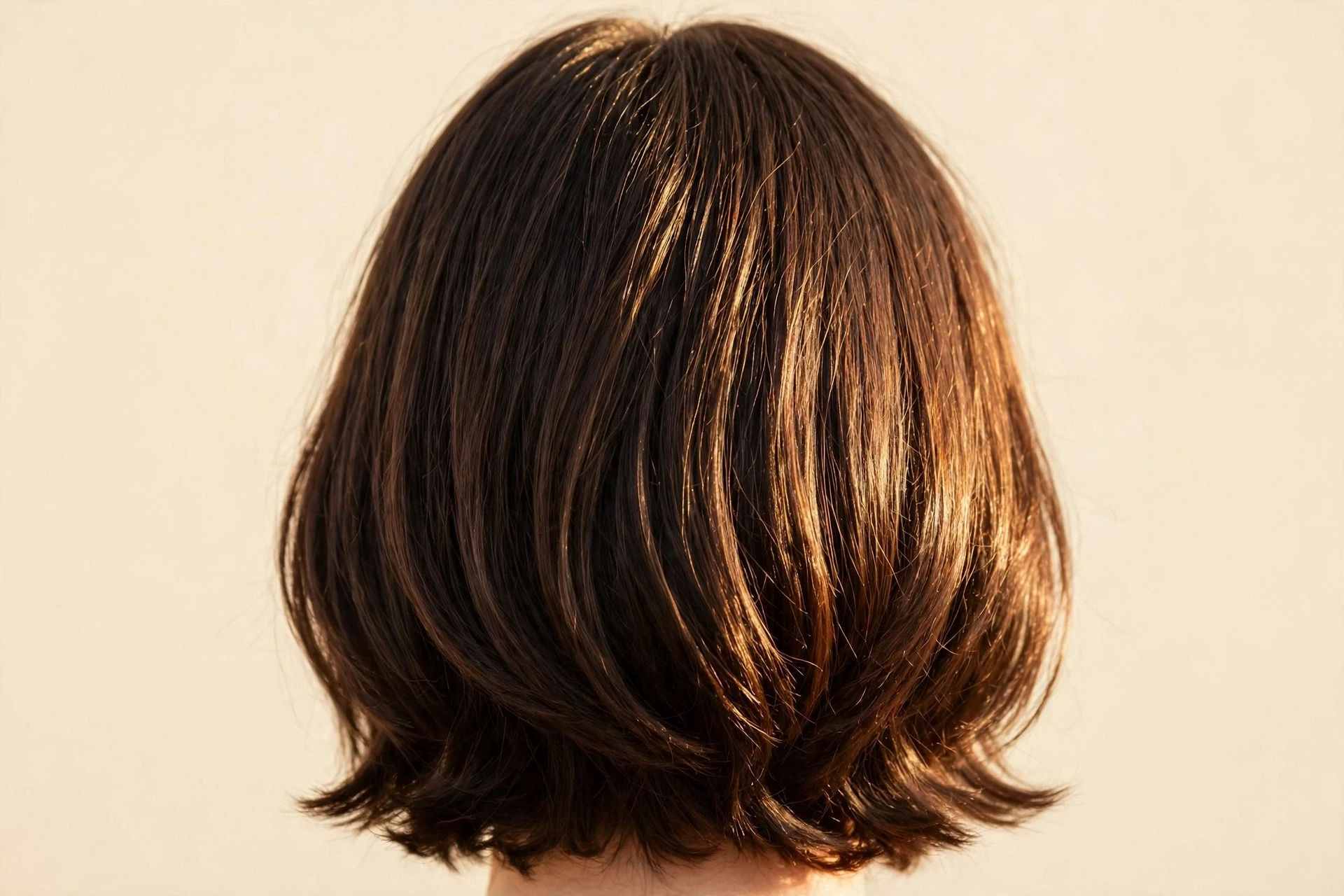
6. Dark Brown Hair with a Warm Glow
Dark brown hair with a warm glow is the shade most people mean when they say they want brown hair for winter. It is a level 4 dark brown with a golden reflect that catches the light, and it looks like the hair has a light inside it. It suits warm skin beautifully, and it is the easiest dark shade to maintain.
Who it suits: Warm and neutral skin tones, brown eyes, and anyone with naturally medium brown hair who wants to go one shade deeper for winter. It is also a great first dark shade if you have never gone dark before.
How to ask for it: Ask for a level 4 dark brown with a warm golden reflect. Tell the stylist you want it rich and glossy, not flat, and ask for a gloss on top to add shine. If your hair is naturally lighter, a demi-permanent color will give you the depth without a big commitment.
Upkeep: Low. Dark brown hair with a warm glow grows out gently, and the warm tones fade slowly. A color-safe shampoo and a touch-up every eight weeks is enough.
How it fades: It fades into a lighter warm brown, which still looks good. A gloss every couple of months brings the glow back.
You may also like: 22 Winter Outfits That Look Good Even When It Is Freezing
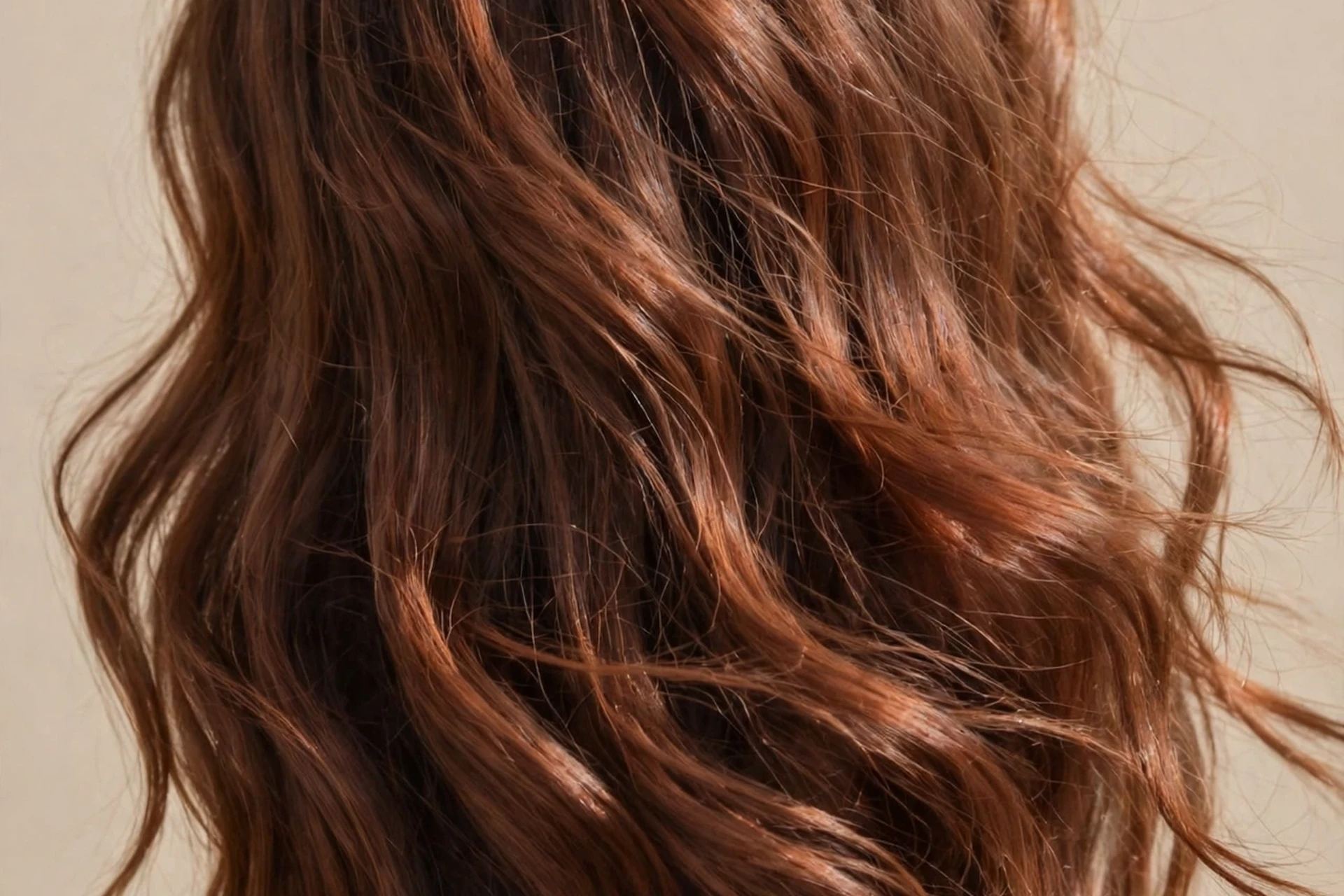
7. Chestnut Brown
Chestnut hair color is a warm medium brown with a reddish glow, like the inside of a chestnut. It is one of the most flattering browns ever, because the red undertone warms up the face and makes the eyes look brighter. It suits almost every warm skin tone, and it looks especially good on people with hazel or green eyes.
Who it suits: Warm and neutral skin tones, hazel and green eyes, and anyone with naturally medium brown hair. It is a great pick if you want a brown that has personality instead of just depth.
How to ask for it: Ask for a level 5 chestnut brown with a warm copper reflect. Tell the stylist you want the red to be visible but not loud, and ask for a few fine highlights in a lighter chestnut through the front, which frame the face.
Upkeep: Low to medium. Chestnut fades into a warm medium brown, which still looks good. The red tones fade first, so a color-depositing conditioner in a warm brown once a week keeps the glow.
How it fades: Chestnut fades into a soft warm brown with less red. It rarely goes brassy, because the base is warm to begin with.
You may also like: 22 Winter Outfits for Women That Beat the Freezing Cold
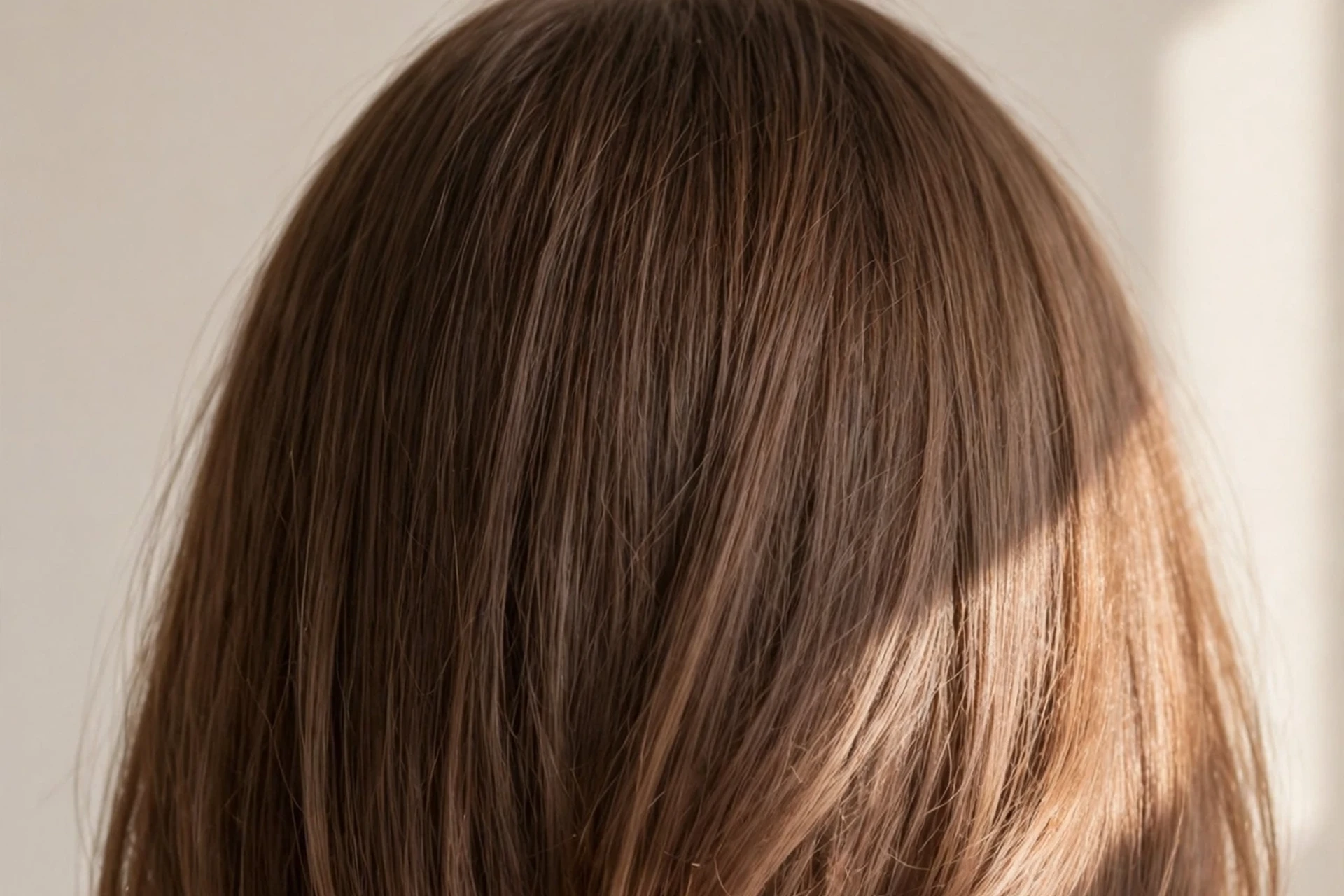
8. Milk Chocolate Brown
Milk chocolate is the softest brown on this list, a level 5 or 6 with a creamy warmth that looks like melted chocolate. It is lighter than deep chocolate, and it has a softness that makes it very forgiving. If dark browns feel too heavy for you, milk chocolate is the lighter answer.
Who it suits: Warm and neutral skin tones, light to medium brown natural hair, and anyone who wants a brown that looks soft rather than dramatic. It suits fine hair especially well, because the lighter shade makes the hair look thicker.
How to ask for it: Ask for a level 5 or 6 milk chocolate brown with a warm reflect. Tell the stylist you want it creamy and soft, not dark, and ask for a balayage or a few fine highlights in a lighter brown to add dimension.
Upkeep: Very low. Milk chocolate is close to many people’s natural color, so the grow-out is gentle and the fade is kind. A touch-up every eight to ten weeks is enough.
How it fades: Milk chocolate fades into a light warm brown, which still looks natural. It almost never goes brassy.
You may also like: Medium Gold Hoops with Casual Outfits That Always Look Effortless
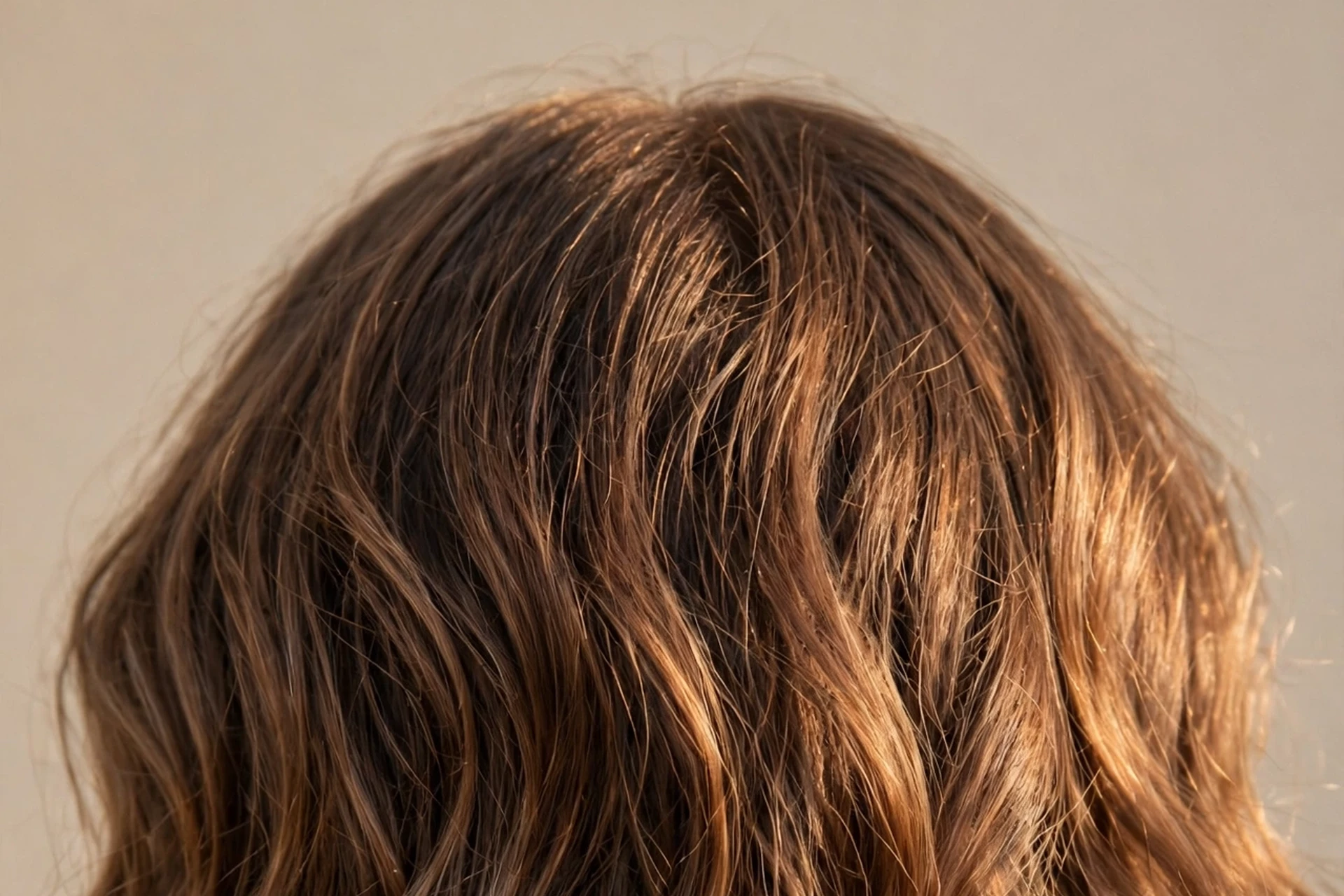
9. Toffee Brown with Soft Dimension
Toffee brown is a medium brown with caramel and toffee tones woven through it, and the dimension is the whole point. The base is a level 5 brown, and fine highlights in a toffee or caramel shade run through the mid-lengths and ends, so the hair looks like it has depth even in flat light. It is the shade to pick if you want brown hair that looks expensive.
Who it suits: Warm skin tones, and anyone with naturally medium brown hair who wants dimension without going blonde. It suits wavy and curly hair especially well, because the highlights catch the texture.
How to ask for it: Ask for a level 5 brown base with fine toffee highlights through the mid-lengths and ends. Tell the stylist you want the highlights soft and blended, not chunky, and ask for them to start below the chin so the roots stay natural.
Upkeep: Medium. The highlights need refreshing every eight to ten weeks or they grow out into a line. A purple shampoo is not needed here, but a color-safe shampoo is.
How it fades: Toffee fades into a warm medium brown with fainter highlights. The dimension is the first thing to go, so book the refresh before it vanishes.
You may also like: 22 Medium Length Hairstyles for Thick Hair That Work So Well
10. Mushroom Brown
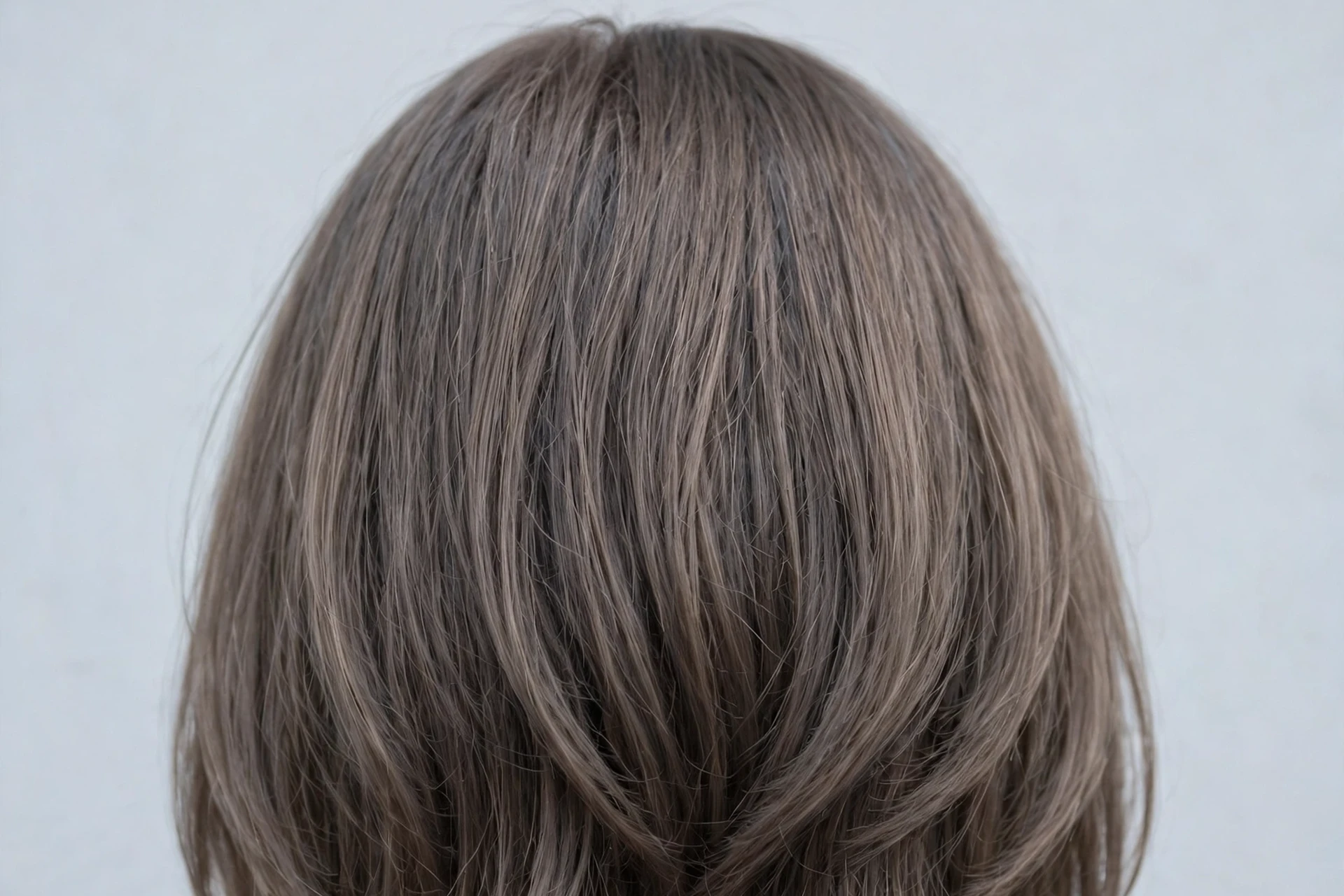
Mushroom brown is a cool ashy brown, the only cool brown in this group, and it is the shade for people who love the idea of brown but hate warmth. It has a grey beige undertone that makes it look smoky and modern, and it is the best brown for cool skin. It is also the hardest brown to get right, because it needs a cool base to begin with.
Who it suits: Cool skin tones, and anyone with naturally ashy brown hair. It suits people who want a brown that looks expensive and understated rather than warm and glowing.
How to ask for it: Ask for a level 6 mushroom brown with an ash reflect. Tell the stylist you want it cool and smoky, not warm, and ask for a toner on top to kill any brassiness. If your hair is naturally warm, the stylist will need to lift it first, or the mushroom will turn warm as it fades.
Upkeep: Medium to high. Mushroom brown needs a purple shampoo once a week to stay cool, and a toner every six weeks. Without the toner, it warms up fast.
How it fades: Mushroom fades into a warm light brown, which is the opposite of what you want. The purple shampoo and the toner are what keep it cool.
You may also like: 22 Sweater Dress Outfits That Stay Warm Without the Bulk
Group 3: The Coppers and Reds
Coppers and reds are the warmest shades on this list, and winter is their season. They pick up the warmth that cold weather takes away, and they look incredible against pale winter skin. The trade is that red fades faster than any other color, so these shades need the most care.
11. Copper Glow
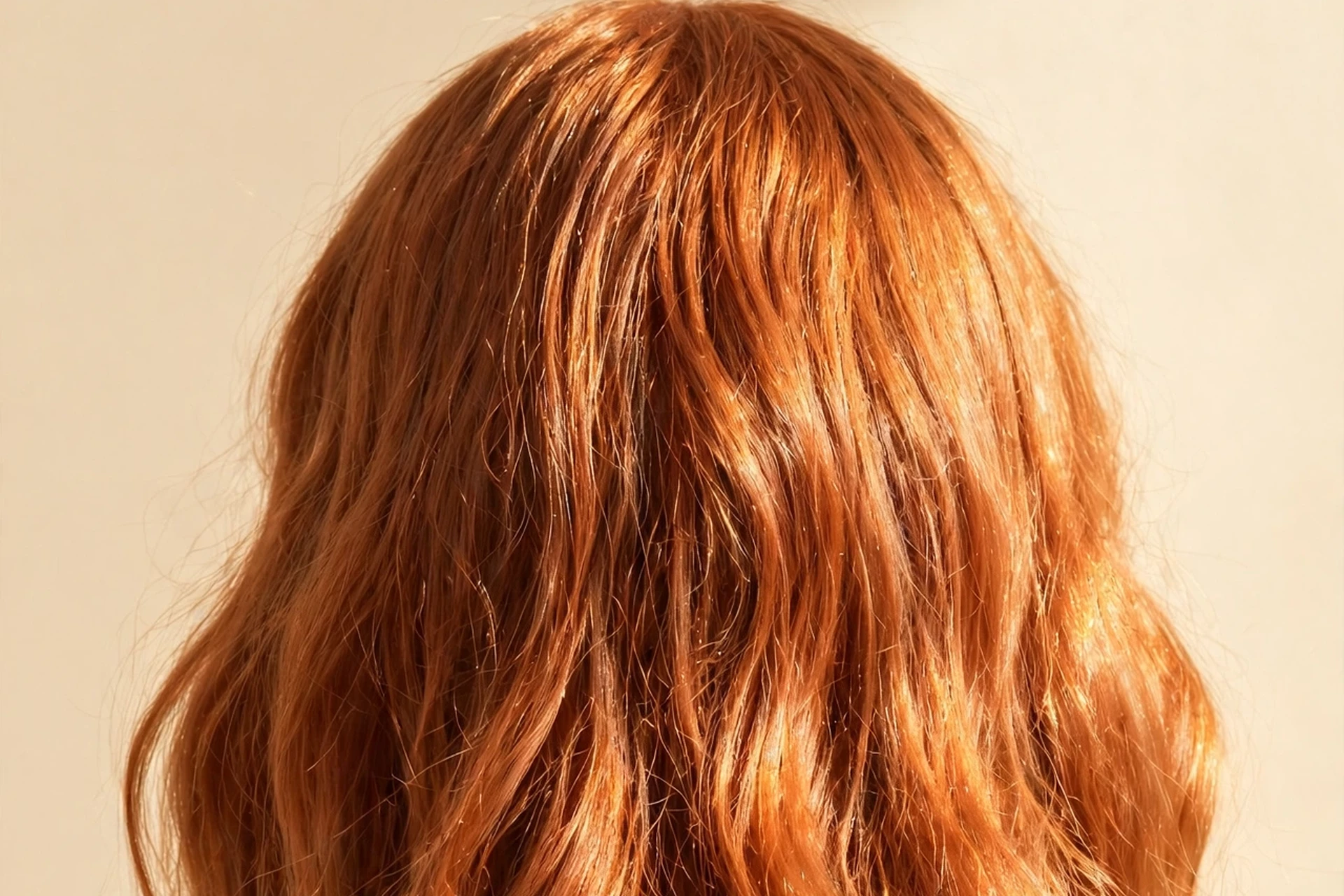
Copper hair color is a bright, warm orange brown, and it is the shade that gets the most compliments. It has a metallic shine that catches the light, and it makes green and hazel eyes look incredible. Copper is bold, but it is also very wearable, because it sits in the middle of the red family, not too orange and not too brown.
Who it suits: Warm skin tones, green and hazel eyes, and anyone with fair to medium skin. Copper looks best on people with some warmth in their skin already, because the color and the skin work together.
How to ask for it: Ask for a level 6 or 7 copper with a warm reflect. Tell the stylist you want it bright and shiny, not muted, and ask for a gloss to add the metallic shine. If your hair is naturally dark, the stylist will need to lift it first, or the copper will look muddy.
Upkeep: High. Copper fades faster than any brown, so wash in cool water, use a color-safe shampoo, and use a color-depositing conditioner in copper once a week. Expect a refresh every four to six weeks.
How it fades: Copper fades into a soft strawberry blonde, which is still pretty. The color-depositing conditioner is what keeps it copper instead of letting it wash out.
You may also like: 22 December Nails That Feel Festive and Look So Beautiful
12. Auburn with Winter Depth
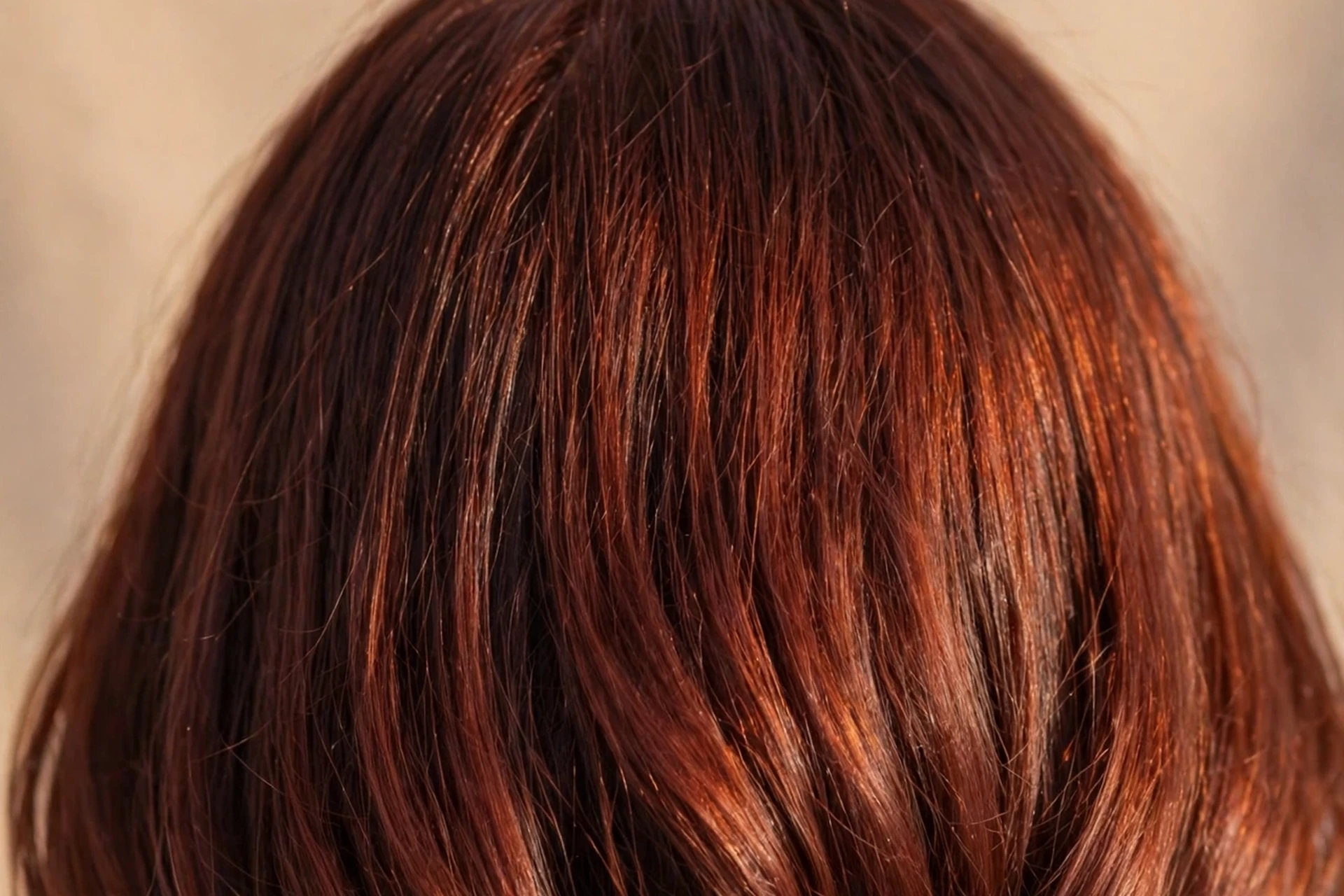
Auburn is a deep red brown, darker and richer than copper, and the winter depth comes from going one shade deeper than a normal auburn. It has the warmth of red with the depth of brown, and it looks like the hair is glowing from the inside. It is the red to pick if copper feels too bright for you.
Who it suits: Warm and neutral skin tones, brown and hazel eyes, and anyone with naturally medium brown hair. Auburn is the most forgiving red, because the brown base keeps it from looking loud.
How to ask for it: Ask for a level 5 auburn with a warm red reflect. Tell the stylist you want it deep and rich, not bright, and ask for a few fine lowlights in a darker brown to add depth.
Upkeep: Medium to high. Auburn fades faster than brown but slower than copper. A color-safe shampoo, cool water, and a color-depositing conditioner in auburn once a week keep it rich.
How it fades: Auburn fades into a warm medium brown with a faint red tint. It stays pretty as it fades, which is why it is such a good winter red.
You may also like: 22 Winter Outfits That Look Good Even When It Is Freezing
13. Deep Burgundy
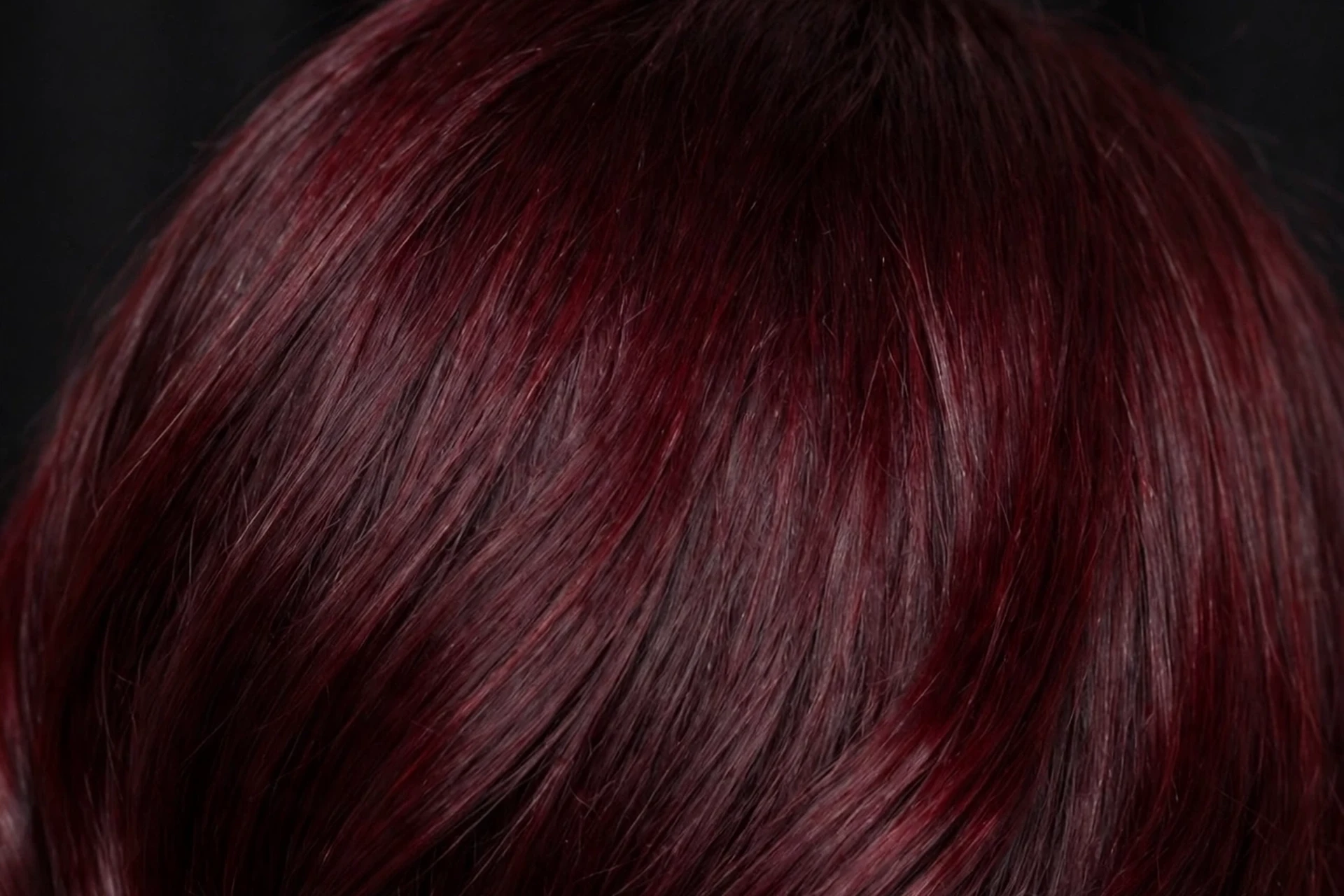
Deep burgundy is a dark red with a wine undertone, and it is the most dramatic red on this list. In normal light it reads as a very dark brown with a hint of red. In sunlight it opens up into a rich wine color that looks like velvet. It is the shade to pick if you want red hair that still feels grown up.
Who it suits: Cool and neutral skin tones, and anyone who wants a red that is not orange. Burgundy suits pale skin beautifully, and it makes dark eyes look deeper.
How to ask for it: Ask for a level 4 or 5 burgundy with a violet red reflect. Tell the stylist you want the wine tone visible in the light but subtle indoors, and ask for a gloss to add shine.
Upkeep: High. Burgundy fades fast, and it fades into a flat brown if you do not maintain it. A color-depositing conditioner in burgundy once a week is essential.
How it fades: Burgundy fades into a dark brown with a faint wine tint, then into a plain dark brown. The color-depositing conditioner is what keeps the wine alive.
You may also like: 22 Winter Nail Color Trends That Make Winter Feel Beautiful
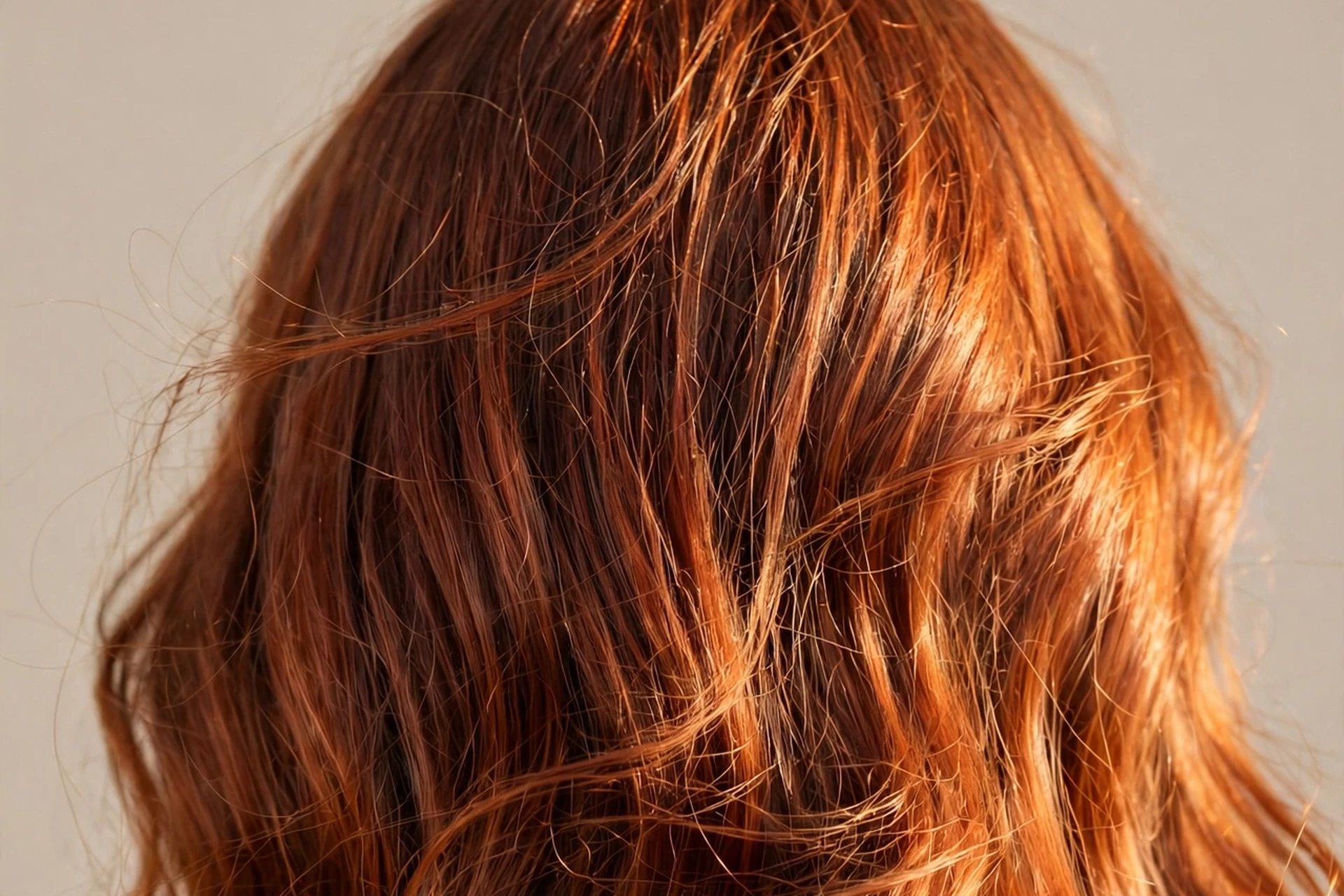
14. Spiced Cinnamon Red
Spiced cinnamon is a warm medium red with brown and orange tones, like the spice itself. It is lighter and warmer than auburn, and it has a spicy brightness that looks incredible in winter light. It is the red to pick if you want warmth without the drama of copper or the depth of burgundy.
Who it suits: Warm skin tones, and anyone with fair to medium skin who wants a red that feels warm and friendly. It suits green and brown eyes, and it looks especially good on people with freckles.
How to ask for it: Ask for a level 6 spiced cinnamon with a warm red reflect. Tell the stylist you want it warm and spicy, not orange, and ask for a few fine highlights in a lighter cinnamon through the front to frame the face.
Upkeep: High. Cinnamon red fades fast, so cool water, color-safe shampoo, and a color-depositing conditioner in a warm red once a week are all needed.
How it fades: Cinnamon fades into a soft strawberry brown, which is still pretty. The conditioner keeps it spicy instead of letting it wash out.
You may also like: Minimal Jewelry Ideas That Make You Look Put Together Without Trying
Group 4: The Icy Blondes
Icy blondes are the lightest shades on this list, and they are the hardest to get right. They need lifting, toning, and regular care, but nothing looks more striking in winter than a cool blonde against a pale sky. An icy hair color works best on cool skin, and it needs a purple shampoo to stay icy.
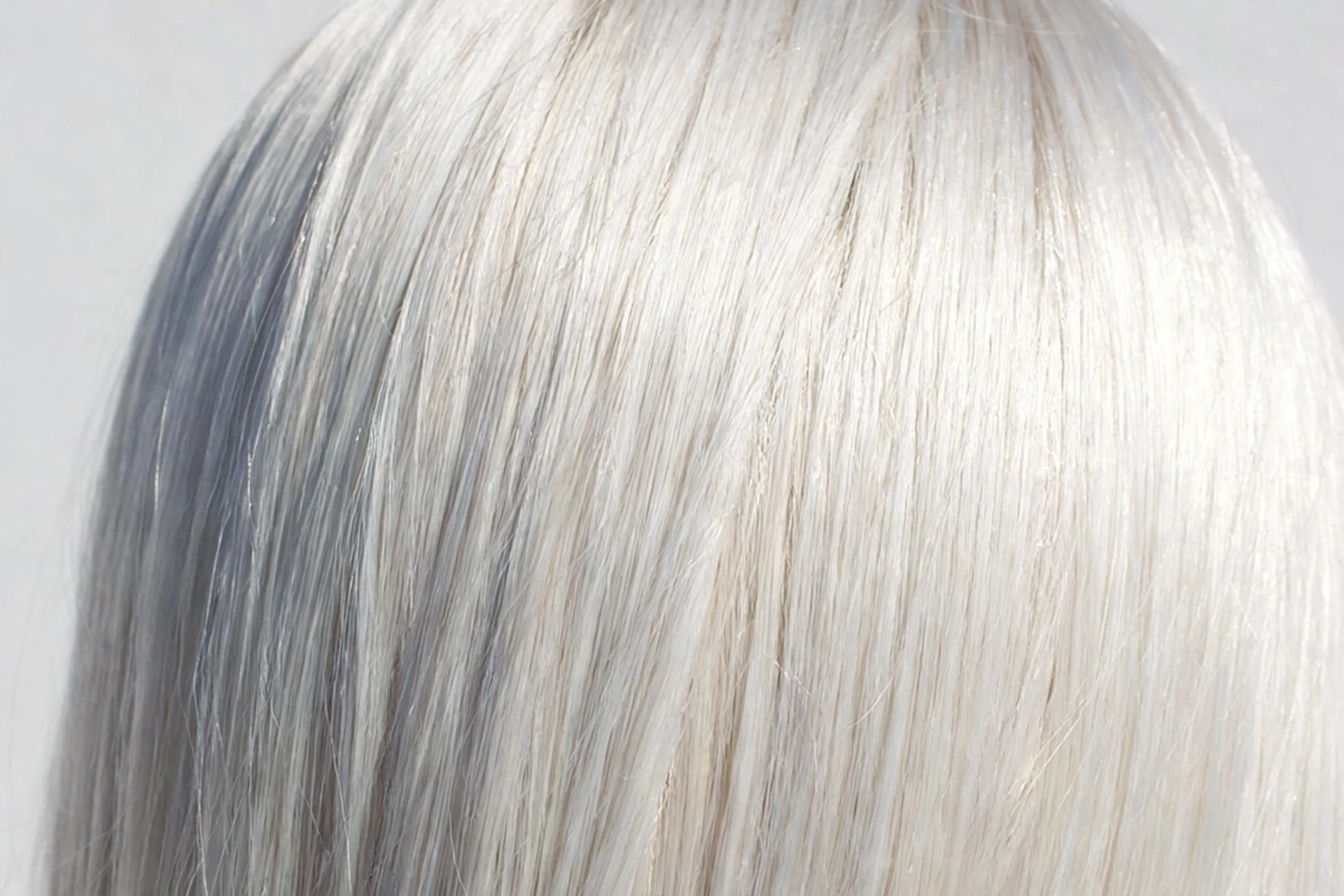
15. Icy Blonde
Icy blonde is a very light blonde with a cool white reflect, and it is the lightest shade on this list. It looks like fresh snow, and it is stunning on cool skin with light eyes. It is also the most work, because it needs regular toning to stay icy instead of turning yellow.
Who it suits: Cool skin tones, light eyes, and anyone with naturally light blonde hair. Icy blonde is the hardest shade to achieve on dark hair, because it needs several rounds of lifting, and it can damage the hair if it is rushed.
How to ask for it: Ask for a level 10 icy blonde with a cool violet toner. Tell the stylist you want it white and cool, not golden, and ask for a bond builder in the lightener to protect the hair. If your hair is naturally dark, expect two or three sessions to get there safely.
Upkeep: Very high. Icy blonde needs a purple shampoo once or twice a week, a toner every four to six weeks, and regular deep conditioning. The roots show fast, so a touch-up every four weeks is normal.
How it fades: Icy blonde fades into a warm yellow blonde, which is the opposite of what you want. The purple shampoo and the toner are what keep it icy.
You may also like: 22 Medium Length Hairstyles for Thick Hair That Work So Well
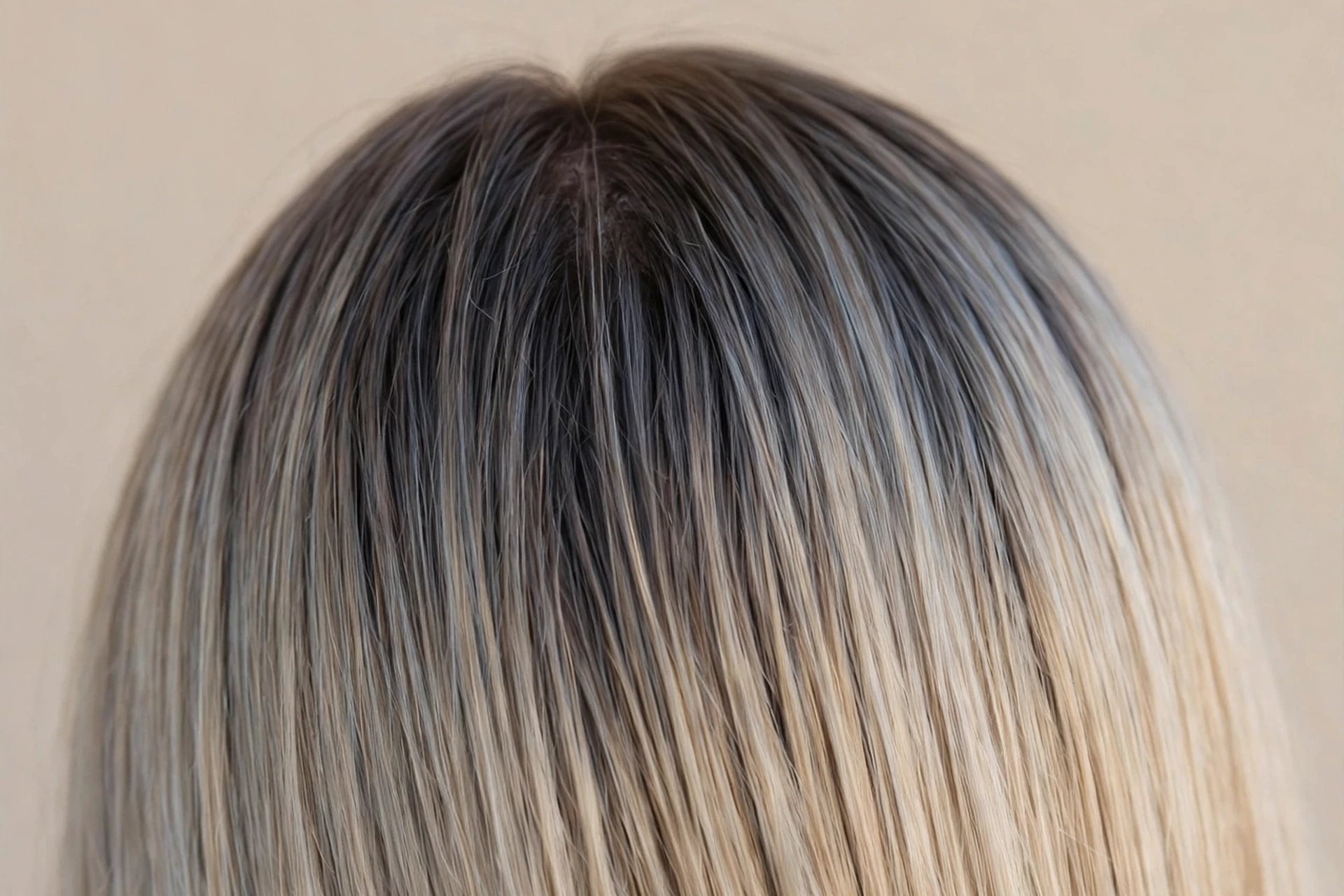
16. Winter Blonde with Cool Roots
Winter blonde is a medium blonde with a cool tone, and the cool roots are what make it a winter shade. The roots are kept darker and cooler than the ends, which gives the color depth and makes the grow-out gentle. It is the blonde to pick if you want icy tones without the upkeep of a full icy blonde.
Who it suits: Cool and neutral skin tones, and anyone with naturally medium to dark blonde hair. Winter blonde suits people who want a blonde that looks intentional in winter but does not need a touch-up every month.
How to ask for it: Ask for a level 8 or 9 winter blonde with a shadow root in a level 7 cool brown. Tell the stylist you want the roots darker and cooler than the ends, and the ends to stay cool, not golden.
Upkeep: Medium. The shadow root means the grow-out is gentle, so you can stretch a touch-up to eight weeks. A purple shampoo once a week keeps the ends cool.
How it fades: Winter blonde fades into a soft cool blonde, which still looks good. The shadow root is the part that needs refreshing, not the ends.
You may also like: 22 Winter Outfits for Women That Beat the Freezing Cold
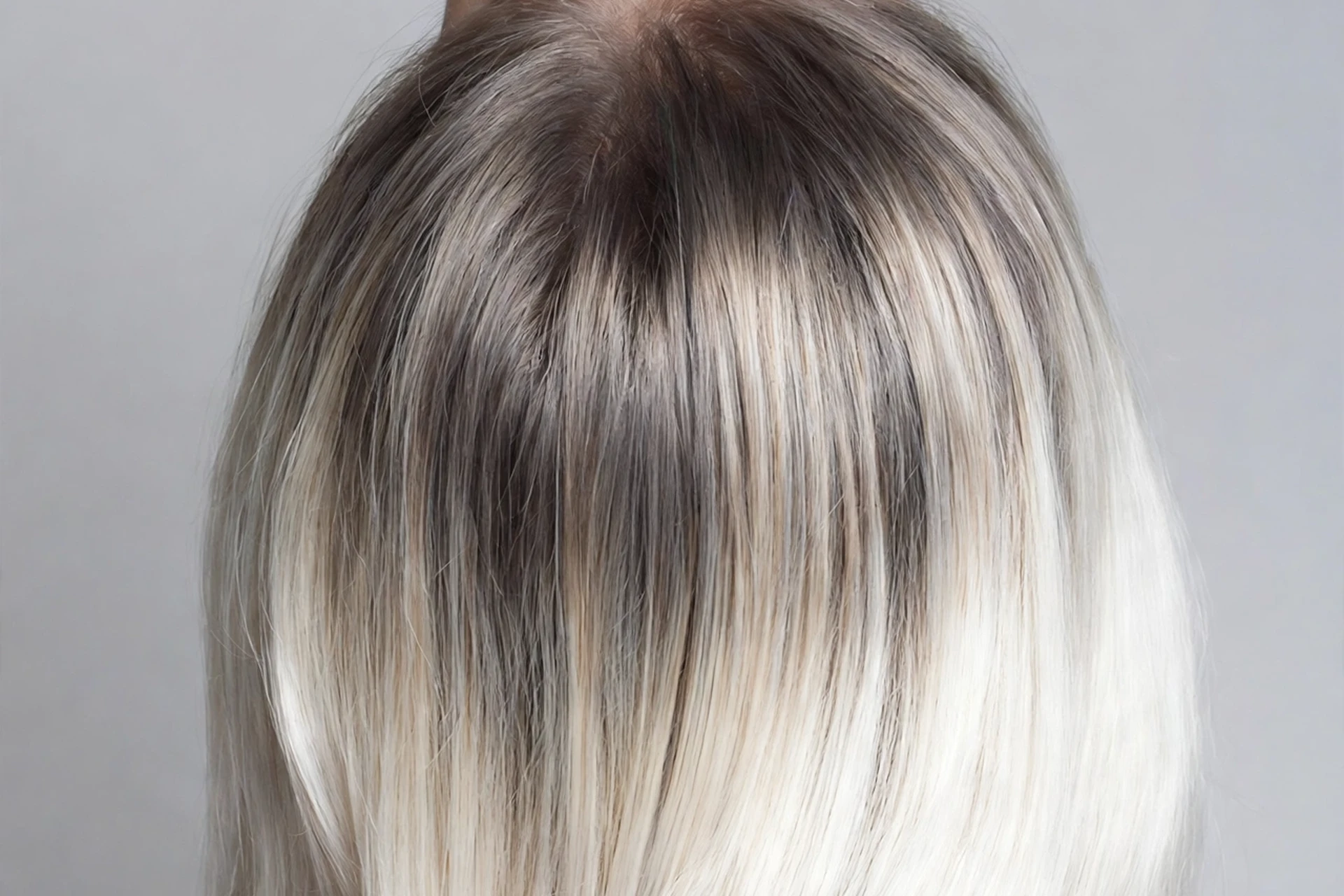
17. Platinum with a Smoky Shadow Root
Platinum is the brightest blonde there is, and the smoky shadow root is what makes it wearable in winter. The roots are a smoky grey brown, and they melt into the platinum ends, so the color has depth instead of looking flat. It is the most dramatic blonde on this list, and it turns heads.
Who it suits: Cool skin tones, and anyone with naturally very light hair. Platinum is the hardest blonde to achieve on dark hair, and it is the most damaging, so it is best for people whose hair is already light.
How to ask for it: Ask for a level 10 platinum with a smoky shadow root in a level 7 ash brown. Tell the stylist you want the root melt to be soft and blended, not a hard line, and ask for a bond builder to protect the hair.
Upkeep: Very high. Platinum needs a purple shampoo twice a week, a toner every four weeks, and deep conditioning every week. The roots need a touch-up every four weeks.
How it fades: Platinum fades into a yellow blonde, which is the opposite of what you want. The purple shampoo and the toner are essential.
You may also like: Medium Gold Hoops with Casual Outfits That Always Look Effortless
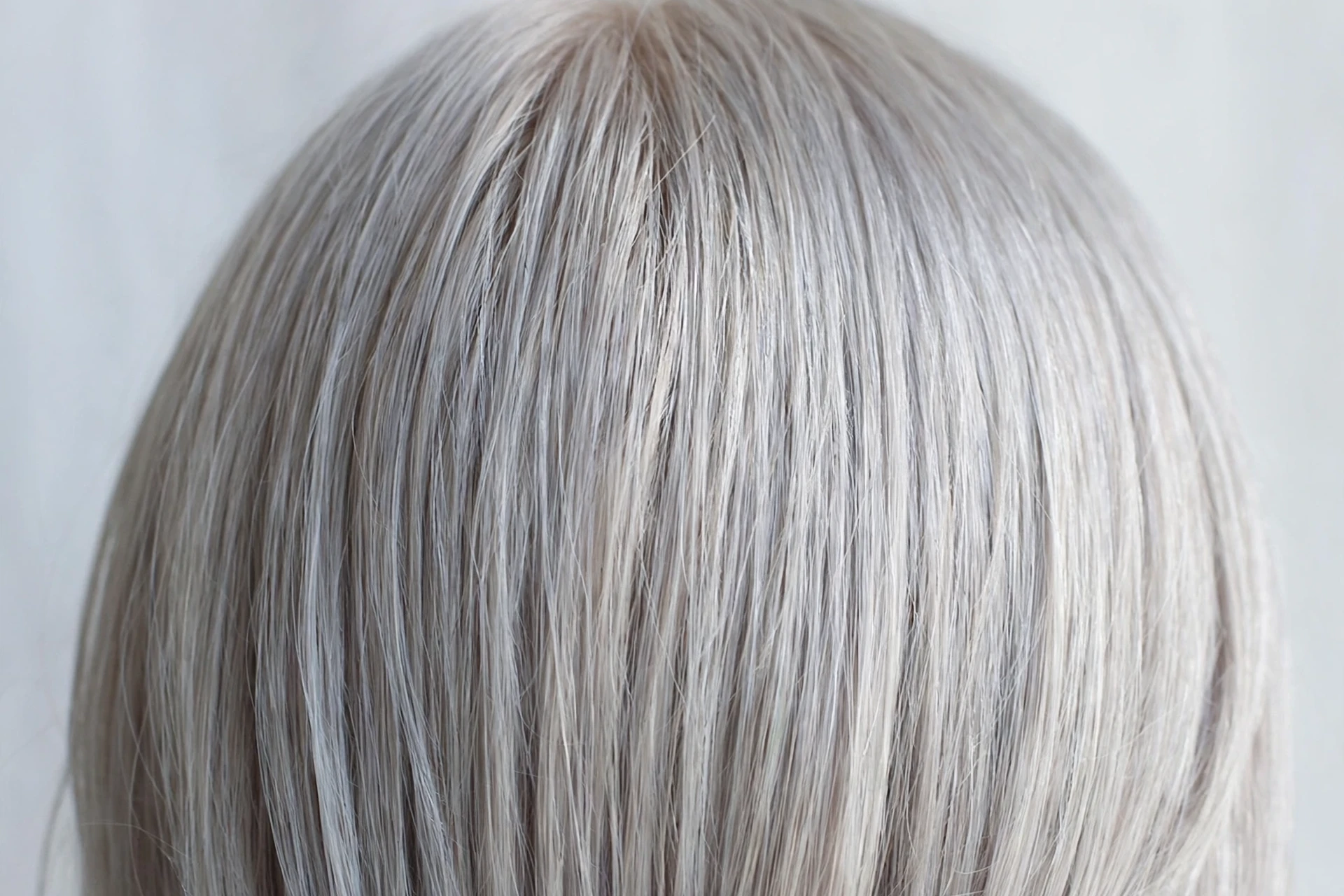
18. Silver Blonde
Silver blonde is a blonde with a grey reflect, and it looks like moonlight. It is cooler than platinum and softer than icy blonde, and it has a smoky quality that makes it look modern rather than bleached. It is the blonde to pick if you want something cool and unusual without going full white.
Who it suits: Cool skin tones, and anyone with naturally light hair who wants a blonde with character. Silver suits silver jewelry and cool-toned makeup, and it looks best on people who already wear cool colors.
How to ask for it: Ask for a level 9 or 10 silver blonde with a grey violet toner. Tell the stylist you want it smoky and cool, not yellow, and ask for a gloss to add shine, because silver can look dull without it.
Upkeep: Very high. Silver needs a purple shampoo twice a week and a toner every four weeks. Without the toner, it turns yellow fast.
How it fades: Silver fades into a pale yellow blonde, which is the opposite of what you want. The toner is what keeps it silver.
You may also like: 22 Winter Nail Color Trends That Make Winter Feel Beautiful
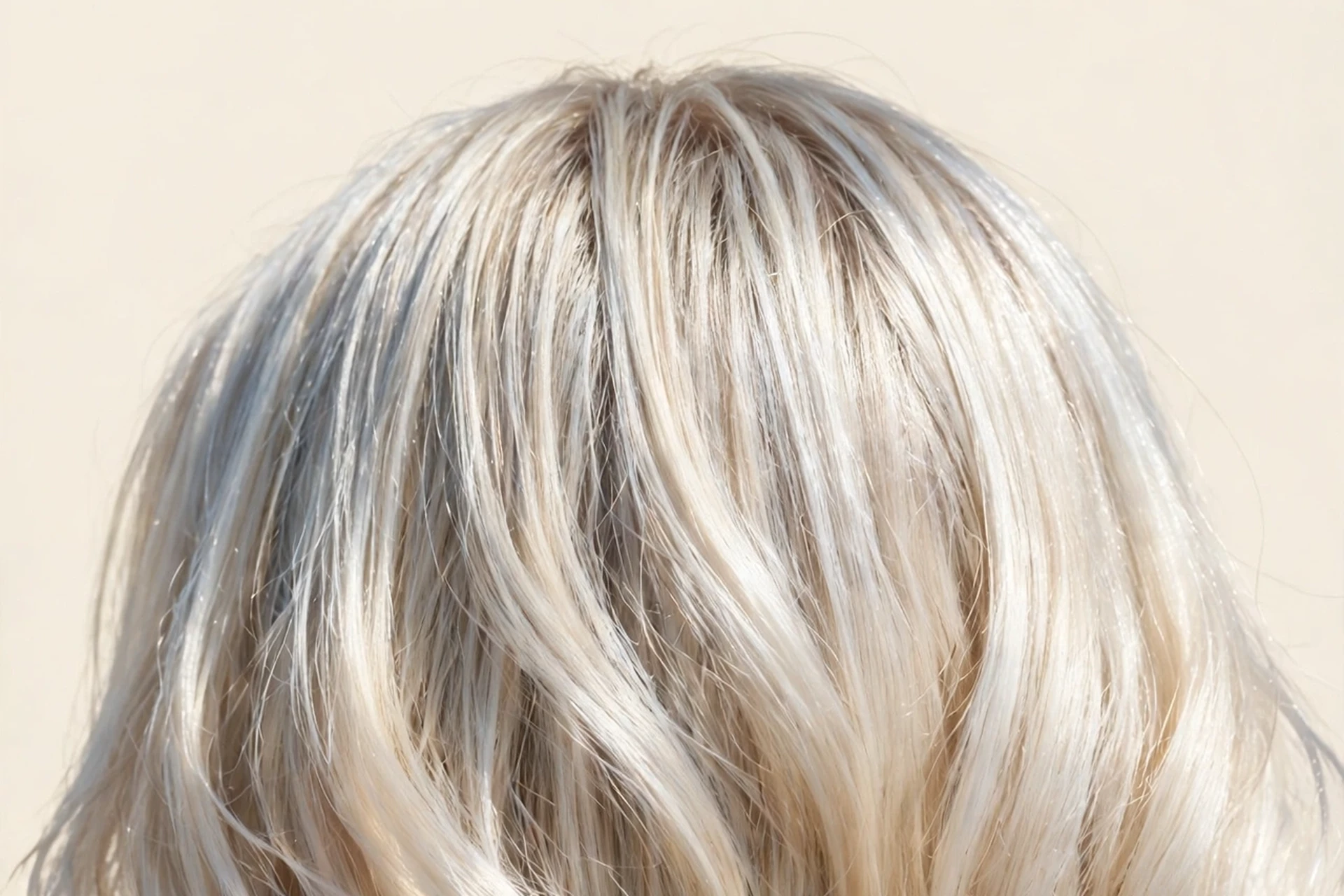
19. Pearl Blonde with Icy Highlights
Pearl blonde is a soft light blonde with a pearly shine, and the icy highlights are what make it a winter shade. The base is a level 9 pearl blonde, and fine icy highlights run through the top layers, so the hair catches the light like a pearl. It is the softest blonde on this list, and the most forgiving.
Who it suits: Cool and neutral skin tones, and anyone with naturally light blonde hair who wants a blonde that looks soft rather than stark. Pearl blonde suits fine hair especially well, because the highlights add the look of thickness.
How to ask for it: Ask for a level 9 pearl blonde base with fine icy highlights through the top layers. Tell the stylist you want the highlights soft and blended, not chunky, and ask for a pearl toner to add the shine.
Upkeep: High. Pearl blonde needs a purple shampoo once a week and a toner every six weeks. The highlights need refreshing every eight weeks.
How it fades: Pearl fades into a warm light blonde, which is still pretty but not pearl. The purple shampoo and the toner keep it cool and pearly.
You may also like: 22 Sweater Dress Outfits That Stay Warm Without the Bulk
Group 5: The Finishing Shades
These three are the shades that do not fit neatly into the other groups, and they are some of the most interesting on the list. They are for people who have tried the obvious shades and want something a little different.
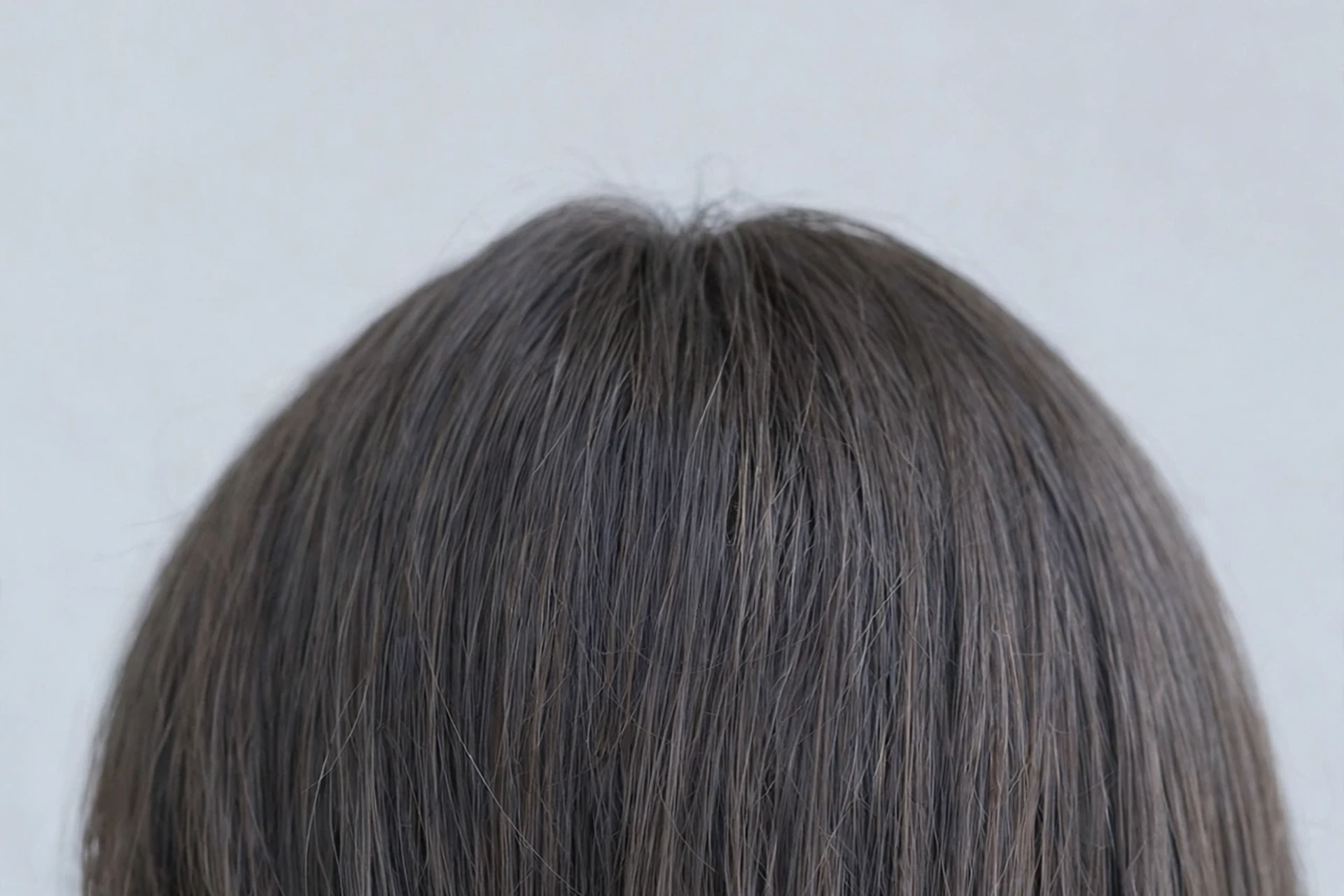
20. Dark Ash Brown
Dark ash brown is a level 4 brown with a cool grey undertone, and it is the coolest dark brown on this list. It looks like espresso that has been cooled down, and it is the shade for cool skin that wants depth without warmth. It is also the best dark brown for covering grey, because the ash tone blends with grey instead of fighting it.
Who it suits: Cool skin tones, and anyone with naturally ashy brown hair. It suits people who find warm browns too golden, and it looks especially good on people with blue or grey eyes.
How to ask for it: Ask for a level 4 dark ash brown with a cool reflect. Tell the stylist you want it cool and smoky, not warm, and ask for a toner to kill any brassiness. If your hair is naturally warm, the stylist may need to use a cool filler first.
Upkeep: Medium. Dark ash brown needs a purple shampoo once a week to stay cool, and a toner every six weeks. Without the toner, it warms up.
How it fades: Dark ash fades into a warm medium brown, which is the opposite of what you want. The purple shampoo and the toner keep it cool.
You may also like: 22 December Nails That Feel Festive and Look So Beautiful
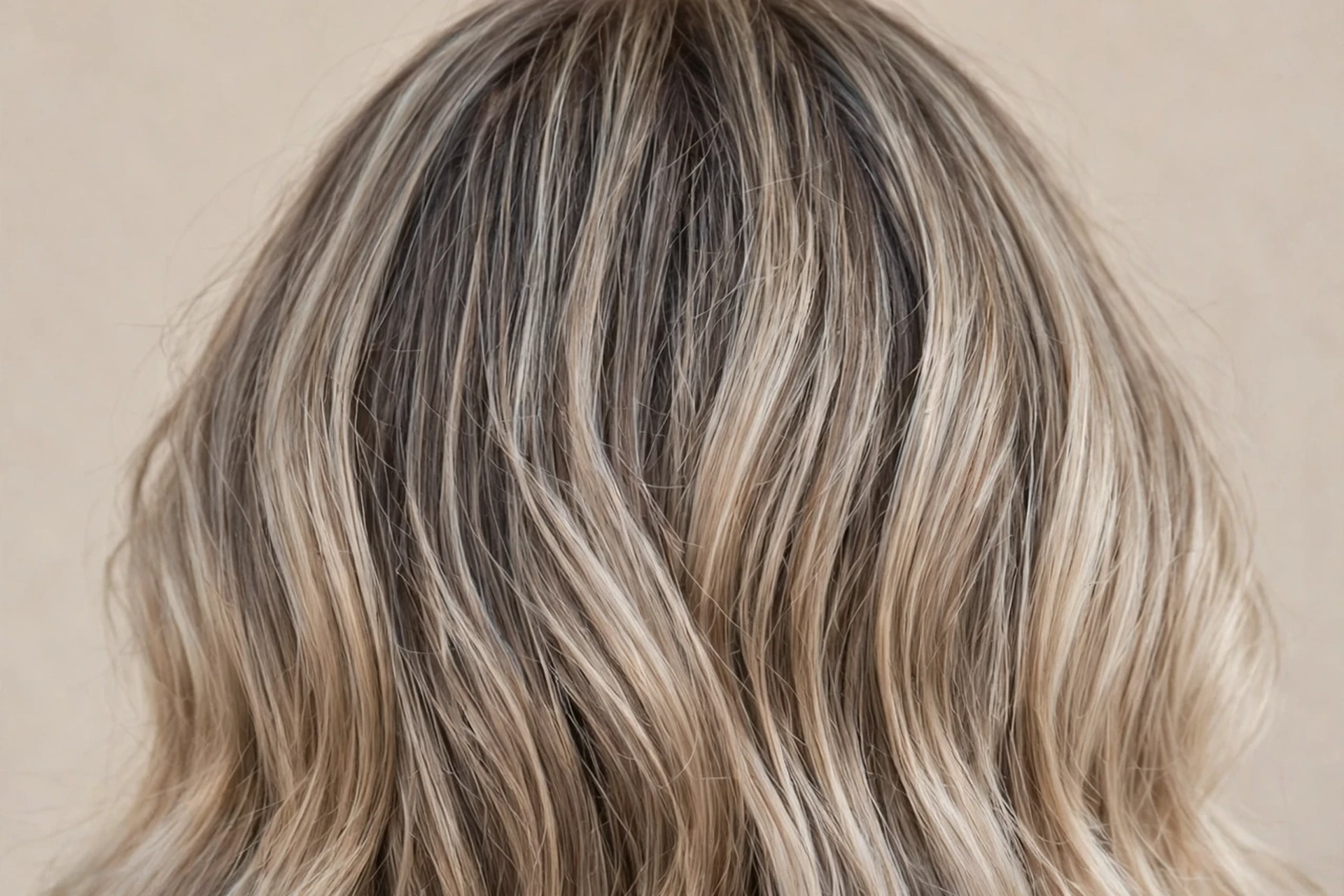
21. Cool Bronde
Bronde is a blend of brown and blonde, and the cool version is a level 7 with ash tones running through it. It is lighter than brown and darker than blonde, and it looks like the hair has been kissed by cold winter light. It is the shade to pick if you cannot decide between brown and blonde.
Who it suits: Cool and neutral skin tones, and anyone with naturally medium brown hair who wants to go lighter without going blonde. Bronde suits people who want a low maintenance lighter shade, because the grow-out is very gentle.
How to ask for it: Ask for a level 7 cool bronde with fine ash blonde highlights through the mid-lengths and ends. Tell the stylist you want the blend soft and well mixed, not striped, and ask for the highlights to start below the chin.
Upkeep: Low to medium. Bronde grows out gently, so you can stretch a touch-up to ten weeks. A purple shampoo once a week keeps it cool.
How it fades: Bronde fades into a soft light brown, which still looks good. It rarely goes brassy, because the base is cool to begin with.
You may also like: 22 Winter Outfits That Look Good Even When It Is Freezing
22. Smoky Rose Brown
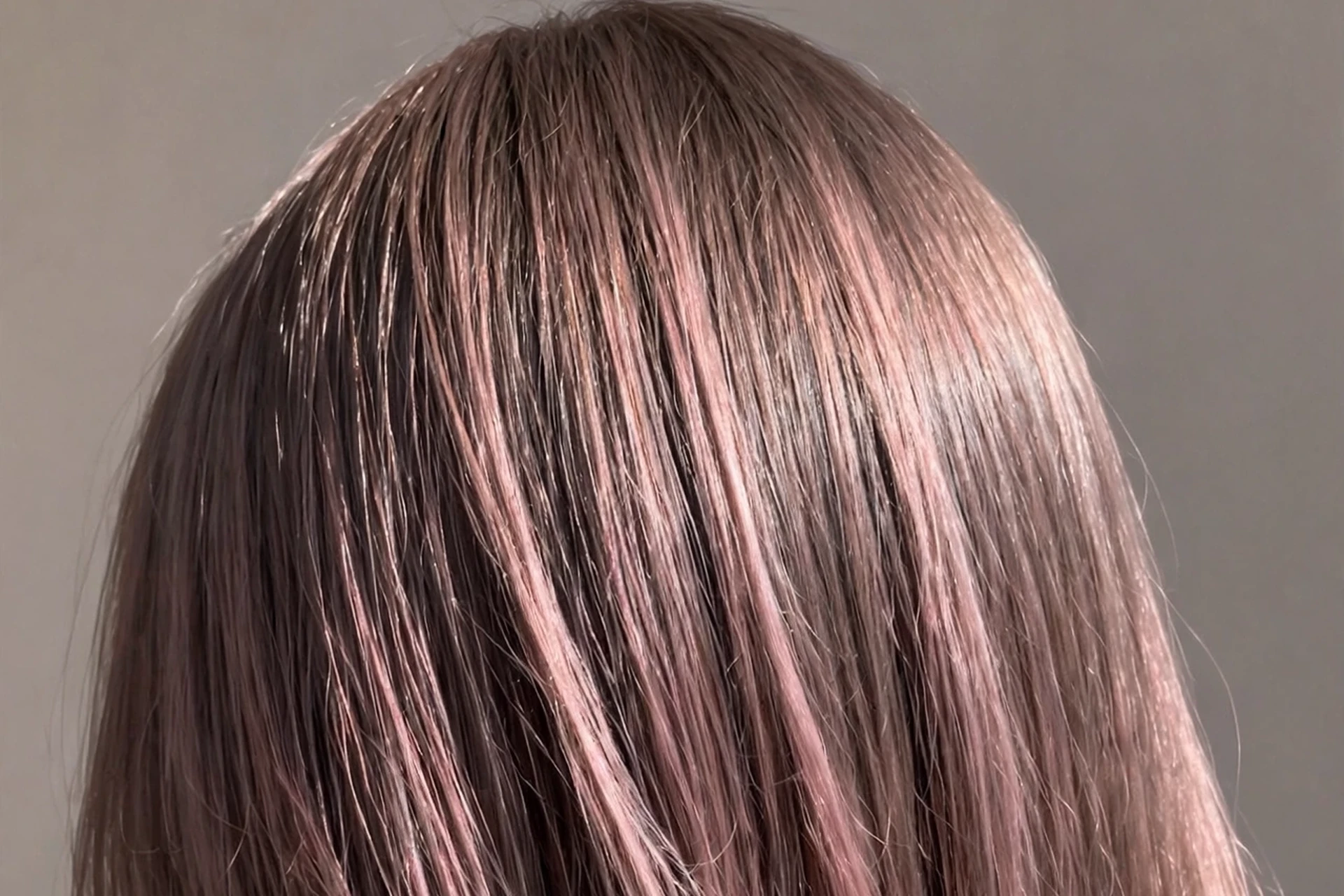
Smoky rose brown is a medium brown with a dusty pink reflect, and it is the most unusual shade on this list. In normal light it reads as a cool medium brown. In bright light, the rose comes out, and the hair looks like it has a soft pink glow. It is the shade to pick if you want something different that is still wearable every day.
Who it suits: Cool and neutral skin tones, and anyone who wants a brown with a twist. Smoky rose suits pale skin beautifully, and it makes blue and green eyes look brighter.
How to ask for it: Ask for a level 6 smoky rose brown with a dusty pink reflect. Tell the stylist you want the rose subtle, not pink, and ask for a gloss to add shine, because the rose needs light to show.
Upkeep: Medium to high. Smoky rose needs a color-depositing conditioner in a rose brown once a week to keep the pink alive, and a toner every six weeks.
How it fades: Smoky rose fades into a plain medium brown, and the rose is the first thing to go. The color-depositing conditioner is what keeps it from disappearing.
You may also like: Minimal Jewelry Ideas That Make You Look Put Together Without Trying
The 1-2-3 Winter Color Method
Every shade in this guide works better if you follow the same simple routine. I call it the 1-2-3 Winter Color Method, and it takes about fifteen minutes a week once you know it. It works on every shade in this list, from the darkest darks to the iciest blondes, because the routine is about the color, not the name of the shade.
1. Wash it cold and wash it less. Hot water opens the hair and lets the color escape. Cool water keeps it in. Wash your hair two or three times a week instead of every day, and use a dry shampoo on the days in between. This one change does more for your color than any product.
2. Use two products, not five. Winter hair colors need a color-safe shampoo and one care product after that, either a purple shampoo for cool shades or a color-depositing conditioner for warm shades. That is it. Heavy masks and oils can strip color or make it look dull. Two right products beat five wrong ones every time.
3. Book the gloss before the color fades. A gloss every six weeks adds shine, refreshes the tone, and seals the color in. It costs less than a full color appointment, it takes twenty minutes, and it is the difference between hair that looks freshly colored and hair that looks tired. Book it when you book the color, so you do not forget.
At a Glance
Use this table to find your starting point. The best winter hair colors match the person you actually are, not the shade that looked good on someone else. Winter hair color ideas work best when you match the shade to your skin tone and your upkeep, not just to the season.| Shade | Best for | Upkeep | How it fades |
|---|---|---|---|
| 1. Jet Black with a Blue Sheen | Cool skin, dark eyes | High, roots every 4 to 6 weeks | Into flat grey brown |
| 2. Espresso Brown | Almost everyone | Low, touch-up every 6 to 8 weeks | Into warm medium brown |
| 3. Deep Chocolate Brown | Warm skin, brown eyes | Low, touch-up every 6 to 8 weeks | Into milk chocolate |
| 4. Midnight Plum | Cool skin, dark eyes | Medium, violet conditioner weekly | Into dark brown |
| 5. Soft Black with Warm Lowlights | Warm skin going dark | Medium, refresh every 8 weeks | Into dark brown with warm streaks |
| 6. Dark Brown Hair with a Warm Glow | Warm skin, first dark shade | Low, touch-up every 8 weeks | Into lighter warm brown |
| 7. Chestnut Brown | Warm skin, hazel and green eyes | Low to medium, warm conditioner weekly | Into soft warm brown |
| 8. Milk Chocolate Brown | Warm skin, fine hair | Very low, touch-up every 8 to 10 weeks | Into light warm brown |
| 9. Toffee Brown with Soft Dimension | Warm skin, wavy hair | Medium, refresh every 8 to 10 weeks | Into warm medium brown |
| 10. Mushroom Brown | Cool skin, ashy hair | Medium to high, purple shampoo weekly | Into warm light brown |
| 11. Copper Glow | Warm skin, green eyes | High, copper conditioner weekly | Into strawberry blonde |
| 12. Auburn with Winter Depth | Warm skin, brown eyes | Medium to high, auburn conditioner weekly | Into warm medium brown |
| 13. Deep Burgundy | Cool skin, pale skin | High, burgundy conditioner weekly | Into dark brown |
| 14. Spiced Cinnamon Red | Warm skin, freckles | High, warm red conditioner weekly | Into strawberry brown |
| 15. Icy Blonde | Cool skin, light eyes | Very high, purple shampoo twice weekly | Into yellow blonde |
| 16. Winter Blonde with Cool Roots | Cool skin, dark blonde hair | Medium, purple shampoo weekly | Into soft cool blonde |
| 17. Platinum with a Smoky Shadow Root | Cool skin, very light hair | Very high, purple shampoo twice weekly | Into yellow blonde |
| 18. Silver Blonde | Cool skin, light hair | Very high, purple shampoo twice weekly | Into pale yellow blonde |
| 19. Pearl Blonde with Icy Highlights | Cool skin, fine hair | High, purple shampoo weekly | Into warm light blonde |
| 20. Dark Ash Brown | Cool skin, blue eyes | Medium, purple shampoo weekly | Into warm medium brown |
| 21. Cool Bronde | Cool skin, medium brown hair | Low to medium, purple shampoo weekly | Into soft light brown |
| 22. Smoky Rose Brown | Cool skin, pale skin | Medium to high, rose conditioner weekly | Into plain medium brown |
Do This Not That
| Do this | Not that |
|---|---|
| Pick the shade by your skin undertone, warm or cool | Picking by the photo alone, which ignores your skin |
| Shift one or two shades from your natural color for the first try | Jumping three or more shades in one sitting |
| Wash in cool water two or three times a week | Washing daily in hot water, which strips color fast |
| Use a color-safe shampoo and one care product that matches your shade | Piling on heavy masks and oils that dull the color |
| Book a gloss every six weeks to refresh the tone and shine | Waiting until the color looks tired before you do anything |
| Ask for a shadow root or a root melt if you want a gentle grow-out | Asking for a solid color to the root when you hate salon visits |
| Use a purple shampoo once a week on cool shades | Using purple shampoo every day, which can turn blonde grey |
| Use a color-depositing conditioner once a week on warm shades | Letting red and copper fade out completely before you refresh them |
| Tell your stylist exactly what you want and show two photos at the same shade | Saying just “make it darker,” which every stylist hears differently |
Your Winter Hair Color Weekend Plan
You do not need a whole weekend for this. One Saturday does it.
Saturday morning, the appointment. Book the first slot of the day so your stylist is fresh and unhurried. Bring two or three photos of the shade you want, all at the same depth, and tell your stylist three things: your natural color, whether your skin is warm or cool, and how often you are willing to come back. If you are still choosing, search for winter hair color ideas with your skin tone in mind, and bring the photos that match your undertone, not just the ones you like best. Show the photos, then let them look at your hair in daylight. A good stylist will check your natural color and your skin before they mix anything.
Saturday afternoon, the first wash. Do not wash it the same day if you can avoid it. Let the color settle for 24 to 48 hours. When you do wash it, use cool water and a color-safe shampoo, and skip the hot tools for the first few days. This is your test drive. If the shade is right, it should look rich and even, and your skin should look healthy, not washed out.
Sunday, the real test. Wear it down all day and look at it in different light. Does it look good in daylight and in warm indoor light? Does it make your eyes look brighter or your skin look tired? Does it feel like you? If something is off, call the salon on Monday. Most good salons fix a color for free within a week, and a gloss or a toner is a twenty-minute job.
Then every four to eight weeks. Book the next appointment before you leave the salon. Dark shades need a root touch-up every four to six weeks, blondes every four weeks, and browns every six to eight weeks. A shadow root stretches all of those by a few weeks. A gloss every six weeks keeps the tone fresh between full color appointments.
Take It Further
If you liked this guide, these articles from Supliice pair with it nicely. A fresh color deserves a cut that shows it off, an outfit that matches it, and nails that finish the look.
- 22 Medium Length Hairstyles for Thick Hair That Work So Well
- 22 Sweater Dress Outfits That Stay Warm Without the Bulk
- 22 Winter Outfits for Women That Beat the Freezing Cold
- 22 Winter Outfits That Look Good Even When It Is Freezing
- Minimal Jewelry Ideas That Make You Look Put Together Without Trying
- Medium Gold Hoops with Casual Outfits That Always Look Effortless
- 22 December Nails That Feel Festive and Look So Beautiful
- 22 Winter Nail Color Trends That Make Winter Feel Beautiful
Stylist’s Cheat Sheet
Keep this on your phone for your appointment.
- The words to use: “Please match the shade to my skin undertone, keep the grow-out gentle, and add a gloss so it shines.”
- The shade to ask for: One or two shades from your natural color. Darker for winter, but not a total overhaul.
- The technique to ask for: A shadow root or a root melt if you want a gentle grow-out. Fine lowlights or highlights for dimension, never chunky stripes.
- The technique to refuse: Lifting dark hair to icy blonde in one sitting, which damages the hair. And a razor on color-treated hair, which causes frizz.
- The wash rule: Cool water, two or three times a week, color-safe shampoo. Dry shampoo on the days in between.
- The care rule: Purple shampoo once a week for cool shades, color-depositing conditioner once a week for warm shades. One care product, not five.
- The gloss rule: A gloss every six weeks. It refreshes the tone, adds shine, and seals the color in.
- The trim schedule: Every eight to twelve weeks, so the ends stay healthy and the color looks fresh.
- The honesty note: Winter hair colors are strongly seasonal. Searches for winter hair colors peak in November and December every year and fall close to zero in spring and summer, so this guide is at its best right now, in the middle of the peak. The 2027-dated phrases you see online, like winter 2027 hair color trends and hair color trends 2027, show no real search volume, so this guide is about winter hair colors for this winter, not a forecast of next year’s trends. The general term hair color trends is actually falling in search, down from its peak a few years ago. And one more caution: you may see the phrase hair color winter 2026 in search results, but its numbers are mixed up with the Winter Olympics, not hair color, so I have not used it to pick these shades. The winter hair color trends that actually matter are the shades people keep coming back to every November, and those are the 22 above.
Questions People Ask
The best hair color for winter is the one that suits your skin tone and your upkeep, not the one that looks best in a photo. Dark shades like espresso and deep chocolate look richer against pale winter skin and dark coats. Warm browns like chestnut and toffee glow under low winter light. Coppers and reds add the warmth that winter takes away. And icy blondes look their best in cold, bright light. Pick by your undertone first, then by how much work you will do to keep it up.
Yes, a dark hair winter look suits almost everyone, and winter is the best season for it. Dark hair looks richer against pale winter skin and dark coats, and it makes the eyes look brighter. The trick is the undertone. Cool skin needs a cool dark like jet black or dark ash brown, and warm skin needs a warm dark like deep chocolate or soft black with warm lowlights. A dark shade with the wrong undertone is what makes skin look washed out, not the darkness itself.
Use a purple shampoo once or twice a week, depending on how cool you want the blonde to stay. Wash in cool water, wash less often, and get a toner every four to six weeks. A toner is a twenty-minute appointment that cancels the yellow and brings the cool tone back. Skip the hot tools when you can, because heat opens the hair and lets the cool tone escape faster.
It depends on the shade. Dark shades like jet black need a root touch-up every four to six weeks, because the grow-out shows fast. Blondes need one every four weeks for the same reason. Browns are more forgiving, and you can stretch them to six or eight weeks. A shadow root or a root melt stretches all of those by a few weeks, because the roots are already darker and the grow-out blends in. Book the next appointment before you leave the salon, so you do not forget.
A Last Word
Winter is the best season to change your hair color, because the season suits depth and the light suits shine. But the best winter color is not the most dramatic one on the list. It is the one that suits your skin, fits your routine, and still looks good in February when the shine has worn off a little. That is why the shades in this guide all come with the honest part: who they suit, how much work they take, and how they fade.
Pick one shade from this list, take the cheat sheet to your appointment, and use the exact words in it. Your stylist will know what you mean, and your hair will thank you for it. Then come back and tell me which one you picked. I read every comment, and I love hearing which shade finally felt like you.
Neuman