Too Long; Didn’t Read
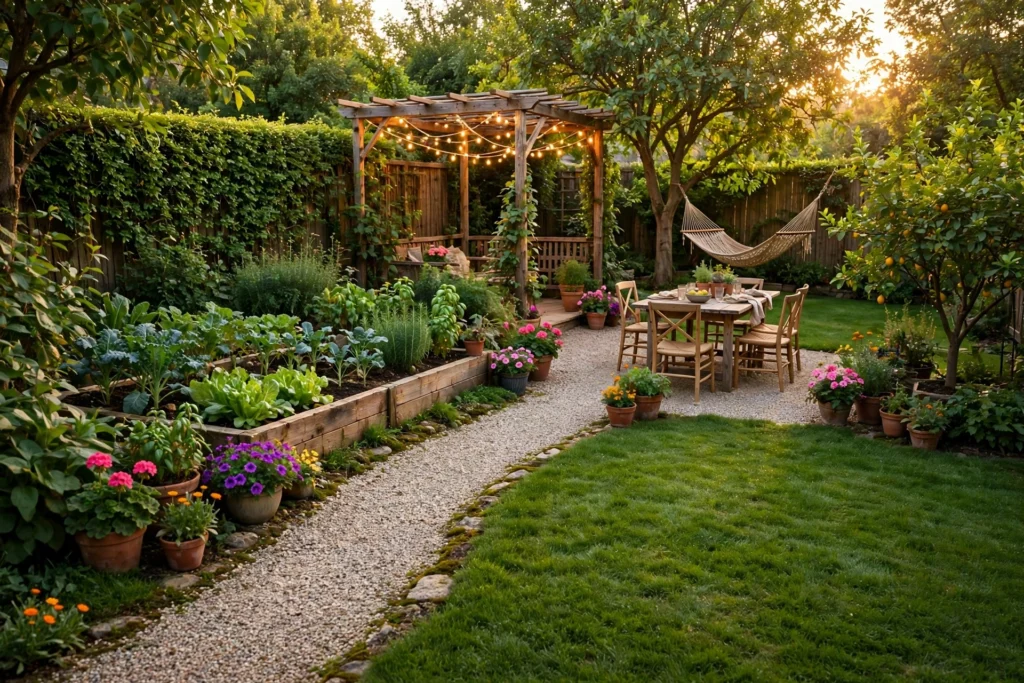
The best backyard landscaping starts with one afternoon of observation, noting sun, shade, and water, before you spend a single dollar. Simple projects like mulch, gravel paths, potted plants, raised beds, and string lights deliver the biggest visual change for the least money. Native plants, perennials, and drought tolerant choices keep maintenance low. If you are searching for backyard landscaping ideas, easy backyard landscaping for beginners, or cheap backyard landscaping ideas, you will find all three here, plus the planning steps that keep you from wasting money on the wrong plants.
What's Inside This Guide
ToggleThe Yard I Almost Gave Up On
My first backyard was a rectangle of patchy grass, a cracked patio, and a fence that leaned a little to the left. I spent one spring buying plants at random, whatever looked pretty at the garden centre, and planting them wherever there was a gap. By August, half of them were dead, because I had put sun loving plants in the shade and thirsty plants in the dry corner. The yard looked worse than when I started.
The next spring I did the opposite. I spent one Saturday just watching the yard, noting where the sun fell in the morning and the afternoon, where the water pooled after rain, and where we actually walked from the back door to the gate. Then I drew a rough sketch on paper, set a budget, and bought plants that matched each spot. That year the yard came alive, and the whole project cost less than the random plants I had killed the year before. That is the whole idea behind this list. A backyard does not need a designer or a big budget. It needs a plan, one project at a time, and plants that suit the spot they are in.
The 3 Things That Make Backyard Landscaping Work
Before you buy a single plant, these three things decide almost everything.
1. Observe before you buy. Spend a day watching where sunlight hits and where water collects. Sketch the yard on paper before you buy anything, because it is easier to move lines on paper than to dig up planted beds. Look up your USDA Hardiness Zone online, because it tells you which plants will survive your local winters.
2. Start with structure, then plants. A path, a patio edge, a raised bed, or a fence line gives the yard its shape. Plants fill the shape in. A yard with good structure and a few plants looks finished, while a yard with many plants and no structure looks like a jungle.
3. Choose low maintenance plants first. Native plants, perennials, and drought tolerant choices need less water, less feeding, and less attention once they are established. Start with hardy perennials like daylilies, hostas, and sedum, and add annuals like marigolds and zinnias for instant colour that blooms all season.
Keep those three in mind and every idea below will make sense.
21 Backyard Landscaping Ideas
1. Lay a Simple Gravel Path
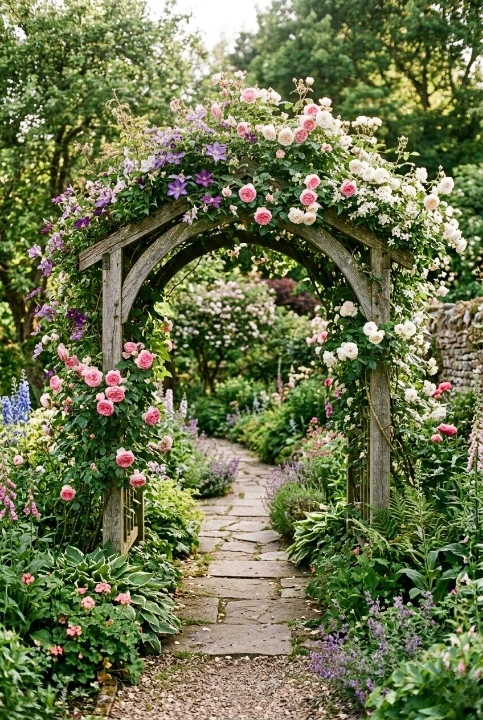
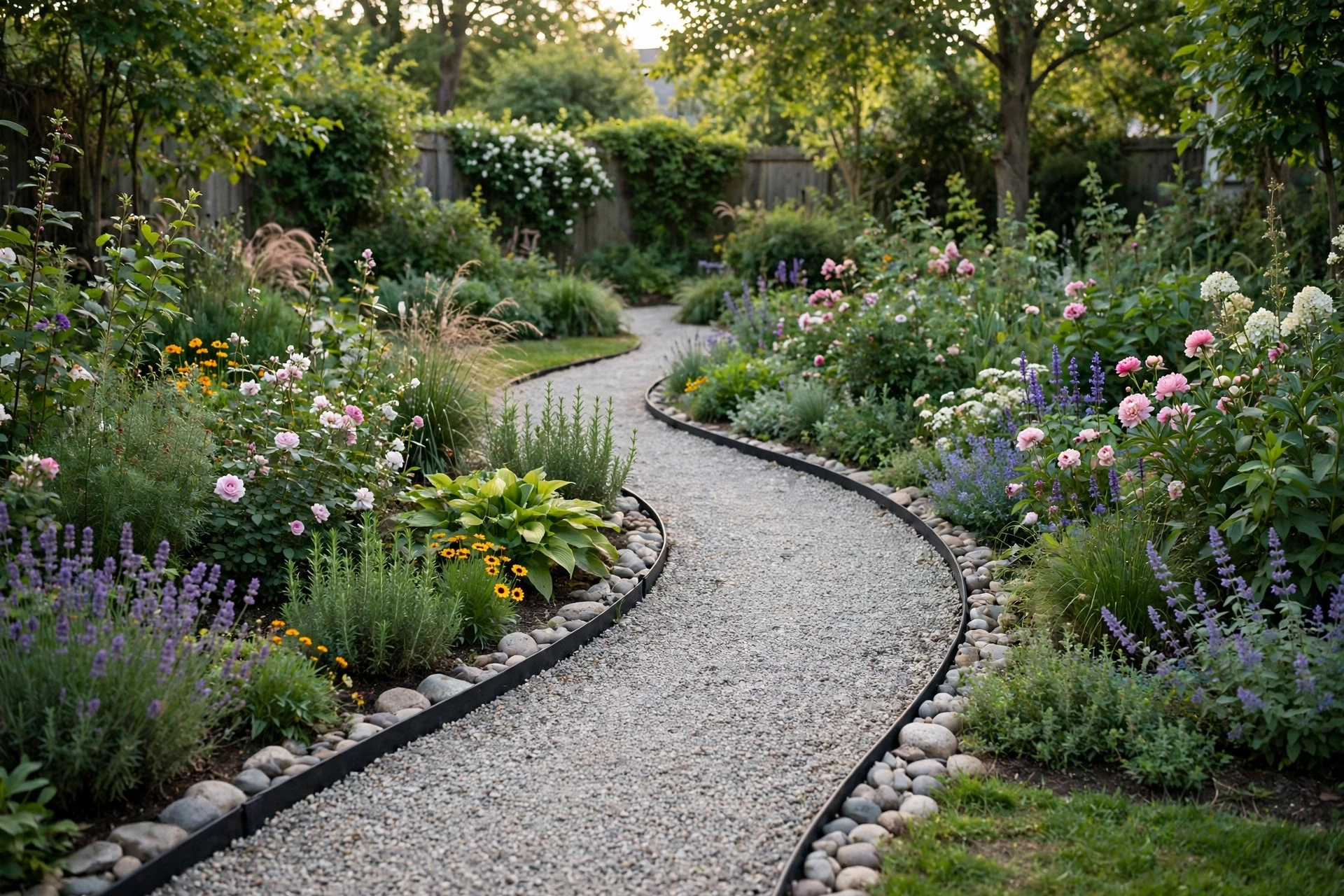
A gravel path is the fastest way to make a backyard look organized. It creates a clear route from the back door to the seating area or the garden, and it defines the space without any construction. Lay landscape fabric first to stop weeds, add flexible edging to hold the shape, and fill with river stones or pea gravel.
A curved path looks more natural than a straight one, and it makes a small yard feel larger by creating visual depth. Use light coloured gravel in a shady yard, because it reflects the available light. This project takes three to four hours and costs well under 100 dollars for a short path.
You may also like: 21 Cozy Christmas Living Room Decor Ideas That Make Your Home Feel Magical
2. Refresh the Mulch in Every Bed
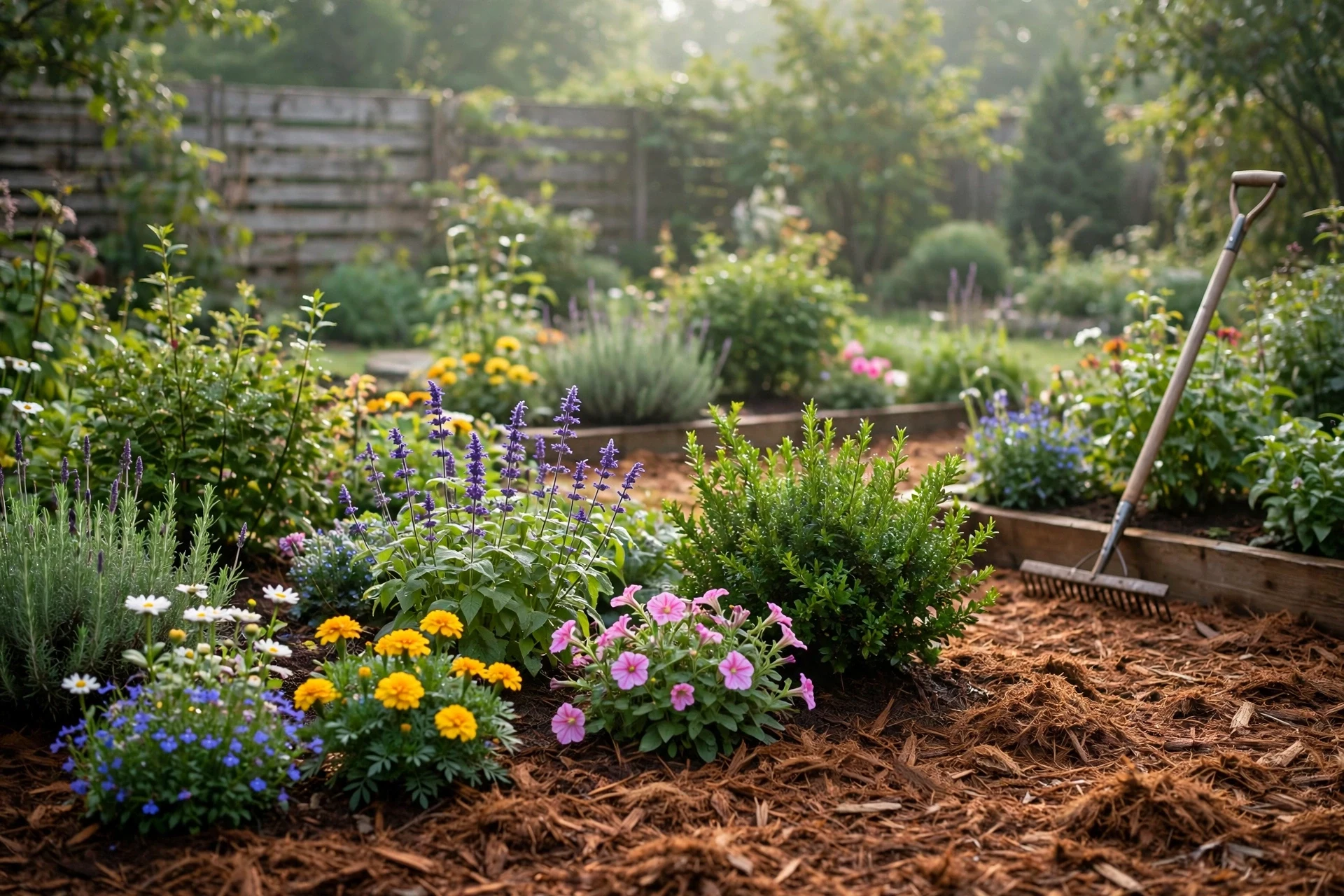
Fresh mulch is the single cheapest transformation in landscaping. A two to three inch layer of cedar or pine mulch over existing beds instantly cleans up problem areas, covers exposed soil, and makes the plants look intentional. It also holds moisture in the soil and suppresses weeds, so it saves work all season.
Spread the mulch with a garden rake for an even layer, and keep it a few inches away from plant stems and tree trunks so it does not cause rot. One bag costs about 15 dollars and covers a small bed, so a whole yard refresh usually costs less than 50 dollars. Do this first, before any other project, because it makes everything else look better.
You may also like: Living Room Decor Ideas That Feel Cozy and Clean
3. Build a Raised Garden Bed
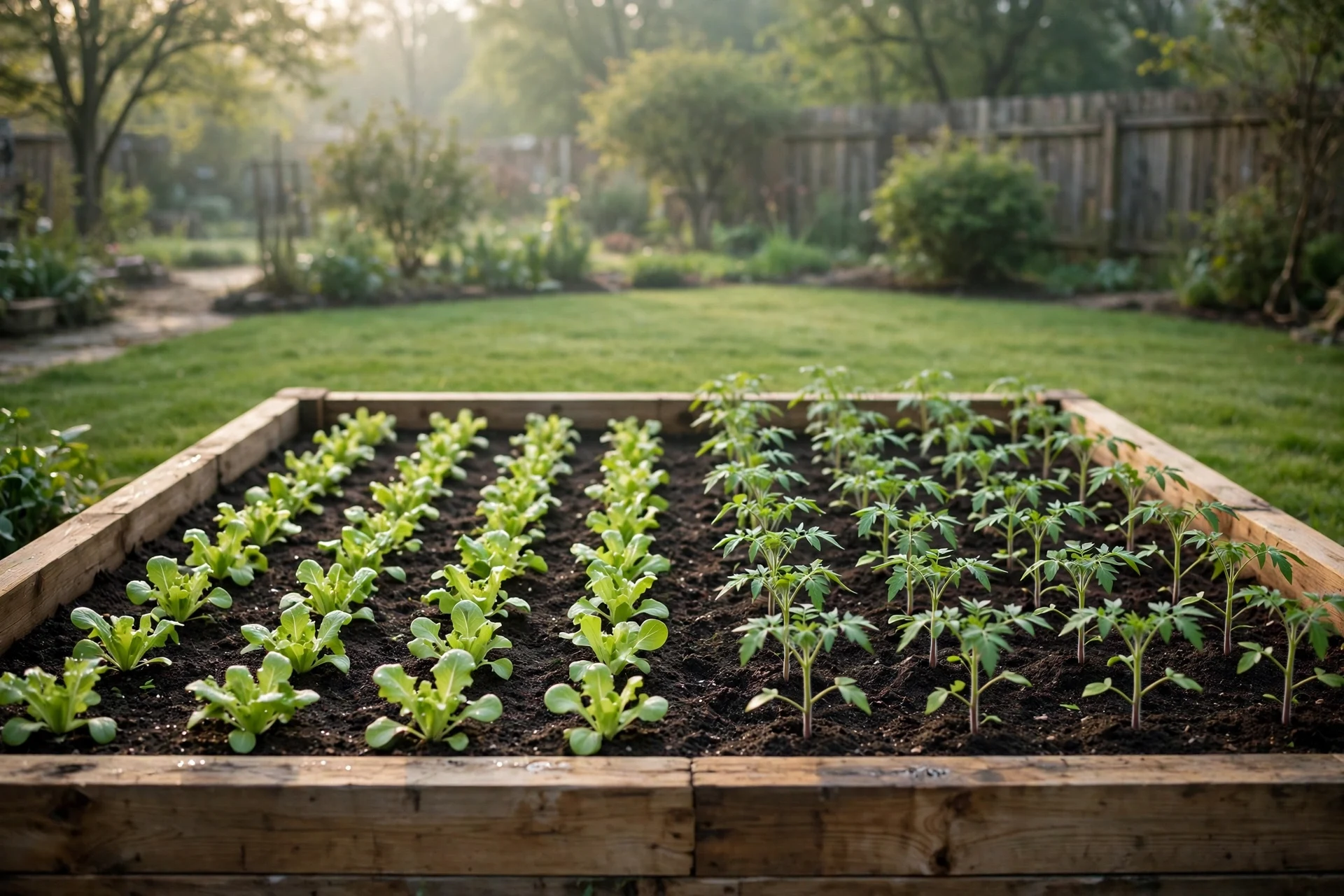
A raised bed is the easiest way to grow vegetables, herbs, or flowers in a yard with poor soil. Build a simple rectangle from untreated lumber, fill it with a soil and compost mix, and plant it the same day. The bed warms up faster in spring, drains better than ground soil, and is easier to reach without bending to the ground.
Place the bed where it gets at least six hours of sun, and keep it narrow enough to reach the middle from either side, about four feet wide at most. A raised bed takes about two hours to build and costs under 100 dollars in lumber and soil. It is the project that turns a backyard into a productive garden.
You may also like: Mirror Wall Decor Ideas That Make Your Living Room Feel Bigger and Better
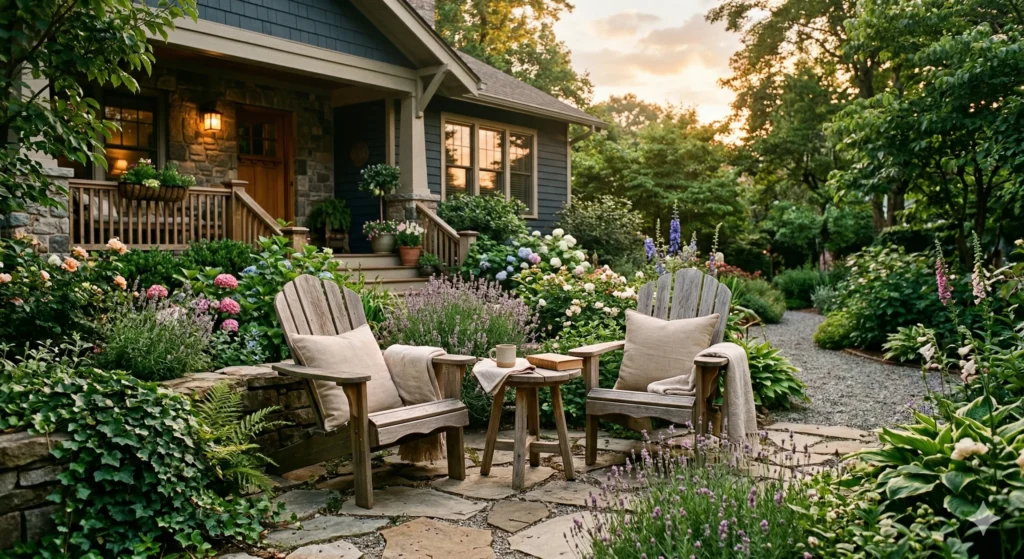
4. Cluster Potted Plants by the Seating Area
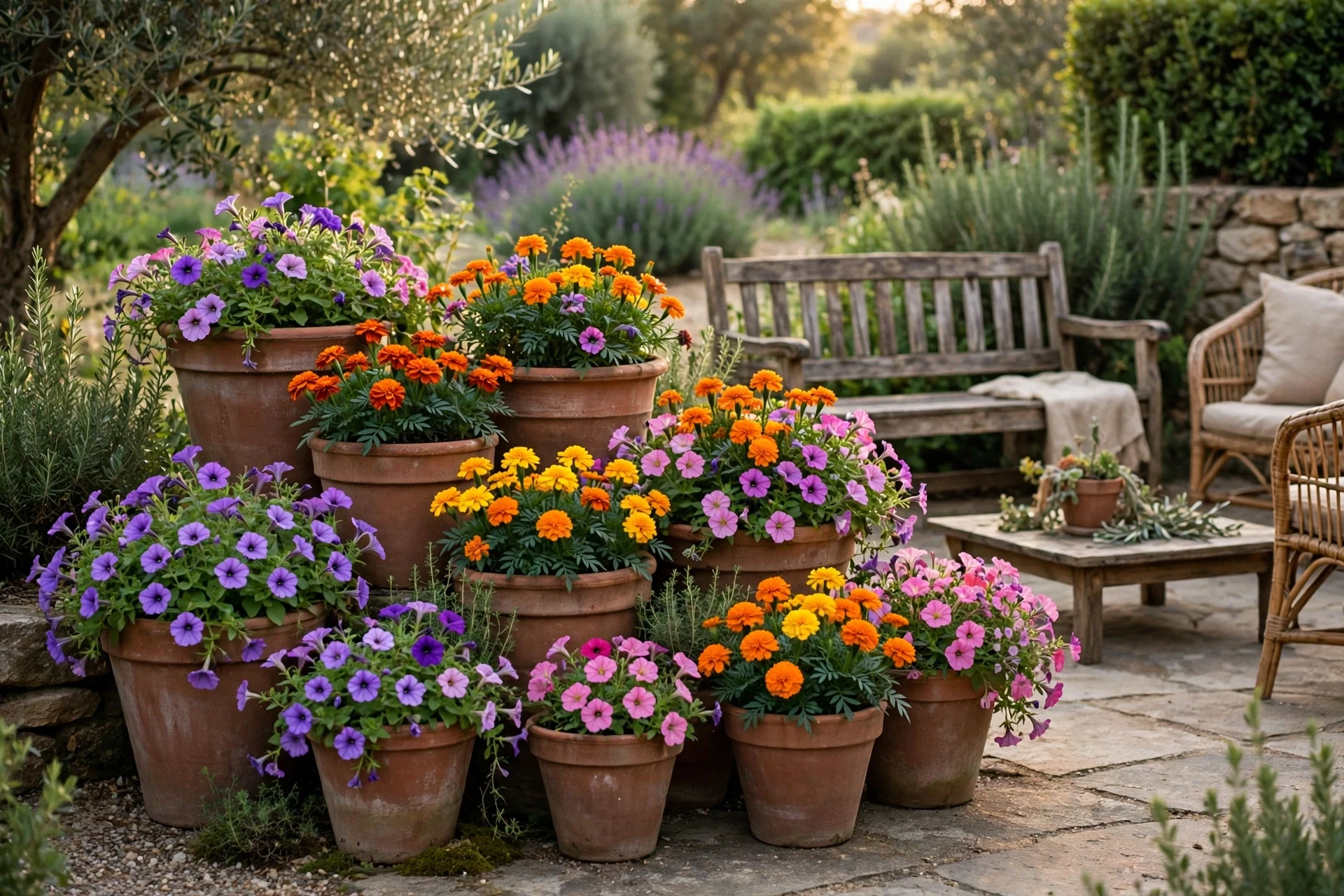
Potted plants are the fastest colour in landscaping, because you can buy them full grown and arrange them in an afternoon. Group three to five containers of varying heights near the seating area, using annuals like petunias or marigolds for instant colour. The cluster reads as one arrangement, while a single pot alone looks lonely.
Use pots in the same material or colour family, terracotta, for example, so the group looks intentional rather than random. Water container plants more often than beds, because pots dry out fast in sun. This project takes 45 minutes and costs 30 to 50 dollars.
You may also like: Midcentury Modern Interior Ideas That Still Feel Timeless Today
5. Hang String Lights Between Trees or Posts
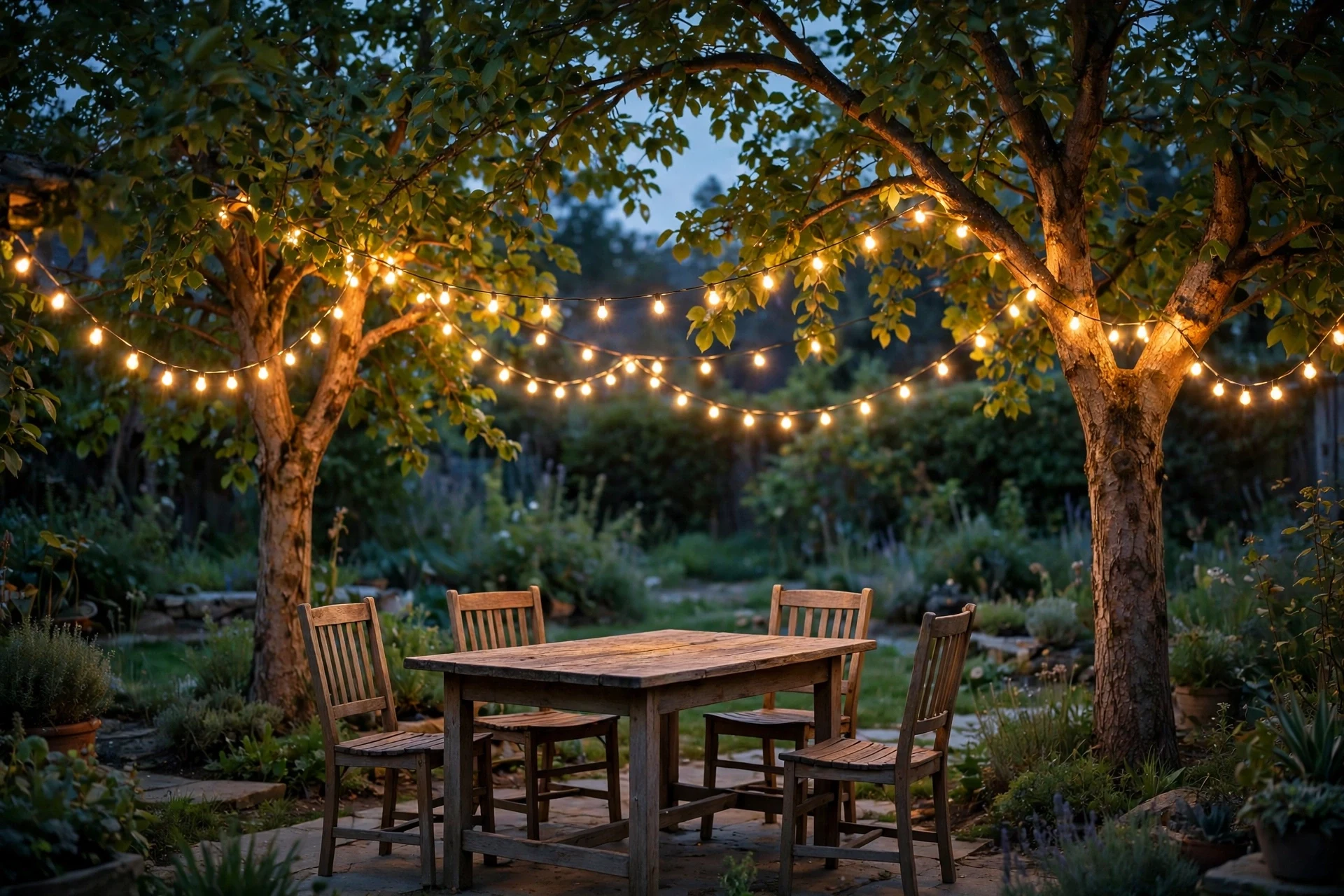
String lights turn a backyard into an evening room. Drape weatherproof bulbs between trees or fence posts in a gentle curve, and turn them on at dusk for a warm glow that makes the whole yard feel magical. The lights also make the seating area usable after dark, which doubles the value of the yard in summer.
Choose warm white bulbs, not bright white, and hang them high enough to walk under comfortably. A single strand costs 20 to 40 dollars and takes 30 minutes to install. Put the lights on a timer so they come on by themselves, and the yard will invite you outside every evening.
You may also like: Wall Decor Ideas That Look Clean and Modern
6. Plant a Native Plant Cluster
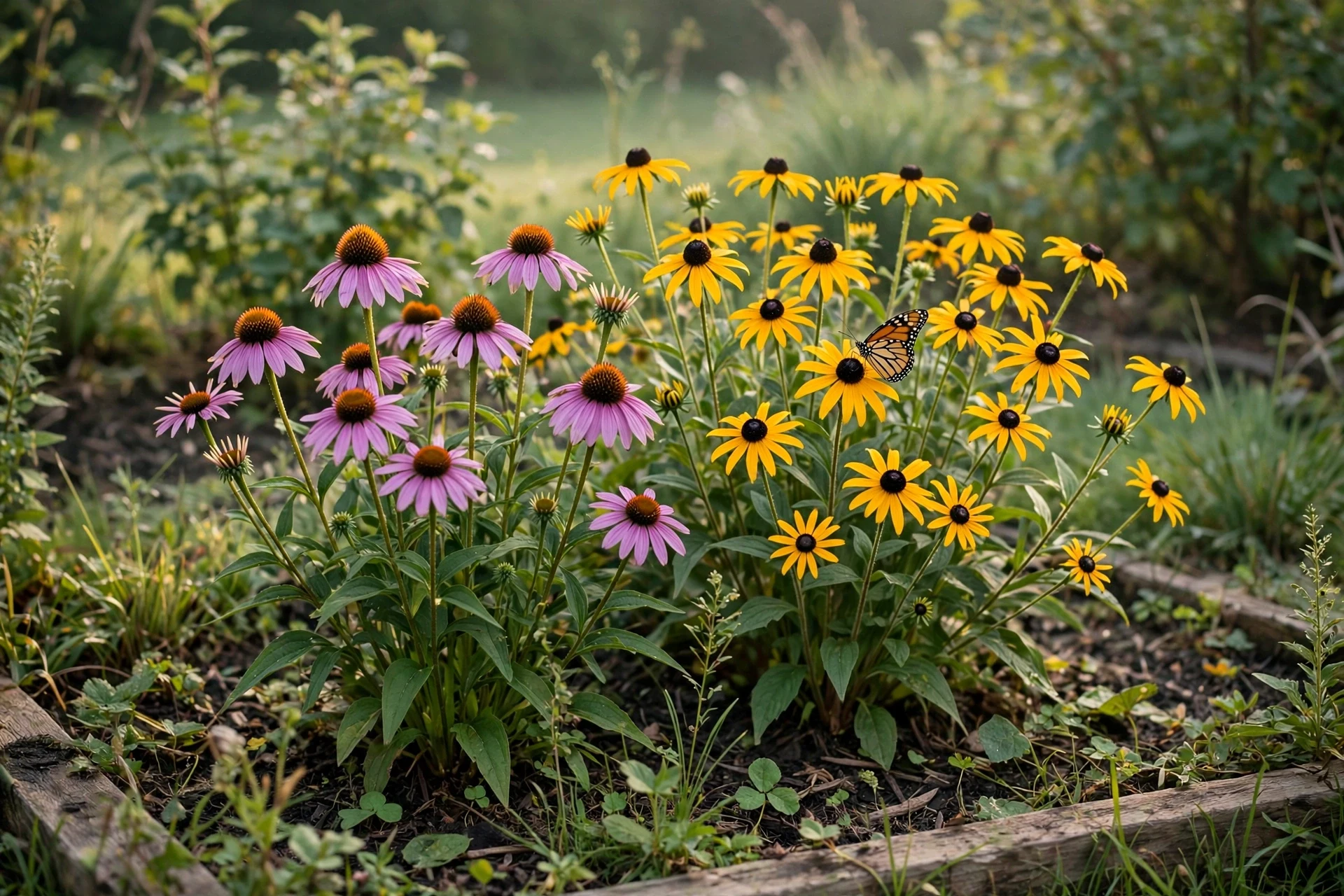
Native plants are the lowest maintenance choice in any yard, because they evolved for your local soil and climate. A cluster of three to five native perennials, planted together in a sunny or shady spot, needs less water, less feeding, and less attention than imported plants, and it supports local pollinators too.
Ask your local nursery which natives do well in your area, and plant them in groups of the same species rather than one of each, because a group reads as a design while singles read as accidents. This project takes an afternoon and costs 30 to 60 dollars for the plants.
You may also like: Cozy Studio Apartment Ideas That Make Small Spaces Feel Bigger and Warmer
7. Create a Rock Garden
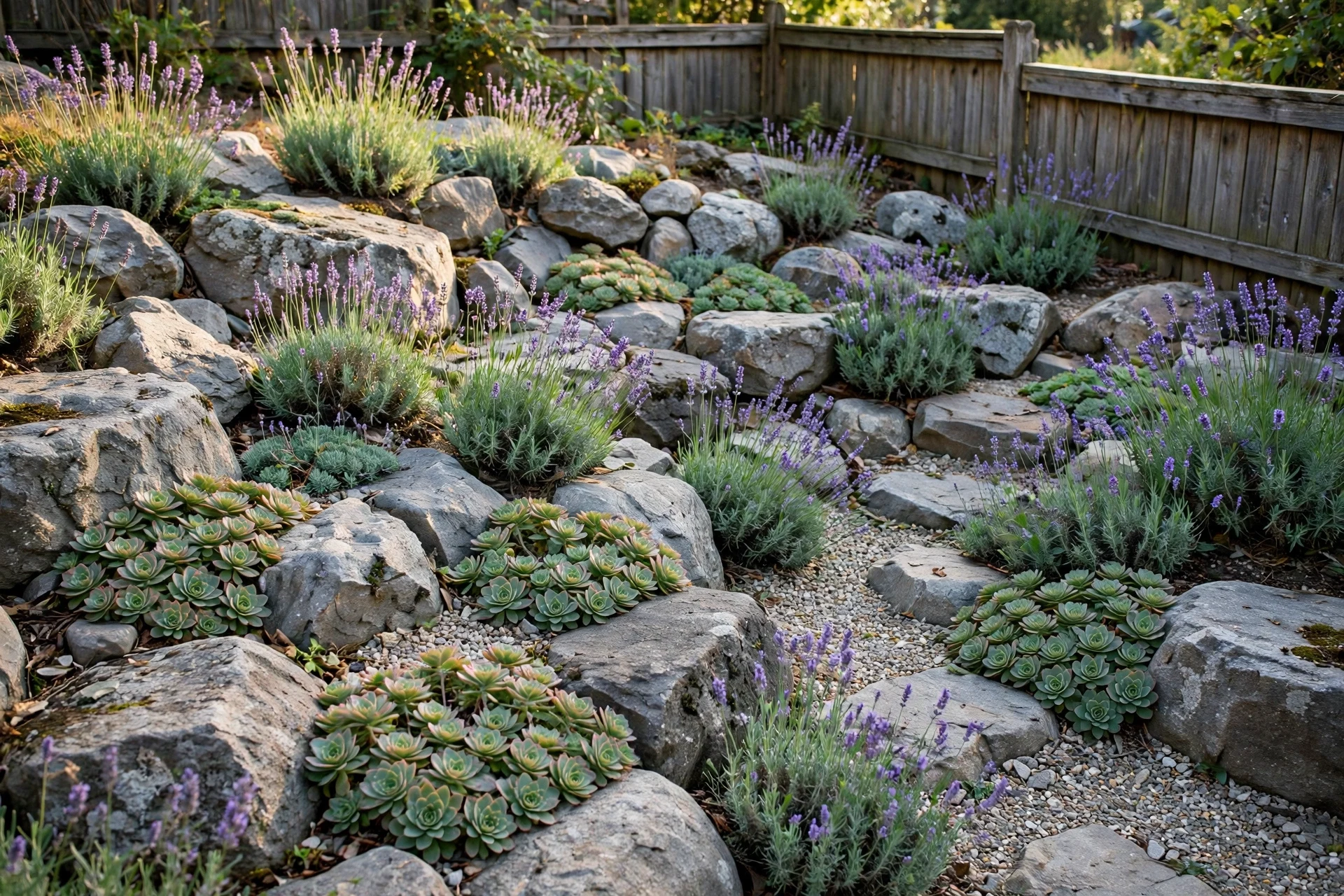
A rock garden is the answer for a dry, sunny corner where nothing else wants to grow. Arrange rocks of mixed sizes in a natural looking group, fill the gaps with gravel, and plant drought tolerant succulents, sedum, and lavender between the stones. The rocks hold heat, the plants need almost no water, and the whole bed looks good all year.
Use local stone if you can, because it matches the natural landscape and costs less than imported rock. Keep the rock garden to one area rather than scattering rocks all over the yard, because a defined rock garden looks designed while scattered rocks look like a mess. This project takes a weekend and costs 50 to 100 dollars.
You may also like: Earthy Cozy Bedroom Ideas That Feel Warm, Calm, and Real
8. Add a DIY Stepping Stone Path
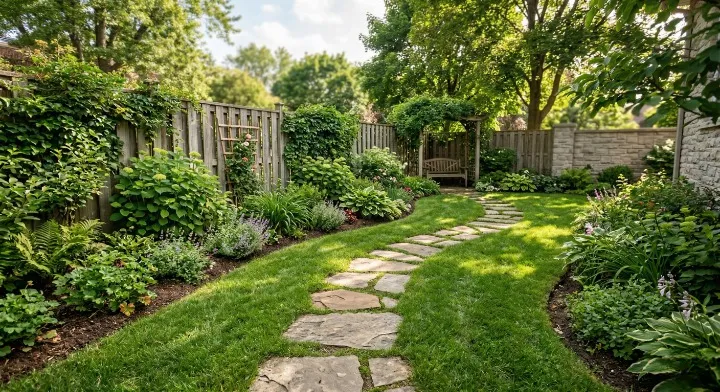
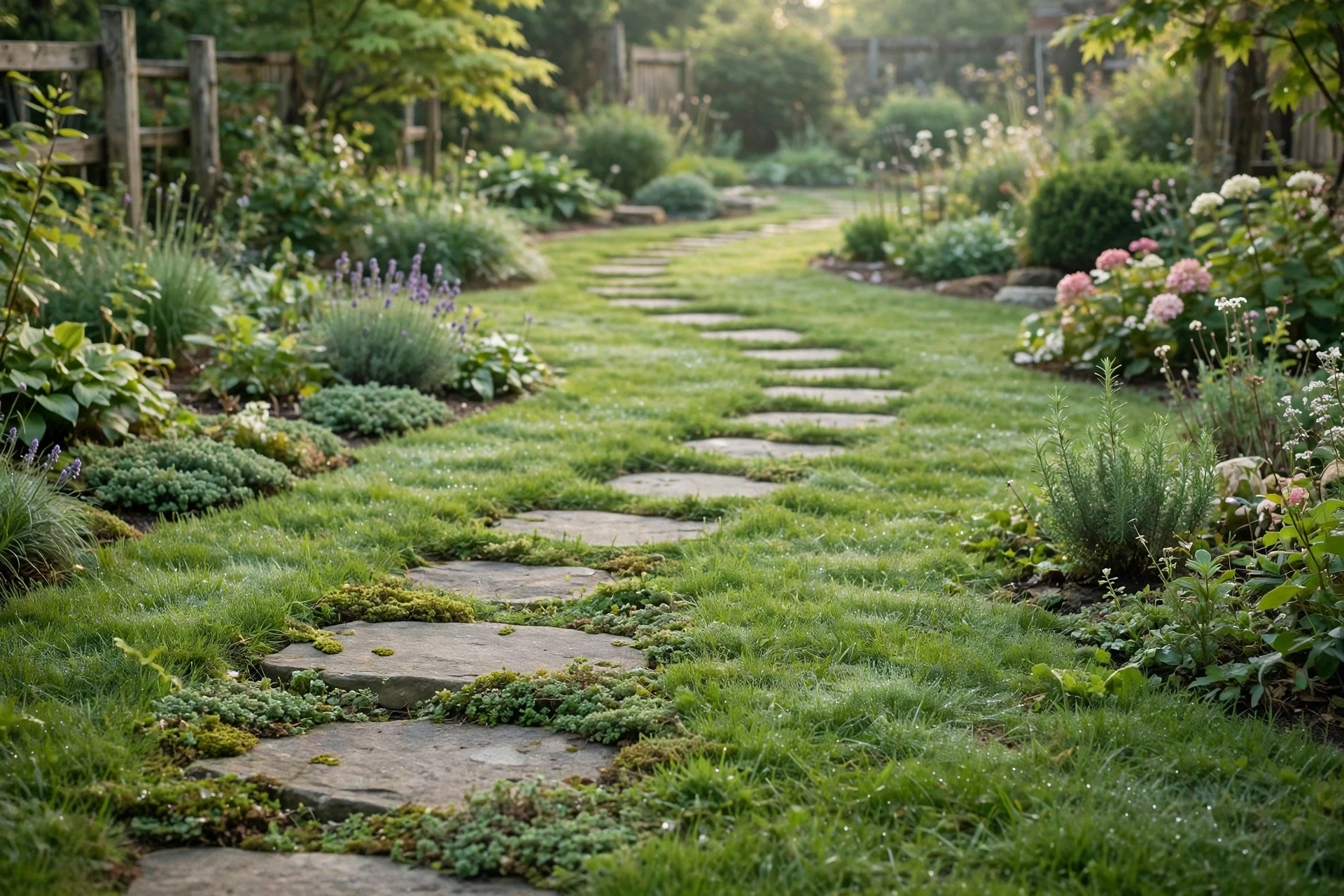
Stepping stones create an informal pathway without covering the whole yard in gravel or paving. Set large flat stones in the grass or in a mulch bed, spaced a comfortable step apart, and let grass or ground cover grow between them. The path feels natural and costs very little if you use reclaimed stone or concrete pavers.
Space the stones about 18 inches apart, centre to centre, and set them level with the ground so the mower can pass over them. This project takes two to three hours and costs 20 to 50 dollars. It is the easiest path to build, and it suits a cottage or natural style yard best.
You may also like: 10 Creative Kids Room Design Ideas That Feel Fun, Cozy, and Practical
9. Build a Simple Pergola for Shade
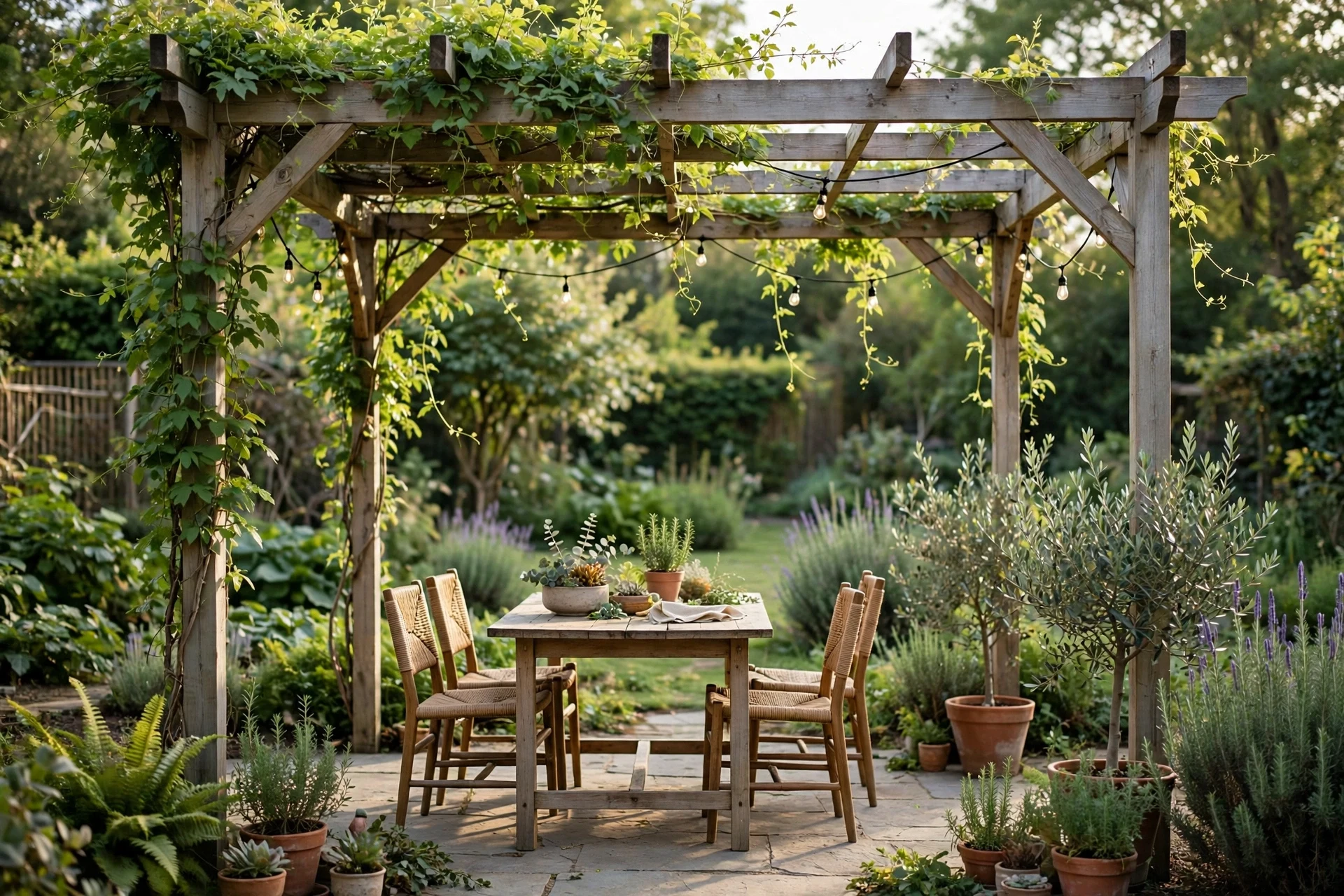
A pergola turns a sunny patio into a shady outdoor room. Four posts, a few cross beams, and a simple slatted roof give you shade, a place to hang string lights, and a structure for climbing plants like morning glories or jasmine. A pergola takes a weekend to build, but it changes how the whole yard is used.
Keep the design simple, with clean lines and untreated wood that weathers naturally. Place it over the seating area, not in the middle of the lawn, so it defines a destination. A basic pergola costs 200 to 500 dollars in lumber, and it adds more value to the yard than almost any other single project.
You may also like: How to Style a Boho Apartment: A Complete Guide to a Warm and Relaxed Space
10. Define Beds With Simple Edging
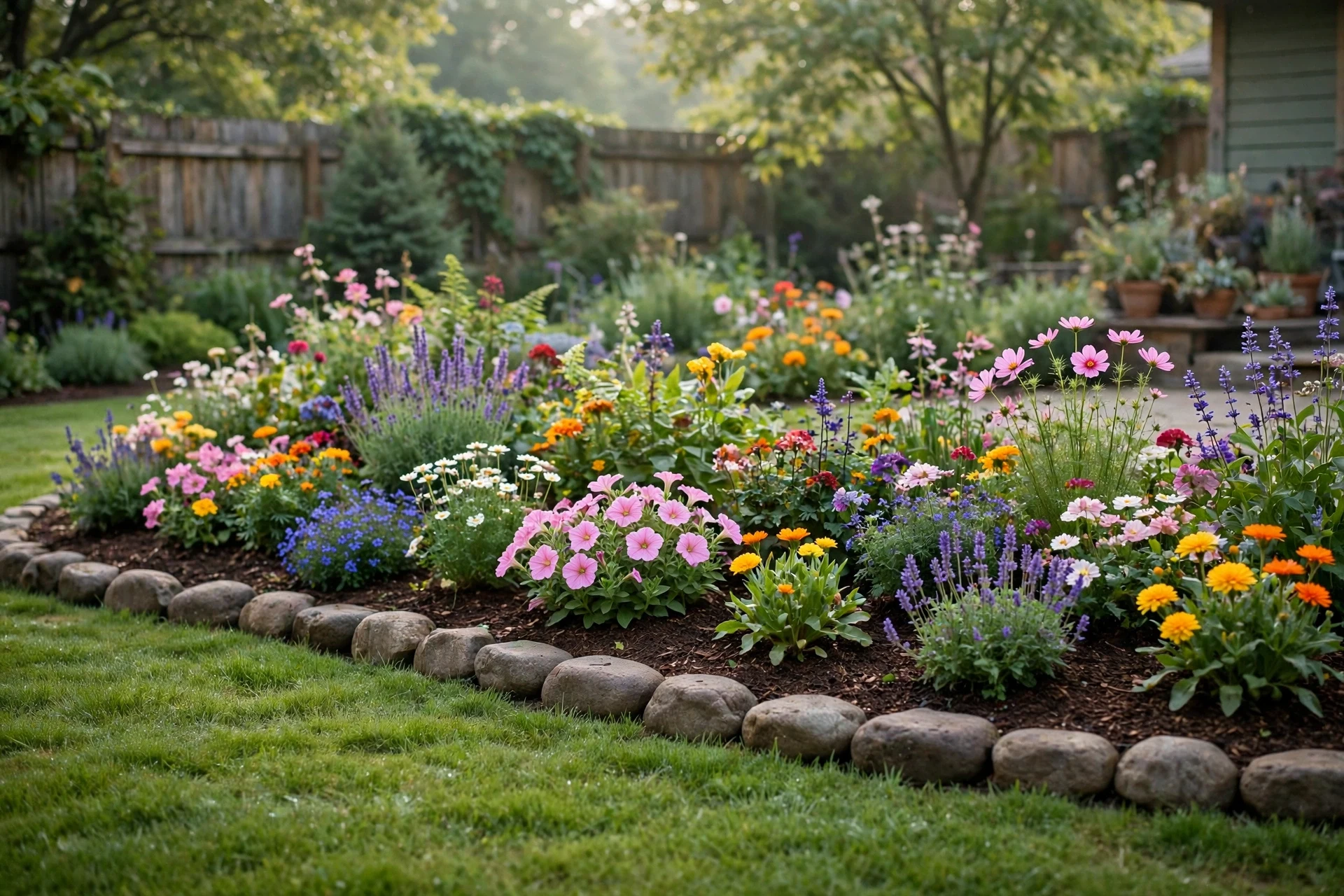
Edging is the detail that makes a yard look professional. A clean edge between the lawn and the flower beds, made with stone, brick, or metal edging, stops grass from creeping into the beds and makes the whole yard look cared for. It also makes mowing easier, because the mower can follow the edge.
Lay a garden hose along the bed first to trace the shape, then install the edging and fill the bed with mulch. A curved edge looks more natural than a straight one, and it makes a small yard feel larger. This project takes an hour and costs 20 to 40 dollars for a small bed.
You may also like: Midcentury Modern Interior Ideas That Still Feel Timeless Today
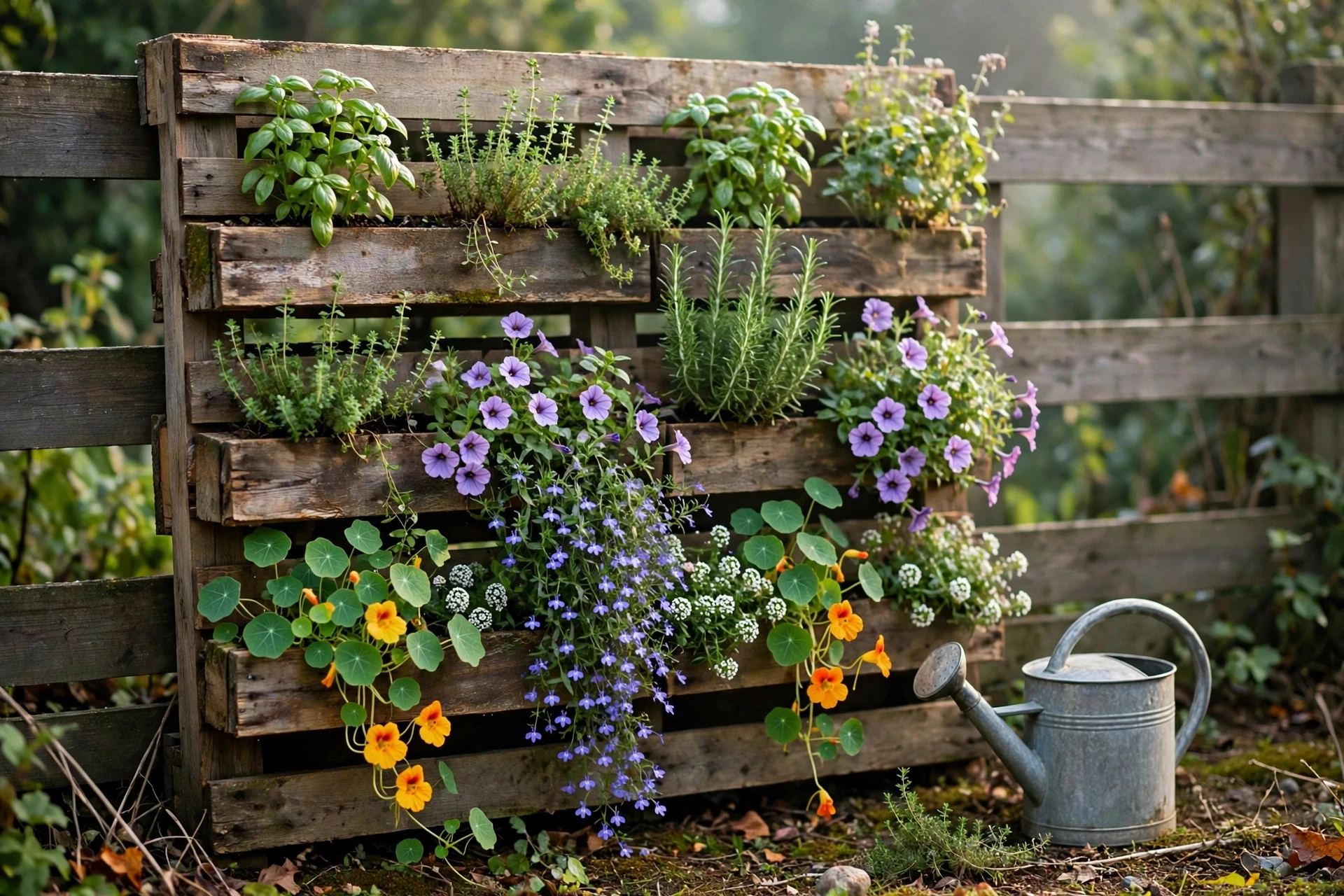
11. Make a Pallet Vertical Garden on the Fence
A vertical garden turns a bare fence into a living wall. Repurpose a wooden pallet, line the back with landscape fabric, fill the pockets with soil, and plant herbs, strawberries, or trailing flowers. Lean it against the fence or mount it securely, and water it regularly, because vertical planters dry out fast.
This is the best idea for a small yard, because it adds planting space without taking up any ground. It costs almost nothing if the pallet is free, and it takes two hours to build. Grow herbs here, because they are useful, fragrant, and easy to reach from the kitchen door.
You may also like: Living Room Decor Ideas That Feel Cozy and Clean
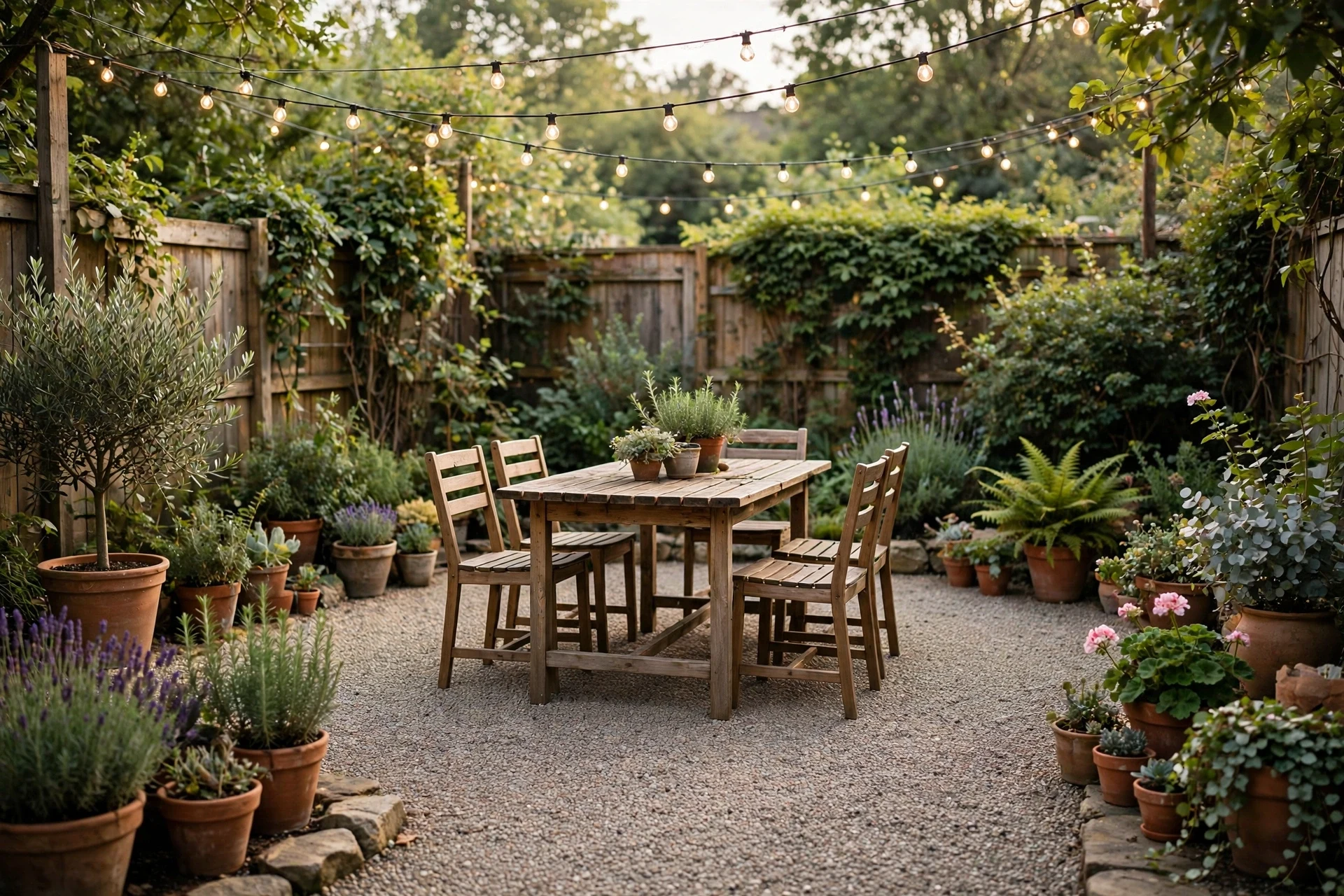
12. Lay a Gravel Patio
A gravel patio is the cheapest way to create an outdoor living area. Mark out a rectangle where you want to sit, lay landscape fabric, add edging, and fill with pea gravel or crushed stone. Add a table and chairs, and you have a patio that drains well, costs very little, and can be built in a day.
Use a fine gravel that compacts well underfoot, and rake it level once a week to keep it tidy. A gravel patio costs 100 to 300 dollars depending on size, which is a fraction of a paved patio. It suits a casual, cottage style yard best, and it can be removed or reshaped later without any demolition.
You may also like: Cozy Warm Bedroom Aesthetic with Simple Bedding Ideas That Actually Work
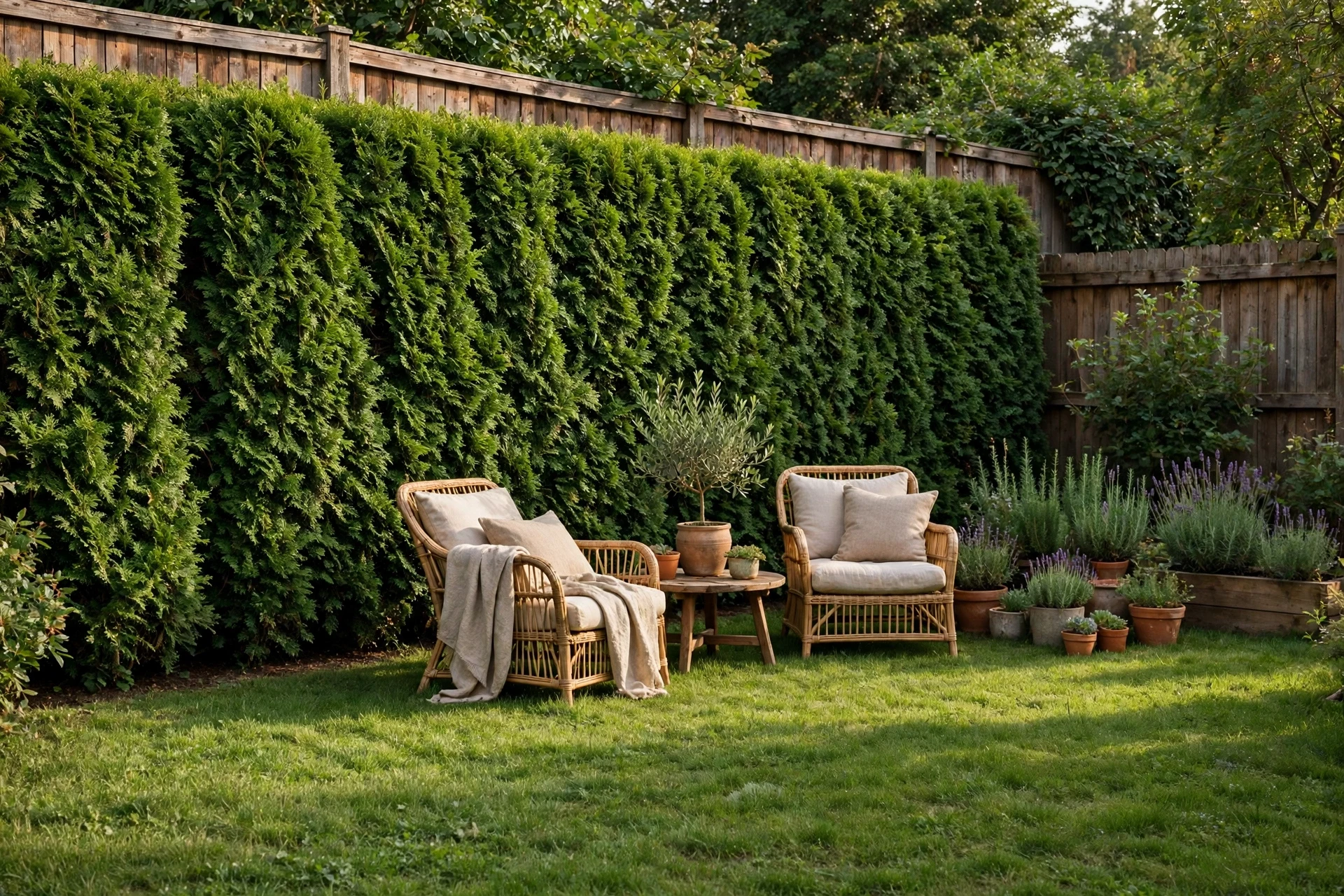
13. Plant a Privacy Hedge or Screen
A privacy hedge turns a backyard into a private room. Plant a row of fast growing shrubs or small trees along the fence line, like arborvitae, bamboo in containers, or laurel, and let them grow into a living wall. The hedge blocks the neighbours view, softens the fence, and adds a green backdrop to the whole yard.
Choose plants that suit your climate and your fence height, and space them according to their mature width, not their size in the pot. A hedge takes two to three years to fill in, so be patient, and water it well in the first year. This is a long term project, but it changes the feel of the yard more than any other planting.
You may also like: 10 Creative Kids Room Design Ideas That Feel Fun, Cozy, and Practical
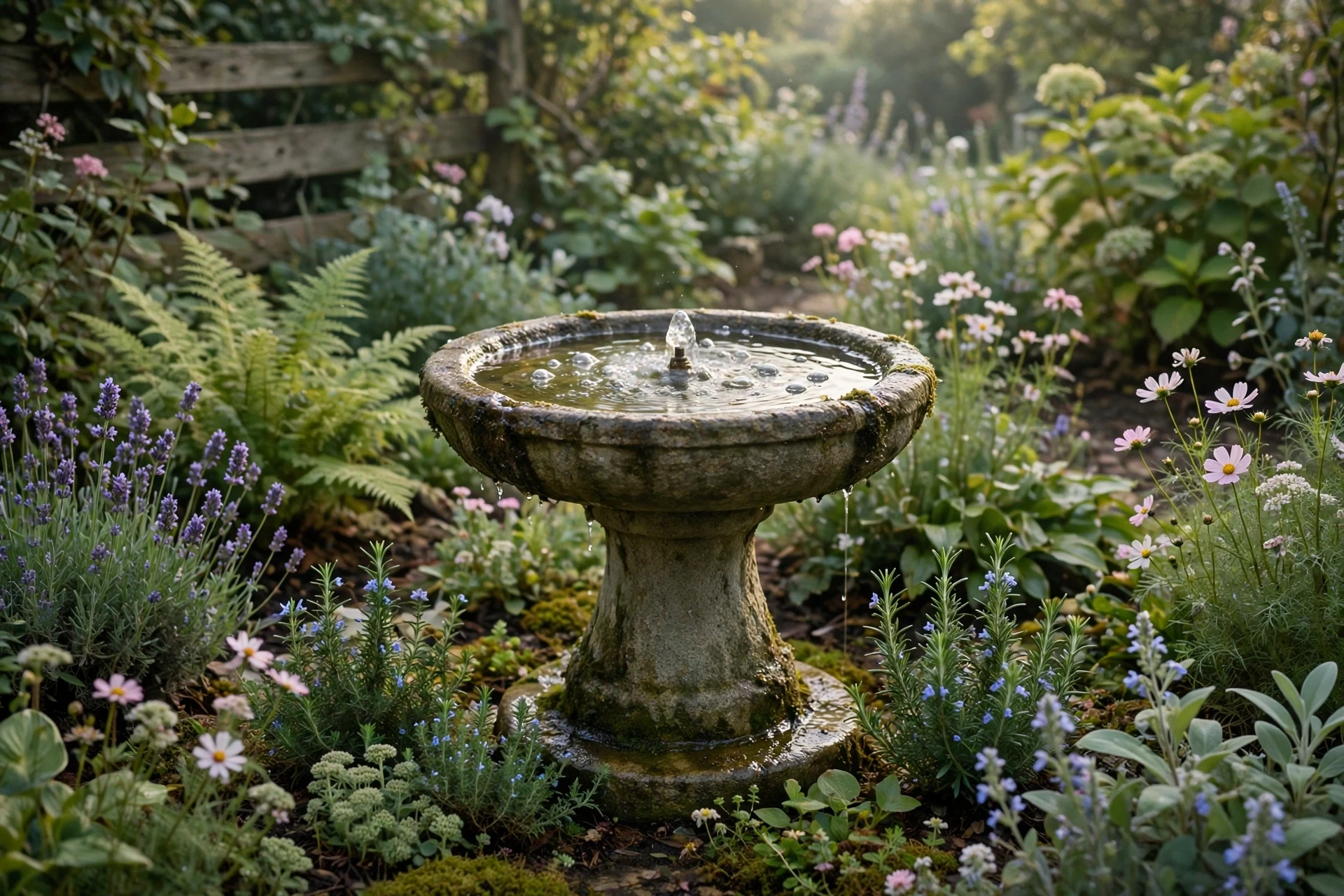
14. Add a Small Water Feature
A small water feature, a bubbling fountain, a bird bath, or a simple container pond, adds sound and movement to a yard. The sound of water masks street noise, attracts birds, and makes the seating area feel calm. A solar powered fountain needs no wiring and costs 30 to 60 dollars.
Place the water feature where you can hear it from the seating area, and keep it clean so mosquitoes do not breed in it. A bird bath on a pedestal is the simplest version, and it needs only fresh water and a weekly scrub. This is the project that makes a yard feel like a retreat.
You may also like: 7 Entryway Ideas That Make Your Home Feel Put Together Instantly
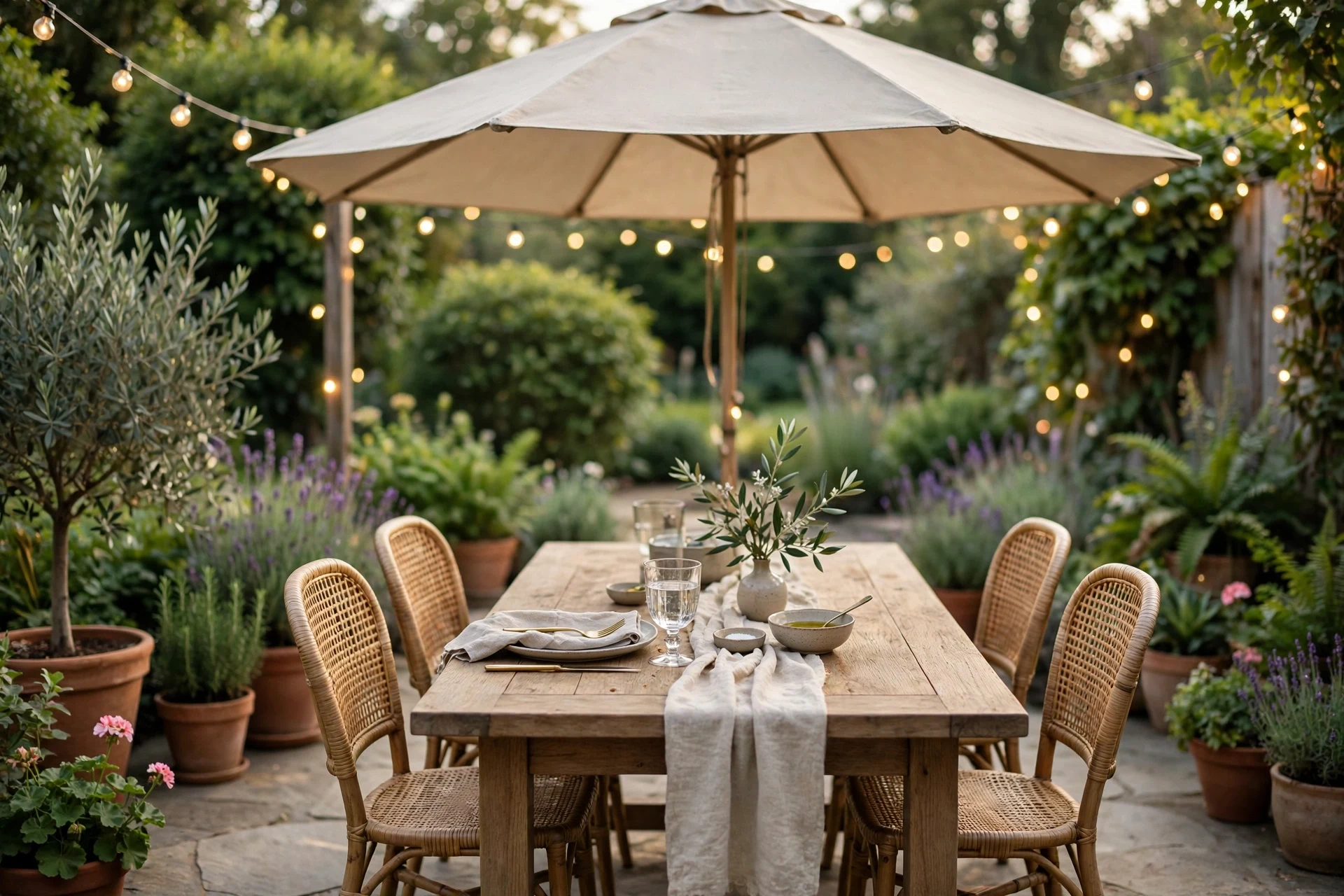
15. Create an Outdoor Dining Area
An outdoor dining area gives the yard a purpose. A simple table and chairs on the patio or the gravel area, with a shade umbrella and a few potted plants nearby, turns the backyard into a second dining room. Choose weatherproof furniture that can stay outside, and add outdoor cushions in a colour that matches the planting.
Keep the dining area close to the back door, so carrying food is easy, and add string lights above it for evening meals. A dining area costs as little as 100 dollars for a basic set, and it is the project that gets the yard used every day in summer, not just looked at.
You may also like: Mirror Wall Decor Ideas That Make Your Living Room Feel Bigger and Better
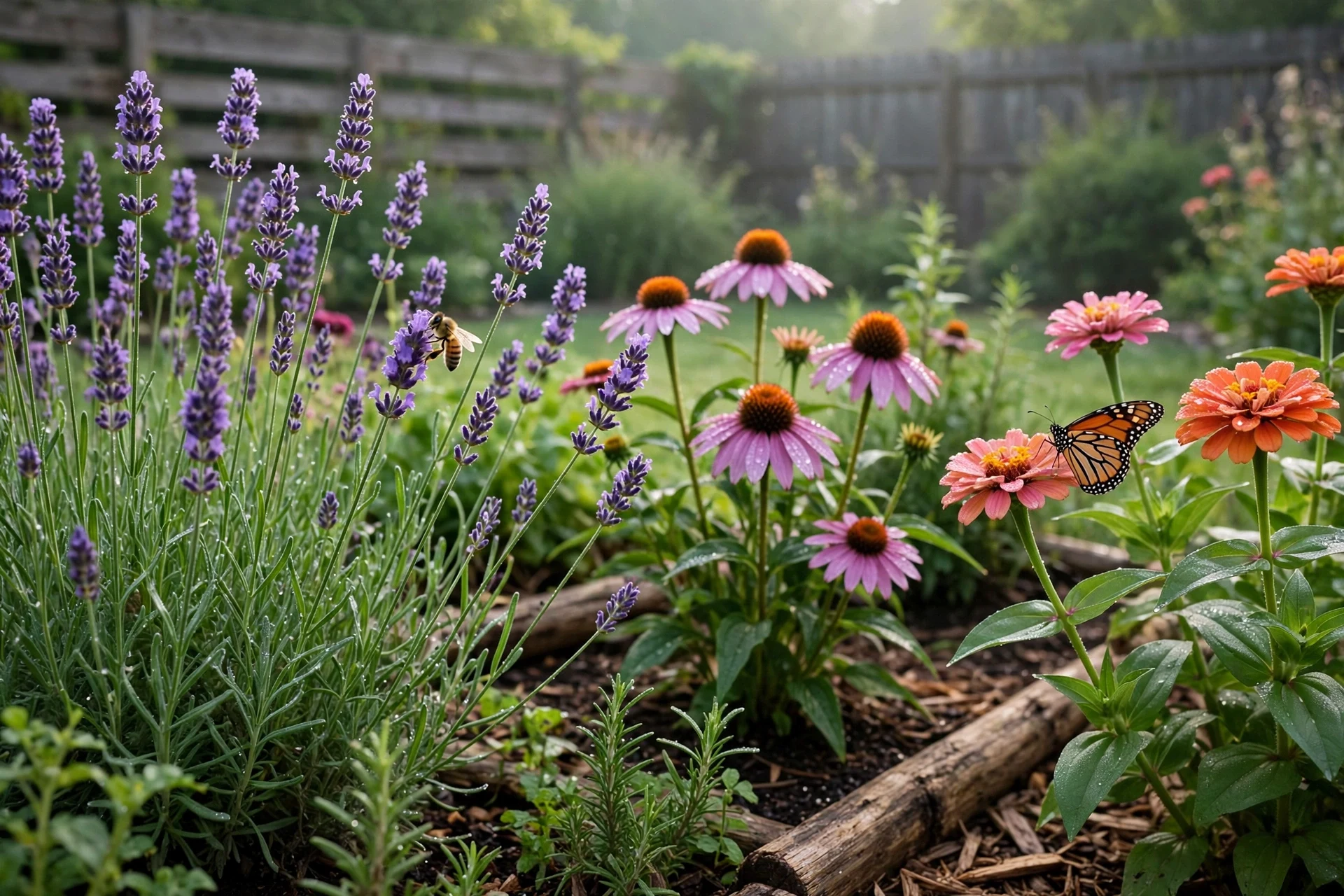
16. Plant a Pollinator Garden
A pollinator garden is a bed planted specifically for bees and butterflies, with flowers that bloom in succession from spring to fall. Plant lavender, coneflower, milkweed, and zinnias together, and skip the pesticides, because the whole point is to welcome insects. The garden will buzz with life all summer, and it needs very little care once established.
Plant in drifts of the same flower rather than one of each, because pollinators prefer a large patch of one flower to a scattered mix. This project costs 30 to 60 dollars for plants, and it takes an afternoon to plant. It is the yard project with the most visible life in it.
You may also like: Living Room Decor Ideas That Feel Cozy and Clean
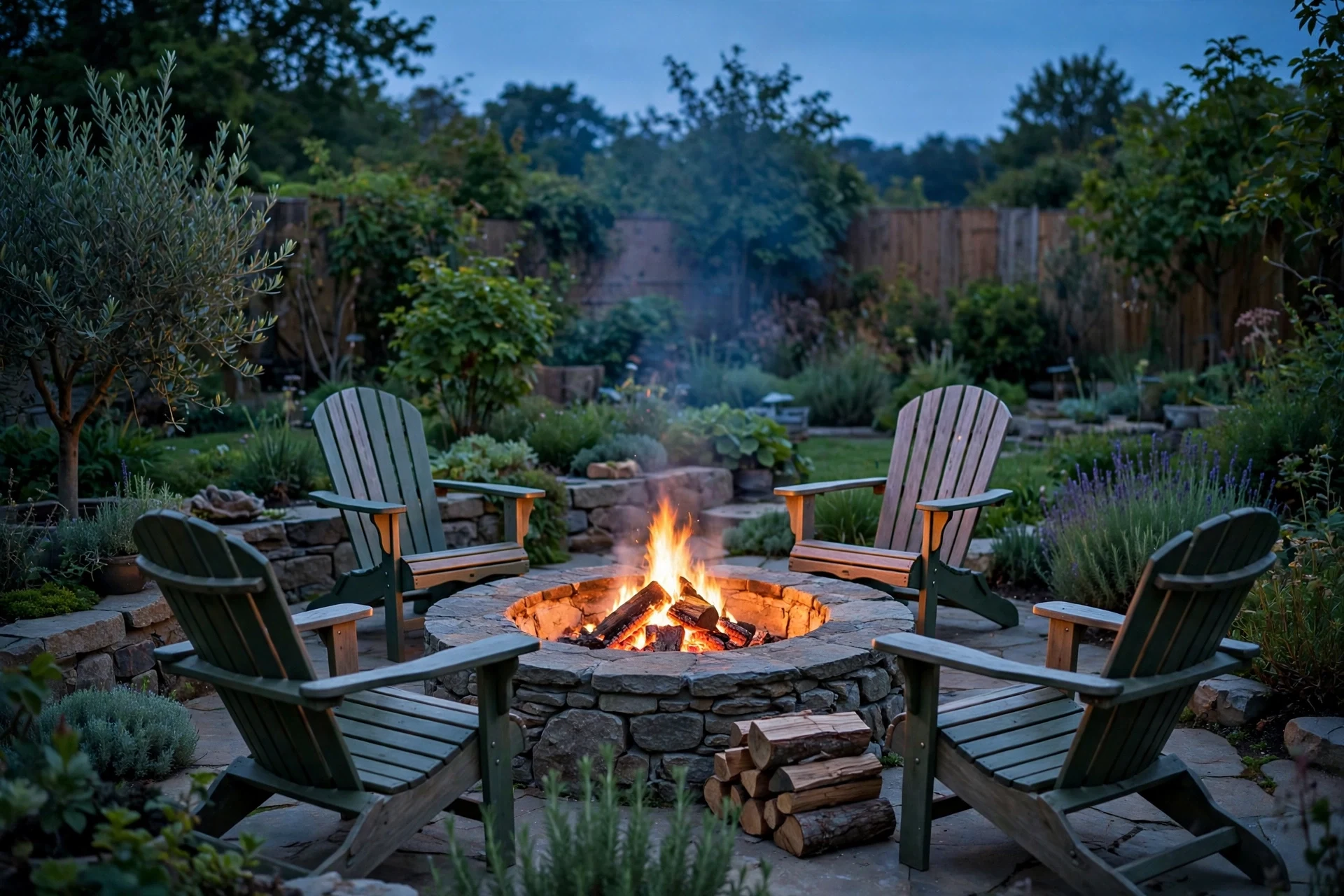
17. Build a Fire Pit Area
A fire pit area extends the yard into the evening and into the cooler months. A simple stone ring, a circle of gravel, and four chairs are all you need. Keep the fire pit at least ten feet from the house and the fence, and check local rules before you build one, because some areas restrict open fires.
A metal fire bowl is the easiest option, because it needs no construction and can be moved. Add a stack of firewood nearby and a few outdoor cushions, and the fire pit becomes the gathering spot. This project costs 50 to 200 dollars, and it is the one that gets used most on cool evenings.
You may also like: Cozy Bedroom Ideas That Feel Relaxing
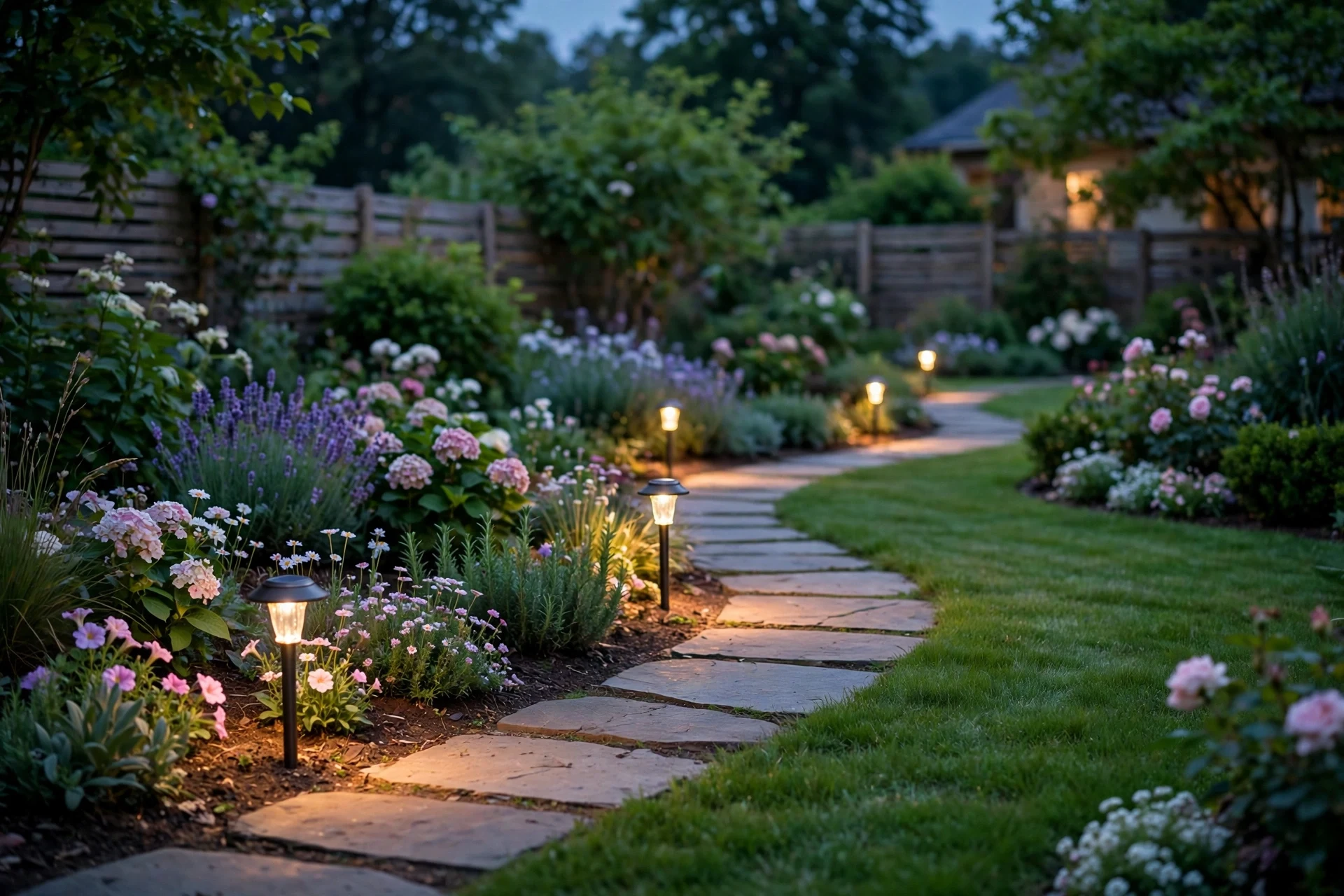
18. Add Solar Path Lights
Solar path lights are the easiest lighting in landscaping, because they need no wiring and no electrician. Push them into the ground along the path or the bed edge, and they charge by day and glow by night. They make the yard safe to walk through after dark, and they make the path visible from the house.
Choose warm white lights and space them about six feet apart, so the light pools overlap gently. Clean the solar panels once a month, because dust blocks the charge. A set of six lights costs 20 to 40 dollars and takes ten minutes to install.
You may also like: Spanish Bathroom Ideas That Feel Warm, Rustic, and Timeless
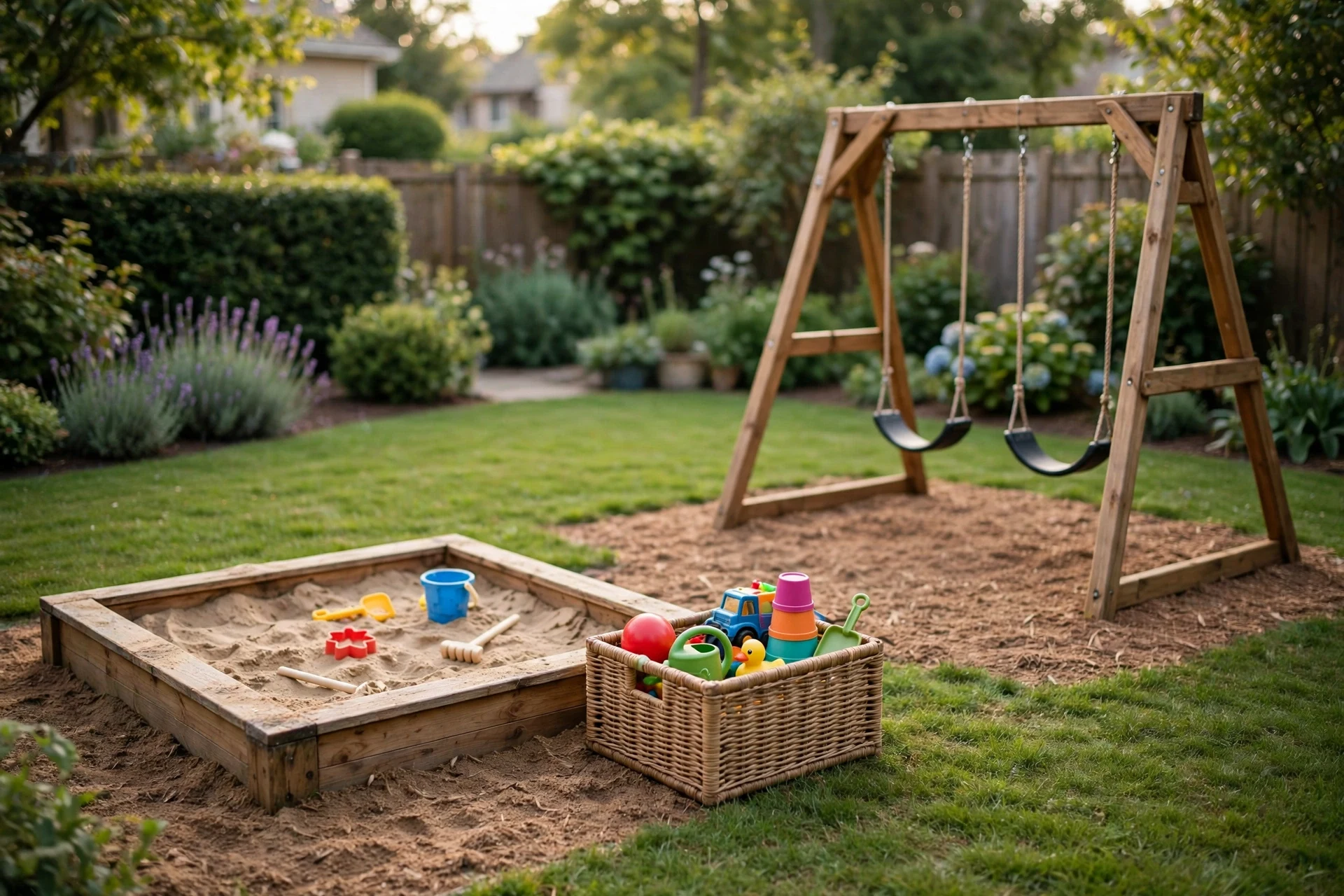
19. Create a Kids Play Corner
A play corner keeps the yard fun for kids without letting toys take over the whole space. Define one area with mulch or sand, add a small swing, a sandbox, or a climbing frame, and keep the rest of the yard for adults. The defined area makes the yard look organized, and the kids get a space that is theirs.
Use soft surfacing under the play equipment, like mulch or rubber mats, and keep the play corner where you can see it from the house. A simple sandbox with a lid costs under 50 dollars and takes an hour to build. This is the project that makes the yard work for the whole family.
You may also like: 7 Easy Desserts Anyone Can Make at Home (No Fancy Skills Needed)
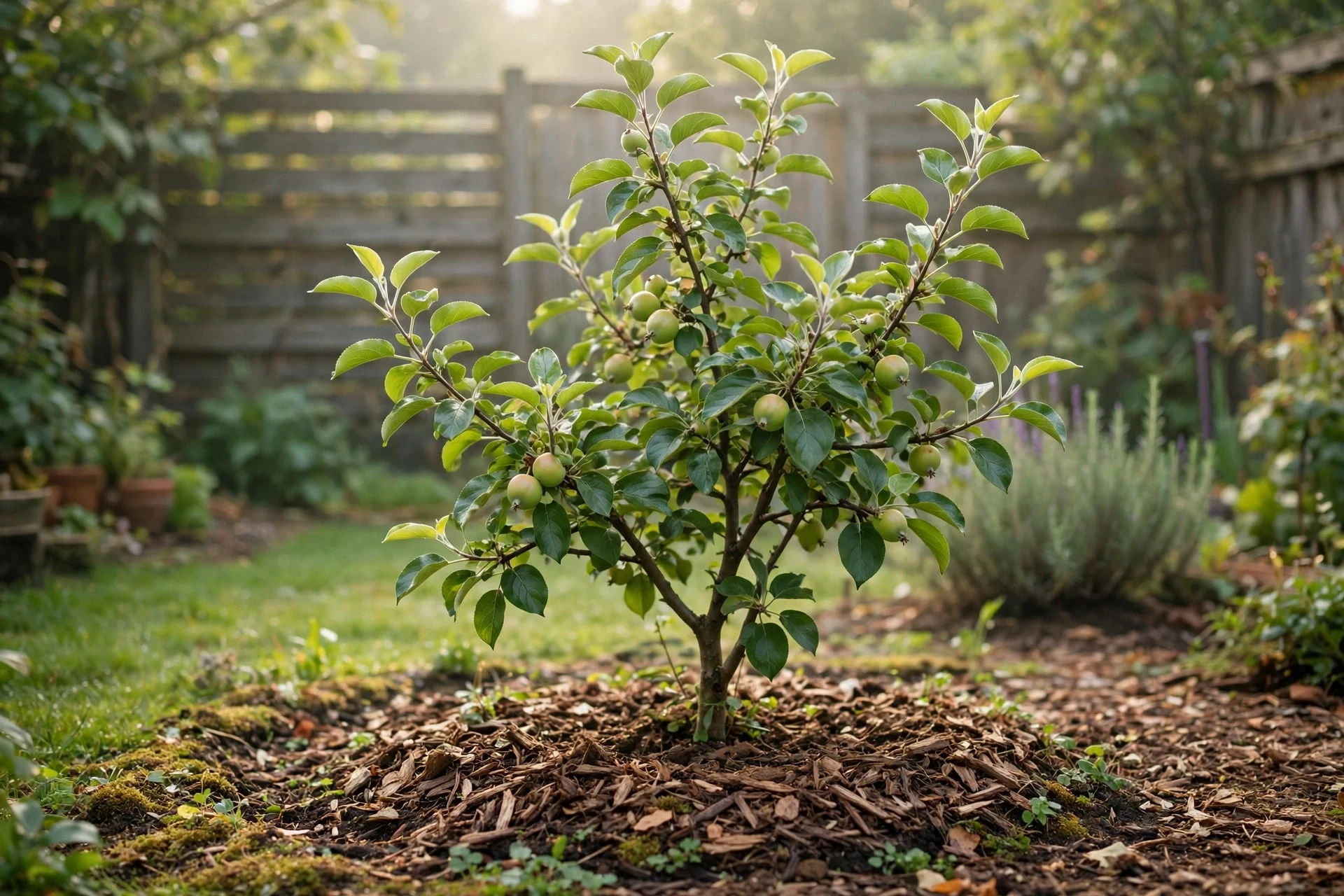
20. Plant a Small Fruit Tree
A small fruit tree is the longest lasting investment in a backyard. A dwarf apple, lemon, or fig tree gives you shade, spring blossom, and fruit, all in one plant. Choose a dwarf variety that fits your yard, plant it in a sunny spot with good drainage, and water it well in the first year.
A fruit tree takes two to three years to produce a real harvest, but it looks good from the first season. Prune it once a year in late winter to keep its shape, and mulch around the base to hold moisture. This is the project that makes the yard feel like a garden rather than a lawn.
You may also like: Wall Decor Ideas That Look Clean and Modern
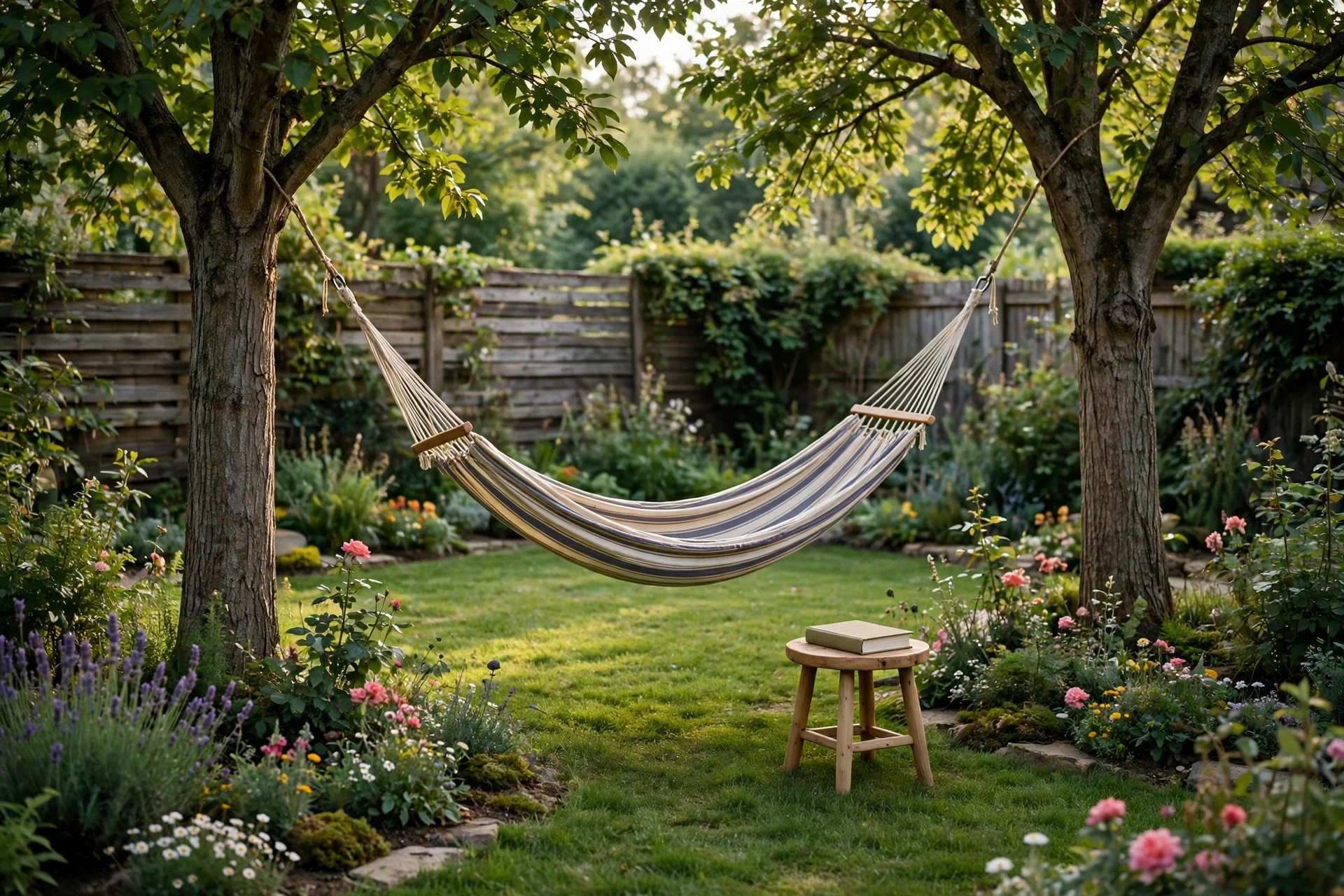
21. Add a Hammock Between Two Trees
A hammock is the simplest luxury in a backyard. Hang it between two sturdy trees, or use a freestanding hammock stand if you have no suitable trees, and you have a reading spot, a nap spot, and a place to watch the clouds. A hammock costs 30 to 80 dollars and takes ten minutes to hang.
Check that the trees are healthy and the straps are rated for your weight, and hang the hammock with a slight sag so it cradles you rather than pulling tight. Add a small side table for a book and a drink, and the hammock becomes the most used spot in the yard. This is the project that reminds you the yard is for relaxing, not just for work.
You may also like: Cozy Studio Apartment Ideas That Make Small Spaces Feel Bigger and Warmer
The 1-2-3 Backyard Landscaping Method
If you remember nothing else from this guide, remember these three steps.
1
Observe and sketch.
Spend one afternoon watching the yard, noting sun, shade, water, and where you walk. Sketch it on paper, set a budget, and look up your hardiness zone. Do not buy anything until the sketch is done, because the sketch stops you from buying the wrong plants.
2
Build structure first.
Start with one structural project, a path, a raised bed, edging, or a patio. Structure gives the yard its shape and makes every later project look better. Finish one structural project before you start the next one, so the yard never looks half done.
3
Plant low maintenance, then add colour.
Plant native perennials and drought tolerant shrubs first, because they need the least care. Then add annuals like marigolds and zinnias for instant colour, and a few potted plants for flexibility. Water new plants well in the first year, mulch everything, and let the yard settle before you add more.
At a Glance
| Idea | Cost | Time | Best for |
|---|---|---|---|
| 1. Gravel Path | $50-100 | 3-4 hrs | Structure |
| 2. Fresh Mulch | $15-50 | 1 hr | Instant refresh |
| 3. Raised Garden Bed | $50-100 | 2 hrs | Growing food |
| 4. Potted Plant Cluster | $30-50 | 45 min | Instant colour |
| 5. String Lights | $20-40 | 30 min | Evenings |
| 6. Native Plant Cluster | $30-60 | 1 afternoon | Low maintenance |
| 7. Rock Garden | $50-100 | 1 weekend | Dry corners |
| 8. Stepping Stone Path | $20-50 | 2-3 hrs | Natural yards |
| 9. Pergola for Shade | $200-500 | 1 weekend | Outdoor rooms |
| 10. Simple Edging | $20-40 | 1 hr | Professional look |
| 11. Pallet Vertical Garden | $0-30 | 2 hrs | Small yards |
| 12. Gravel Patio | $100-300 | 1 day | Outdoor living |
| 13. Privacy Hedge | $100-300 | 1 day | Privacy |
| 14. Small Water Feature | $30-60 | 30 min | Calm |
| 15. Outdoor Dining Area | $100-300 | 1 day | Entertaining |
| 16. Pollinator Garden | $30-60 | 1 afternoon | Wildlife |
| 17. Fire Pit Area | $50-200 | 1 day | Cool evenings |
| 18. Solar Path Lights | $20-40 | 10 min | Safety |
| 19. Kids Play Corner | $30-100 | 2 hrs | Families |
| 20. Small Fruit Tree | $30-80 | 1 hr | Long term |
| 21. Hammock | $30-80 | 10 min | Relaxing |
Do This, Not That
| Do This | Not That |
|---|---|
| Observe sun, shade, and water for a day before you buy anything | Buy plants at random because they look pretty at the nursery |
| Sketch the yard on paper and set a budget first | Start digging with no plan and no budget |
| Build structure first, then add plants | Plant everywhere with no path, patio, or edge to hold it together |
| Choose native plants and perennials for low maintenance | Fill the yard with thirsty annuals that need constant care |
| Group the same plant in odd numbers for a designed look | Plant one of everything scattered around the yard |
| Mulch every bed to hold moisture and stop weeds | Leave soil bare so it dries out and weeds take over |
| Water new plants well in the first year | Plant and forget, then wonder why half the plants died |
| Finish one project before you start the next | Start five projects at once and finish none of them |
| Use warm white lights and put them on a timer | Use bright white lights that make the yard look like a car park |
| Check local rules before you build a fire pit | Build a fire pit ten feet from the house with no spark screen |
Your Backyard Landscaping Weekend Plan
If you have one weekend to transform the yard, here is the plan that keeps it simple.
Saturday morning: Observe the yard, sketch it, and make a shopping list. Buy mulch, edging, and the plants for one bed. Refresh the mulch in every bed first, because it makes the whole yard look better in an hour.
Saturday afternoon: Build one structural project, the gravel path or the raised bed. Lay the path or build the bed, fill it, and plant it. Install the edging around the main bed while you are at it.
Sunday morning: Add the potted plant cluster by the seating area, hang the string lights, and push in the solar path lights. Place the outdoor furniture and check the whole yard from the back door, then from the far corner, to see how it reads.
Through the season: Water new plants twice a week for the first month, then once a week. Deadhead flowers, rake the gravel path monthly, and add one new project each month, so the yard improves steadily instead of all at once.
Take It Further
- Keep a sketch of the yard updated, so every new project fits the plan.
- Take a photo of the yard each season, so you can see what actually grows well.
- Start a compost heap, because free compost beats bought fertilizer every time.
- Plant one new perennial each spring, so the yard gets better every year without a big spend.
- Save seeds from zinnias and marigolds, because they grow easily next year for free.
- Add a rain barrel, so you can water the beds without using tap water.
- Grow herbs by the back door, because they are useful and easy to reach.
- Invite a neighbour over for coffee in the yard, because a garden is better when it is shared.
Backyard Landscaping Cheat Sheet
1
Best first step: observe sun, shade, and water for one day, then sketch
2
Best low cost wins: fresh mulch, potted plants, solar lights, edging
3
Best structural project: gravel path or raised bed
4
Best low maintenance plants: native perennials, daylilies, hostas, sedum, lavender
5
Best instant colour: marigolds, zinnias, petunias in pots
6
Watering: twice a week for new plants in the first month
7
Mulch: 2 to 3 inches, kept away from stems and trunks
8
Lighting: warm white string lights and solar path lights on timers
9
Budget rule: set a total spend before visiting the nursery
10
Pace: one project per weekend, finish it before starting the next
Questions People Ask
How can I landscape my backyard affordably on a tight budget?
Focus on high impact, low cost elements: mulch refreshes at about 15 dollars a bag, potted plants from cuttings, and repurposed materials like broken concrete for edging. Prioritize one area at a time instead of trying to fix the whole yard at once. Most of the ideas in this guide cost under 100 dollars, and a small project like a gravel path or a raised bed can be done in a weekend.
What are the easiest plants for beginners to grow?
Start with hardy perennials: daylilies, hostas, and sedum require minimal care once established. For instant colour, use annuals like marigolds or zinnias, which bloom all season with basic watering. Native plants are also a safe choice, because they evolved for your local soil and climate and need less water and feeding than imported plants.
How do I make a small backyard appear larger?
Create visual depth with curved pathways, strategic mirrors, and vertical gardens. Use light colours for furniture and maintain consistent ground cover to avoid breaking the space into small pieces. A curved gravel path, a pallet vertical garden on the fence, and a compact seating area make a small yard feel bigger than it is, because the eye follows the curve instead of stopping at the fence.
What is the easiest DIY landscaping project?
Adding mulch around an existing garden bed is one of the simplest projects, and it takes about an hour. Creating a small potted plant arrangement or a basic gravel path is also easy. Start with one manageable improvement, learn what works in your backyard, and build from there, because a finished small project beats a half finished big one every time.